Off-road tours near São Paulo
Where can I do an off-road 4x4 tour near São Paulo?
Atibaia, roughly 1-1.5 hours from São Paulo in the Serra da Mantiqueira foothills, is the main hub for guided 4x4 off-road tours through Atlantic rainforest terrain, with trips typically running a half or full day and including river crossings and forest trails.
For visitors who want a genuine outdoor adventure activity without committing a full weekend to reach it, Atibaia’s 4x4 off-road tours through Atlantic rainforest terrain are the closest realistic option to São Paulo, roughly 1-1.5 hours from the city in the foothills of the Serra da Mantiqueira. This guide covers what a typical off-road day involves, how it compares to São Paulo’s other adventure-sport options, and honest notes on fitness level and what to expect from the terrain, so you can decide whether it fits your itinerary and physical comfort before booking.
| Where | Atibaia and surrounding Atlantic rainforest terrain, ~1-1.5 hours from São Paulo |
| Cost | Half-day tours from R$300-450; full-day from R$450-650 per person |
| Time needed | Half a day minimum; a full day for the more complete route |
| Getting there | Car (self-driven or with the tour operator); no meaningful public transport option |
| Best time | April-October for drier trail conditions; expect mud and higher water crossings in summer |
What an off-road tour actually involves
the full-day 4x4 off-road adventure in the Atlantic rainforest from São Paulo runs guided routes through a mix of forest trails, river crossings and elevation changes in the hills around Atibaia, typically using specially equipped 4x4 vehicles with an experienced local driver-guide rather than self-driven rentals — a meaningful difference from off-road experiences in some other countries, where self-driving is more common. Passengers ride along rather than drive, which makes this accessible to visitors without any off-road driving experience of their own, while still delivering the bumps, splashes and genuine forest immersion that makes the activity appealing. Routes typically include stops at waterfalls or scenic viewpoints along the way, breaking up the driving with short walks and photo opportunities that give everyone a chance to stretch and take in the surrounding rainforest at a slower pace.
Terrain and what to expect physically
The terrain covered on a typical Atibaia off-road route ranges from graded dirt roads to genuinely rough, rutted forest tracks and shallow river crossings, and while passengers don’t need particular fitness or off-road experience, the ride itself is bumpy enough that anyone with back or neck issues should mention this to the operator before booking, since some routes are considerably rougher than others. Waterproof or quick-dry clothing is worth wearing given the river crossings, and closed shoes are essential — sandals aren’t appropriate for the rough terrain or the brief walking stops along the route. Children are generally welcome on standard routes, though some operators offer separate, gentler itineraries specifically for families with younger kids.
Half-day vs full-day options
Half-day tours, typically running 3-4 hours, cover a shorter loop and suit visitors who want a taste of the experience without dedicating an entire day, running roughly R$300-450 per person, generally including a shorter, more concentrated version of the day’s main highlights. Full-day tours, running 6-8 hours including a lunch stop, cover considerably more ground and typically include a wider variety of terrain and scenic stops, priced around R$450-650 per person and generally including the lunch stop described further down this guide. For visitors coming from São Paulo specifically for this activity, the full-day option makes more sense given the 1-1.5 hour drive each way — a half-day tour means a disproportionate amount of the day spent on transport relative to actual off-road time.
| Half-day | Full-day | |
|---|---|---|
| Duration | 3-4 hours | 6-8 hours including lunch |
| Price | R$300-450 | R$450-650 |
| Coverage | Shorter loop | Full route, more varied terrain |
| Best for | A quick taste of the activity | Making the most of the drive from São Paulo |
How this compares to São Paulo’s other adventure options
Atibaia’s off-road tours sit in a useful middle ground within São Paulo’s broader adventure-sports landscape: closer and less physically demanding than Brotas’ rafting and canyoning, which requires a 3.5-4 hour drive and a genuine weekend commitment, but more immersive and adrenaline-focused than a standard Cantareira park guided rainforest hike within the city’s own metropolitan boundary — a genuine middle-ground option between a gentle city-park walk and a full weekend adventure trip. It’s a reasonable single-day adventure activity for visitors who want something more active than standard sightseeing but don’t have a full weekend free for Brotas, and it works well as a genuine, self-contained day trip rather than requiring an overnight stay away from São Paulo.
Why Atibaia specifically
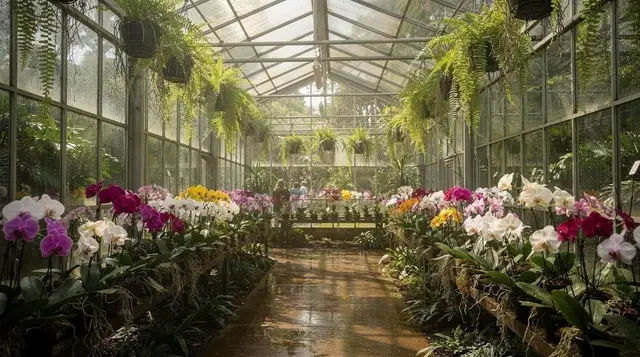
Atibaia sits in the foothills of the Serra da Mantiqueira, the same mountain range that continues on to Campos do Jordão further north, and this transitional terrain between São Paulo’s metropolitan sprawl and the more rugged interior mountains is what gives the area its genuine mix of Atlantic rainforest, elevation change and river systems suited to off-road routes. The town itself has a longer-standing reputation within São Paulo state as a weekend escape for city residents, historically known for its orchid farms, hydrangea festival, and a cooler microclimate than the city thanks to its higher elevation, and the off-road tourism industry has grown alongside this existing weekend-getaway culture rather than being built from scratch purely for adventure tourism. This context is worth knowing if you have extra time — Atibaia has more to offer than just the off-road route if you want to extend a day trip.
Photography and what you’ll see along the route
Beyond the driving itself, most routes include stops at at least one or two waterfalls, plus scenic overlooks across the forested valleys typical of this transitional zone between the coastal lowlands and the interior plateau. Bring a phone or camera in a protective case or dry bag given the splashing involved in river crossings — this isn’t a gentle scenic drive, and equipment left loose or unprotected risks water damage during the bumpier sections. Wildlife sightings aren’t guaranteed but aren’t unusual either, given how much of the route passes through genuine forest rather than cleared agricultural land — birds and smaller mammals are the most commonly reported sightings, with anything larger being a rarer bonus rather than an expectation.
Food and rest stops
Full-day tours typically include a lunch stop, often at a rustic countryside restaurant or a prepared picnic-style meal partway through the route, giving a break from the vehicle and a chance to properly stretch before the afternoon leg. Confirm with your specific operator whether lunch is included in the base price or an optional add-on, since practices vary, and mention any dietary restrictions in advance — options in more rural stops along the route tend to be more limited than what you’d find in central São Paulo. Water is generally provided or should be brought along given how physically involved the day can feel despite not requiring active exertion from participants themselves.
Getting to Atibaia
Atibaia sits roughly 65km from São Paulo, generally 1-1.5 hours by car via the Fernão Dias highway, though this stretches noticeably during rush hour (7-10am, 5-8pm) or holiday weekends, when traffic on routes heading toward the Minas Gerais border gets genuinely congested. There’s no practical public transport route that makes sense for this specific activity given the tour’s own transport and pickup arrangements — most operators either include pickup from São Paulo as part of the booking or expect participants to arrive by car, so confirm which applies before booking if you don’t have your own transport arranged for the trip.
Booking and choosing between operators
Several operators run off-road tours out of Atibaia, and it’s worth comparing route length, included stops and group size before booking rather than assuming all tours are interchangeable — some run larger group convoys of several vehicles together, while others operate smaller, more personalised groups that can feel less rushed at each stop. Travellers who’d rather skip a shared convoy altogether can look at a private full-day 4x4 run out to the Nazaré Paulista reservoir in the Cantareira system, with hotel pickup and a maximum of six people, which keeps the group to your own party rather than mixing with other bookings.
Reading recent reviews for vehicle condition and guide experience is a reasonable step given how much the quality of the day depends on both the specific route taken and the driver-guide’s local knowledge and communication, particularly for English-speaking visitors who’ll want a guide comfortable narrating the route and pointing out points of interest along the way. Booking a day or two ahead is usually sufficient outside peak weekend and holiday periods.
What to pack for the day
Beyond quick-dry clothing and closed shoes already mentioned, sunscreen and insect repellent are worth having given the amount of time spent outdoors in forest terrain. A change of clothes for the drive back to São Paulo is a reasonable precaution, since getting genuinely muddy or wet during river crossings is a normal, expected part of the experience rather than a sign anything went wrong. Motion sensitivity is worth considering too — the ride itself, while not extreme, involves enough bouncing and lateral movement over rough terrain that anyone prone to motion sickness should sit toward the front of the vehicle if given the choice, and consider a standard remedy beforehand if concerned.
Season and trail conditions
April through October generally offers drier trail conditions, meaning less mud and more predictable, if slightly tamer, river crossings. November through March, the Southern Hemisphere summer and the wetter part of the year, brings higher water levels at river crossings and muddier, more challenging trail sections — some operators consider this the more exciting season for the activity, while others occasionally adjust or shorten routes if conditions become genuinely unsafe after heavy rain. Either way, a certain amount of mud and splashing is part of the standard experience regardless of season, and clothing you don’t mind getting dirty is a sensible default whichever season you visit in.
Who this activity suits best
Off-road touring near São Paulo suits travellers who want a genuinely active, outdoors-focused day without the logistical commitment of a multi-day adventure trip further afield. It works well for families with older children who’ll enjoy the bumps and splashes without needing the physical stamina rafting or hiking demands, for couples looking for something different from a standard sightseeing day, and for solo travellers who want a guided, low-effort way to experience genuine Atlantic rainforest terrain without planning a hike themselves. It’s less suited to travellers specifically seeking a physically demanding challenge, or anyone hoping for a self-driven off-road experience rather than a guided ride-along — for either of those, other adventure options covered elsewhere on this site are a better match for what you’re looking for.
What happens if it rains on your booked day
Rain doesn’t automatically cancel an off-road tour the way it would a hiking trip or a beach day — a certain amount of mud and water is already part of the standard experience, and light-to-moderate rain generally just intensifies what the day already involves rather than ruling it out. Genuinely heavy rain is a different matter: some operators shorten or reroute a trip if river levels rise enough to make a crossing unsafe rather than just splashy, and a small number of trails become impassable after sustained downpours during the November-March wet season specifically. Confirm your specific operator’s weather policy before booking during the wetter months, including whether a rained-out day is rescheduled, partially refunded, or run as planned with an adjusted route — practices vary enough between operators that it’s worth asking directly rather than assuming.
Comparing Atibaia against a São Roque wine day
For visitors weighing an active outdoor day against a more relaxed alternative in the same general direction from São Paulo, it’s worth knowing these two don’t compete for the same traveller. The São Roque wine route tasting sits roughly the same distance from the city but delivers a completely different pace — vineyard visits, tastings and a leisurely lunch rather than river crossings and forest trails. Couples or groups split between someone wanting adventure and someone wanting a calmer day sometimes struggle to pick one over the other; in that situation, Atibaia in the morning followed by a slower afternoon back in the city tends to work better than trying to force both into a single exhausting day trip. See the São Roque wine route guide for the fuller comparison.
Frequently asked questions about off-road tours near São Paulo
How far is Atibaia from São Paulo?
Roughly 65km, generally 1-1.5 hours by car outside rush hour and holiday traffic.
Do I need off-road driving experience?
No — tours are guided, with an experienced local driver handling the vehicle; passengers ride along rather than drive themselves.
Is off-road touring suitable for children?
Generally yes on standard routes, and some operators offer gentler family-specific itineraries — check directly with your chosen operator for age recommendations.
What should I wear for an off-road tour?
Quick-dry or waterproof clothing given the river crossings, closed shoes (not sandals), and clothing you don’t mind getting muddy.
Is a half-day or full-day tour better?
Full-day makes more sense for visitors travelling from São Paulo specifically for this activity, since it makes better use of the 1-1.5 hour drive each way.
How does this compare to Brotas’ rafting and canyoning?
Atibaia is closer and works as a genuine day trip, while Brotas is further (3.5-4 hours) and requires at least an overnight — Atibaia suits a single-day adventure, Brotas a dedicated weekend.
Is off-road touring safe?
Yes with an established operator and experienced guide — the vehicles and routes are designed for guided tourism use, though the ride is genuinely bumpy and not suited to anyone with back or neck conditions without checking first.
Is lunch included on a full-day tour?
Often, but not always — confirm with your specific operator whether lunch is part of the base price or an optional add-on, and mention any dietary restrictions ahead of time.
Are there other activities in Atibaia besides off-road touring?
Yes — the town is a long-standing weekend getaway for São Paulo residents, known for orchid farms, a hydrangea festival, and a cooler microclimate given its higher elevation in the Serra da Mantiqueira foothills.
Can I drive myself off-road in Atibaia instead of joining a guided tour?
Guided tours with an experienced local driver are the standard and recommended approach — self-drive off-road rental isn’t a common or well-supported option in this area the way it might be elsewhere.
Fitting an off-road tour into your trip
A full-day Atibaia off-road tour works well as a standalone adventure day within a five-day São Paulo itinerary or seven-day São Paulo and the coast itinerary, offering a change of pace from city sightseeing or beach time. For travellers who want to compare it against other adventure-sport options before deciding, see the rafting and adventure in Brotas guide and the hiking near São Paulo guide for the fuller range of what’s available within a reasonable distance of the city, and the Atibaia destination guide if you want to extend the day with the town’s other attractions.
Adventure tours & activities in São Paulo on GetYourGuide
Verified deep-linked GetYourGuide tours. Book through these links and we earn a small commission at no cost to you.
These are our own photographs of São Paulo, not the operator's pictures of this tour — open the tour page to see those.