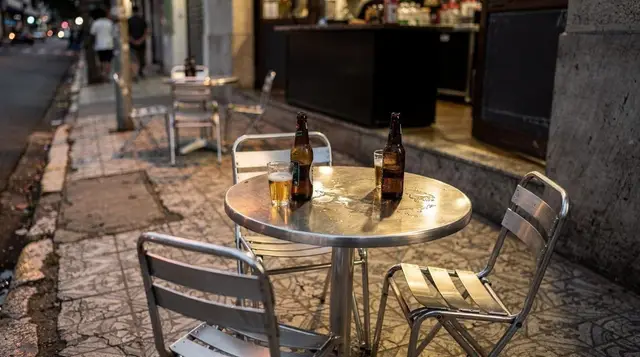
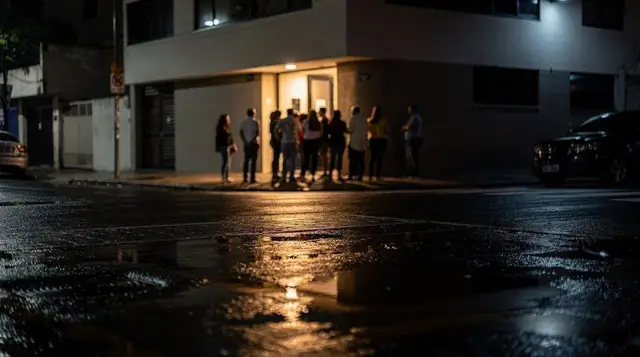
LGBTQ+ nightlife in São Paulo
Where is São Paulo's main LGBTQ+ nightlife district?
Rua Frei Caneca and the surrounding blocks near Consolação, on the edge of Jardins and centro, hold the highest concentration of LGBTQ+ bars and clubs. Vila Madalena and Pinheiros have a strong, mixed and generally welcoming scene too, without being a dedicated 'gay district' in the same way.
São Paulo has one of the largest and longest-running LGBTQ+ scenes in Latin America, anchored by an annual Parada do Orgulho LGBT+ that regularly draws millions to Avenida Paulista, making it the largest pride event in the world. Outside that single weekend in June, the scene lives year-round around Rua Frei Caneca and Consolação, with a second, more mixed presence woven through Vila Madalena and Pinheiros. This guide covers where things actually happen, what to expect walking in, and how the scene compares across neighbourhoods.
| Where | Rua Frei Caneca / Consolação (dedicated scene), Vila Madalena and Pinheiros (mixed) |
| Cost | R$20–60 (US$4–12) cover at clubs, standard bar prices elsewhere |
| Time needed | An evening, or the full weekend around Parada in June |
| Getting there | Consolação or Vila Madalena metro stations on the yellow line |
| Best time | Thursday–Saturday nights; June for Parada |
Rua Frei Caneca and the Consolação strip
This stretch, running along Rua Frei Caneca and spilling into nearby streets, is São Paulo’s closest equivalent to a dedicated gay district — bars, clubs and a mall (Shopping Frei Caneca) with an unusually LGBTQ+-oriented food court all cluster here. It’s dense, walkable, and busiest from Thursday through Saturday nights, with a noticeably older and more low-key crowd early in the evening that shifts later as the clubs pick up. Consolação metro station puts you directly in the middle of it, which makes this the easiest part of the scene to reach without a car or rideshare.
Vila Madalena and Pinheiros: mixed but welcoming
Rather than a separate LGBTQ+ zone, Vila Madalena and Pinheiros integrate queer nightlife into a broader, generally progressive bar scene — many venues here aren’t exclusively LGBTQ+ but are consistently welcoming, and several specifically cater to a queer crowd without being labelled as such in the same overt way as the Frei Caneca strip. This is covered in more general terms in the guide to bars in Vila Madalena and the Vila Madalena destination page.
Frei Caneca versus Vila Madalena
| Rua Frei Caneca / Consolação | Vila Madalena / Pinheiros | |
|---|---|---|
| Character | Dedicated LGBTQ+ scene, clubs and bars | Mixed, progressive, queer-friendly throughout |
| Crowd | Skews slightly older, more local | Younger, more mixed international crowd |
| Best for | Clubbing, a concentrated night out | Bar-hopping, more casual evenings |
| Getting there | Consolação metro (yellow line) | Vila Madalena / Fradique Coutinho metro |
Parada do Orgulho LGBT+
Held annually in June along Avenida Paulista, São Paulo’s pride parade is the largest in the world by attendance, drawing crowds in the millions along one of the city’s main avenues, closed to traffic for the day. It’s less a single march than an all-day street party with sound trucks (trios elétricos), stages and a genuinely citywide atmosphere — arrive early if you want to actually move through the crowd rather than stand in one spot. Full seasonal context, including how this fits with the rest of São Paulo’s event calendar, is in the best time to visit São Paulo guide.
A brief history of the scene
São Paulo’s LGBTQ+ nightlife scene has roots going back decades, with Rua Frei Caneca’s transformation into a dedicated commercial and social district accelerating through the 1990s and 2000s as bars and clubs consolidated around what had already become an informally recognised meeting point. The city’s Parada do Orgulho LGBT+ began in 1997 with a modest turnout and grew, within roughly a decade, into the largest pride event in the world by attendance — a trajectory that mirrors São Paulo’s broader emergence as one of Latin America’s most significant LGBTQ+ cultural centres. That history matters for understanding why the scene here feels as established and mainstream as it does compared to more recently developed scenes elsewhere in the region — this isn’t a niche subculture operating on the margins, it’s a substantial, visible and economically significant part of the city’s nightlife.
Specific venues and what to expect
Within the Frei Caneca strip, venues range from long-running institutions with a mixed-age, mixed-gender queer crowd to newer clubs leaning toward a younger, more dance-focused scene, plus a scattering of quieter bars better suited to conversation than dancing. Shopping Frei Caneca itself, the mall anchoring the strip, has cultivated a notably LGBTQ+-friendly reputation among São Paulo’s shopping centres, worth knowing if you want a daytime, non-nightlife anchor point in the same area. Cover charges at the dedicated clubs typically run R$20–60 depending on the night and whether there’s a live show or DJ set, with many venues offering discounted or free entry before a certain hour — arriving earlier in the evening is a reliable way to reduce cost if budget matters.
Trans and non-binary visibility
São Paulo’s scene is notably strong on trans visibility specifically — the city has one of the largest trans populations in the world and a nightlife scene that reflects this, with dedicated events, drag and trans performance nights featured regularly at several Frei Caneca venues. This is worth seeking out specifically if it’s of interest, since it’s a genuine strength of the scene here relative to many other major cities, rather than an afterthought within a broader LGBTQ+ nightlife offering.
Safety notes, honestly
São Paulo’s dedicated LGBTQ+ venues are well established and generally safe, with visible security at the busier clubs. The broader city-wide safety advice still applies outside these specific pockets — avoid displaying valuables, use rideshare rather than walking long distances late at night, and be more cautious in less central or less well-lit areas after dark. This isn’t unique to LGBTQ+ travellers; it’s the standard advice covered in going out safely in São Paulo and is São Paulo safe: an honest answer.
A guided introduction
For a first night, a guided option like the São Paulo city highlights and LGBTQIA+ scene private tour combines general orientation with an introduction to the scene specifically, which is a reasonable way to get context before heading out independently. The broader nightlife tour in São Paulo covers a wider slice of the city’s evening scene if you want general orientation rather than an LGBTQ+-specific focus. If bar-hopping with a group appeals more than a single guided orientation, an LGBTQIA+ pub crawl through the scene moves you between several Frei Caneca venues in one organised night out.
Where to stay for easy access to the scene
Jardins and Consolação are the most convenient bases if the Frei Caneca strip is a priority — both sit within a short walk or brief rideshare of the main venues, and both offer a reasonable range of accommodation from mid-range to upscale. Vila Madalena and Pinheiros work well if you’re prioritising the mixed bar scene over dedicated LGBTQ+ venues specifically, with the added benefit of being a strong base for daytime sightseeing and street art too. Full detail on choosing a base neighbourhood generally is in where to stay in São Paulo.
Comparing São Paulo’s scene to other Brazilian cities
São Paulo and Rio de Janeiro both have substantial, well-established LGBTQ+ scenes, though they differ in character — Rio’s is more closely tied to its beach culture, with a famous rainbow flag section of Ipanema beach, while São Paulo’s is more nightlife and bar-district focused, centred on Frei Caneca rather than a beachfront zone the city doesn’t really have. Neither is objectively better; the choice comes down to whether beach-adjacent daytime scene or a concentrated nightlife district matters more to your trip. The broader city comparison is covered in São Paulo vs Rio de Janeiro.
The ballroom and drag scene beyond the main strip
Underneath the more visible bar-and-club scene on Frei Caneca, São Paulo has developed a genuinely significant ballroom and drag culture, with houses (casas) competing in vogue and ballroom-style events that draw on the same tradition as New York’s ballroom scene, adapted into a distinctly Brazilian and Portuguese-speaking context. These events run on their own separate calendar from the regular weekend club nights, often at smaller, rotating venues rather than the fixed addresses along the main strip, and tend to skew toward a younger, more scene-connected crowd than a first-time visitor’s typical night out.
Drag performance more broadly is well established across several Frei Caneca venues on a regular schedule rather than as an occasional special event, reflecting how mainstream the art form has become within Brazilian queer nightlife specifically compared to some other major cities. If this specific subculture interests you beyond a standard night out, checking event listings closer to your travel dates is worth the effort, since the ballroom scene in particular doesn’t run on a fixed weekly schedule the way the main club venues do.
Legal context: why the scene feels this established
Part of why São Paulo’s LGBTQ+ nightlife reads as mainstream rather than underground has a legal backstory worth knowing. Brazil’s national courts recognised same-sex marriage nationwide in 2013, ahead of many other countries in the Americas, and in 2019 the country’s supreme court extended existing hate-crime protections to explicitly cover homophobia and transphobia, criminalising discrimination on those grounds under the same legal framework used for racism. Neither ruling erased social conservatism in parts of Brazilian society, and the honest caveat elsewhere in this guide about reading the room outside the most visibly progressive pockets still holds. But that legal foundation is a real part of why São Paulo’s scene operates with the confidence and visibility it does — it isn’t functioning in a legal grey area the way LGBTQ+ nightlife does in a number of other countries visitors might be comparing it to.
Nightlife hours: when the scene actually gets going
Brazilian club culture runs later than what visitors from North America or northern Europe typically expect, and Frei Caneca’s venues follow that same rhythm. Bars fill gradually from around 10pm, but the clubs proper don’t hit their real peak until well after midnight, often 1am to 2am, with several venues running until sunrise on Friday and Saturday nights. Showing up at 10pm expecting a full dance floor will mean an emptier room than the venue’s reputation suggests — treat an early evening as a warm-up at a quieter bar, and plan the club portion of the night for considerably later than you might at home. This later rhythm is also why rideshare rather than walking matters more as the night goes on: the streets around Consolação are busy and well-lit early in the evening but thin out in the small hours even as the venues themselves stay full.
Daytime LGBTQ+ spaces beyond nightlife
The scene here isn’t confined to after dark, and it’s worth knowing about a few daytime spaces if nightlife alone doesn’t cover what you’re looking for. Consolação and the streets around Frei Caneca hold a small cluster of LGBTQ+-owned or explicitly welcoming cafés and bookshops that function as low-key daytime gathering points, distinct from the club scene that dominates this guide’s coverage of the same few blocks after dark. Centro Cultural São Paulo, a public cultural centre not far from Paulista, regularly hosts queer film screenings, exhibitions and discussion events as part of its broader programming, worth checking if your visit overlaps with a specific listing. None of this replaces the nightlife strip as the headline reason to build an evening around this part of the city, but it rounds out a fuller picture for visitors who want more than bars and clubs to engage with the scene.
How the scene has grown since the 2000s
São Paulo’s LGBTQ+ nightlife infrastructure looked considerably smaller and more scattered as recently as the early 2000s, before the concentration of venues along Frei Caneca solidified into the dense, walkable strip described throughout this guide. Growth accelerated through the 2000s and 2010s alongside the broader legal and social shifts covered above, with venues consolidating, investing in better production values, and increasingly marketing directly to international visitors rather than relying purely on local word of mouth.
That trajectory mirrors what’s happened in a number of major Latin American cities over the same period, but São Paulo’s scale — simply having more people, more disposable income concentrated in specific districts, and a much larger metropolitan population to draw from — let its version grow larger and more commercially sustainable than most regional comparisons. Understanding this recent growth trajectory is part of why the scene here feels less like a handful of long-running institutions and more like an actively expanding, still-evolving nightlife economy.
Frequently asked questions about LGBTQ+ nightlife in São Paulo
Is São Paulo generally LGBTQ+-friendly?
Within its established nightlife areas and progressive neighbourhoods, yes, notably so — it’s often cited as one of Latin America’s most LGBTQ+-friendly major cities. Attitudes are less uniform outside those pockets, as in most large cities.
When is Parada do Orgulho LGBT+?
Typically in June, on Avenida Paulista — exact dates shift year to year, so check current listings if timing your trip around it.
Is Rua Frei Caneca safe to walk at night?
Yes, it’s a well-trafficked, well-lit commercial strip with a steady nightlife crowd, though the general rideshare-over-walking-alone advice still applies late at night.
Are there LGBTQ+-specific hotels or areas to stay?
Not in a dedicated sense, but Jardins and Consolação, both near the Frei Caneca strip, are popular and convenient choices — see where to stay in São Paulo.
Is public affection generally accepted?
Within nightlife venues and progressive neighbourhoods, generally yes; more caution is sensible in conservative or less central areas, consistent with general safety guidance for the city.
Does the scene slow down outside of June?
No — Frei Caneca and the Vila Madalena/Pinheiros scene run year-round; June’s Parada is a major peak but far from the only time to experience it.
Are there LGBTQ+ events beyond nightlife worth attending?
Yes — beyond the June parade, São Paulo hosts smaller queer film festivals, art exhibitions and cultural events throughout the year, though these are less consistently scheduled than the established nightlife venues and worth checking current listings closer to your travel dates.
Is it easy to meet people through the scene as a visitor?
Generally yes — São Paulo’s LGBTQ+ nightlife venues tend to be welcoming to visitors, and dedicated apps popular locally can supplement in-person venues if that’s part of what you’re looking for during your stay.
Fitting LGBTQ+ nightlife into your trip
A night on the Frei Caneca strip pairs naturally with a day in nearby Jardins or Consolação — see the guide to Jardins. On a three-day itinerary, it fits well as one dedicated evening alongside a Vila Madalena day for the more mixed bar scene. If your trip lands in June, building a day or two around the city’s major event calendar and Parada specifically is well worth the schedule adjustment.
São Paulo nightlife on GetYourGuide
Verified deep-linked GetYourGuide tours. Book through these links and we earn a small commission at no cost to you.
These are our own photographs of São Paulo, not the operator's pictures of this tour — open the tour page to see those.