Stadium tours in São Paulo
Can you tour São Paulo's football stadiums without going to a match?
Yes — Morumbi, Neo Química Arena (Corinthians) and Allianz Parque (Palmeiras) all offer behind-the-scenes tours on non-matchdays, covering dressing rooms, tunnels, press areas and pitch-side access. It's a solid alternative if your trip dates don't line up with any fixture, and a good add-on even if they do.
Not every trip lines up with a São Paulo football fixture, and even when one does, matchday tickets don’t get you the dressing rooms, tunnels and press facilities that a proper stadium tour does. All three of the capital’s major clubs — Corinthians, Palmeiras and São Paulo FC — run behind-the-scenes tours of their stadiums on non-matchdays, and they’re a genuinely worthwhile activity for anyone with even a passing interest in football, not just die-hard fans. This guide compares the three, covers what you’ll actually see, and explains when a tour makes more sense than trying to catch a live game.
| Stadiums covered | Morumbi (São Paulo FC), Neo Química Arena (Corinthians), Allianz Parque (Palmeiras) |
| Cost | Roughly R$40-90 (~US$8-18) per tour, prices vary by club and package |
| Time needed | 1-1.5 hours per stadium |
| Getting there | All reachable by metro or car within the city; check individual station access |
| Best time | Weekday mornings, avoiding scheduled matchdays or events |
Why a tour is worth it even if you can attend a match
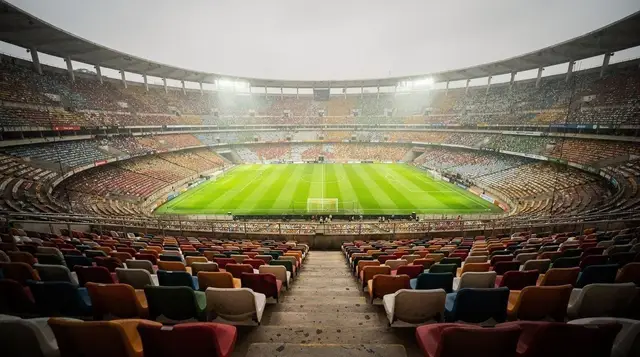
A live match gives you noise, crowd and unpredictability, but stadium access is limited to your seat and the concourse around it — you don’t get near the pitch, the tunnel, or the dressing rooms, and there’s rarely time or space to actually study the architecture and history around you with 40,000 other people doing the same thing. A dedicated tour flips that: quieter, guided, and built specifically to show you the parts of the stadium a normal ticket never reaches, from the players’ tunnel to trophy rooms to, at some venues, pitch-level walks. If you’re building a football-focused visit and can only fit one club experience into your schedule, a tour is a reasonable substitute for a match — but if you can manage both at the same stadium, they complement each other well rather than duplicating the same experience.
Morumbi (São Paulo FC)
Morumbi is São Paulo FC’s traditional home in the wealthier western part of the city, one of Brazil’s largest stadiums by capacity and currently mid-redevelopment as the club modernises the ground and its surrounding precinct. Tours typically cover the players’ tunnel, dressing rooms, press conference room and, depending on current construction status, a walk along the pitch perimeter — check ahead, since redevelopment work can affect which areas are accessible at any given time. a São Paulo FC matchday experience at Morumbi is the live-game version if your dates allow it, and the São Paulo FC guide covers the club and stadium in full depth.
Neo Química Arena (Corinthians)
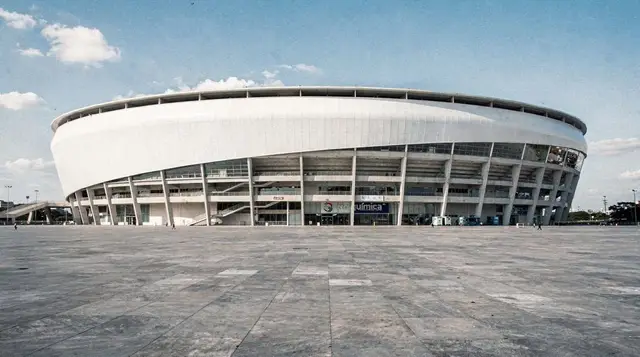
Built for the 2014 World Cup in the eastern Itaquera district, Neo Química Arena is the newest and, by most measures, the loudest of the three grounds on an actual matchday — Corinthians has the largest fan base of any club in the city, and that scale shows in the stadium’s design and atmosphere. Tours here tend to be well-organised and thorough, covering the tunnel, dressing rooms, mixed zone (where players face media after matches) and often a section of the museum-style displays the club maintains inside the stadium complex. a Corinthians matchday experience with ticket, beer and guide is the live alternative, and the Corinthians guide has the full club history and matchday logistics, including the longer trip out to Itaquera from the centre.
Allianz Parque (Palmeiras)
Allianz Parque, in the more central Barra Funda/Água Branca area, is a rebuilt modern stadium on the site of Palmeiras’ historic Palestra Itália ground, and its tour draws heavily on that layered history — Italian-immigrant club origins through to a fully modern multi-purpose arena that also hosts major concerts. Its central location makes it the easiest of the three to combine with other same-day activities, since it doesn’t require the longer trip out to Itaquera or the western reaches near Morumbi. a Palmeiras game experience at Allianz Parque covers the live-match version, and the Palmeiras guide goes deeper on the club’s Italian-immigrant roots and current squad.
| Morumbi (SPFC) | Neo Química Arena (Corinthians) | Allianz Parque (Palmeiras) | |
|---|---|---|---|
| Location | Western São Paulo | Itaquera, eastern São Paulo | Barra Funda, central-west |
| Age | Traditional ground, mid-redevelopment | Newest, built for 2014 World Cup | Rebuilt modern stadium on historic site |
| Distance from centre | Moderate | Furthest | Closest |
| Tour highlight | Tunnel, dressing rooms, pitch access | Mixed zone, club displays | Layered club history, modern facilities |
Booking and what to expect on the day
Tours run on a published schedule that excludes matchdays and event days, so check the current calendar before planning a visit — a scheduled concert or match at any of these multi-purpose venues can bump or cancel a tour slot with little notice. Groups are typically guided in Portuguese with English available on some slots or through a private guided package; confirm language before booking if that matters to you. Wear comfortable shoes — tours involve a reasonable amount of walking across concrete concourses and stairs — and bring ID, since some venues require it for entry given their function as secured sporting facilities. Photography is generally encouraged, including in the tunnel and dressing room areas, which is often the highlight for visiting fans.
Prices and ticket types compared
Expect to pay roughly R$40-90 (~US$8-18) per person for a standard guided tour, with private or extended packages running higher, especially those bundled with transport or a guaranteed English-speaking guide. Family tickets and child discounts are common across all three clubs, and combined tickets that pair a tour with museum-style displays inside the stadium complex sometimes offer modest savings over booking separately. None of the three tours is meaningfully more expensive than the others once you account for package variation, so price shouldn’t be the deciding factor in which stadium you choose — logistics and personal interest matter more.
What you won’t see on a tour
It’s worth setting expectations before you book: tours are curated routes through selected areas, not free-roam access to the entire stadium. Broadcast and media production areas beyond the press conference room are usually off-limits, as are current players’ private areas beyond the dressing room’s public-facing sections, and any zone under active construction or maintenance. None of this diminishes the experience — the tunnel walk, dressing rooms and pitch-adjacent views are genuinely the highlights most visitors care about — but it’s worth knowing going in so you’re not expecting full unrestricted stadium access.
Getting between the three stadiums
If you’re ambitious enough to attempt more than one stadium tour on the same trip, plan the geography carefully. Neo Química Arena sits well out in Itaquera in the eastern part of the city, reachable by metro (Corinthians-Itaquera station on Line 3 Red) but a real distance from the centre — 40 minutes to an hour by metro, longer by car in traffic. Allianz Parque, more centrally placed near Barra Funda, is the easiest to combine with a day that also includes central neighbourhoods like Higienópolis or Vila Madalena. Morumbi sits in the western part of the city, a reasonable trip from Itaim Bibi or Pinheiros but still requiring a dedicated car or rideshare trip rather than a casual walk-over. Avoid trying to fit two tours into rush hour windows (7-10am, 5-8pm) — the cross-city legs alone can eat over an hour each in heavy traffic.
Which one to choose if you can only pick one
If proximity and ease matter most, Allianz Parque’s central location makes it the simplest to fit into a single day alongside other activities. If you want the biggest, loudest club experience and don’t mind the longer trip, Neo Química Arena and Corinthians’ huge fan base make that tour feel the most significant. If you’re staying in the western part of the city or already planning to visit Morumbi or nearby Itaim Bibi, Morumbi’s tour is the more convenient add-on. None of the three is a wrong choice — the differences are more about logistics and personal club allegiance than a meaningful gap in tour quality.
Combining a tour with the Museu do Futebol
If football history interests you more than any single club’s current squad, pair a stadium tour with the Museu do Futebol at Pacaembu — the museum gives you the broader social and historical context, while a stadium tour shows you the operational, modern side of the professional game. Doing both in the same day is realistic if you plan the logistics carefully, since Pacaembu sits fairly centrally relative to Allianz Parque in particular. The football in São Paulo overview ties all of this together if you’re building a football-focused day or trip from scratch.
Souvenirs and club shops
Each stadium runs an official club shop, usually accessible without a full tour ticket, and it’s a more reliable source of authentic merchandise than the informal stalls sometimes found near metro stations, where counterfeit jerseys are common. Prices for official jerseys run higher than street versions — expect roughly R$250-450 (~US$50-90) for a current-season shirt — but you’re guaranteed authenticity and, often, better fabric quality. If a specific club’s colours matter to you as a souvenir, buying directly at the stadium shop during a tour is worth the modest premium over a downtown market stall.
Where each club’s stadium name comes from
The three names carry more history than most visitors realise. Palmeiras’ ground was originally called Palestra Itália, built by and for the city’s Italian immigrant community in the early 20th century — the name and the club’s original green-and-white colours nodded directly to Italy. During the Second World War, with Brazil fighting on the Allied side against the Axis powers, Italian-associated names and symbols became politically unwelcome, and the club was forced to drop “Itália” from its identity, becoming Palmeiras.
The current Allianz Parque tour touches on this history, and it’s one of the more interesting threads if you have any interest in how immigration shaped the city — the guide to how immigration built São Paulo goes deeper on the same theme across other neighbourhoods. Corinthians, by contrast, was founded by railway workers in the Bom Retiro district in 1910, named after a touring English amateur team, and has always positioned itself as the club of the working-class paulistano rather than any single immigrant community — which partly explains why its fan base is the largest of the three. São Paulo FC came later, formed in 1930 from a merger of earlier clubs, and Morumbi itself only opened in 1960, making it the oldest of the three grounds by construction date despite the club’s comparatively younger founding.
Wheelchair access and mobility considerations
All three stadiums have accessible seating for matchdays, and the guided tours are generally manageable for visitors with mobility limitations, but the experience varies by venue and isn’t identical to a fully step-free route. Allianz Parque and Neo Química Arena, both built or substantially rebuilt within the last 15 years, have lifts and ramps covering most of the standard tour route, including access to the tunnel level.
Morumbi is the exception to flag: as a much older stadium mid-redevelopment, some sections of the classic tour — particularly stairs down to pitch level in older parts of the ground — may not be fully accessible depending on which areas are open at the time of your visit. If mobility is a concern, contact the club or your tour operator before booking to confirm the current accessible route, rather than assuming based on a general description. Staff at all three venues are generally used to accommodating requests, but confirming ahead avoids an awkward surprise on the day, especially if you’ve built a whole afternoon around a single tour slot.
Timing a tour around São Paulo’s weather
Stadium tours run mostly indoors — tunnels, dressing rooms, press areas — so they’re a reasonably weather-proof activity compared to, say, a walking tour of Centro Histórico. That matters in São Paulo’s summer (December–March), when brief but intense afternoon thunderstorms are a near-daily occurrence; a tour is a sensible choice for exactly the kind of afternoon when an outdoor plan would get rained out.
The one exception is any pitch-perimeter or open-air section of the route, which can be paused or rerouted during active storms for safety reasons — ask at check-in if heavy rain is forecast for your slot. Winter (June–August) is the most reliable season overall: cooler, drier, and with essentially no risk of a storm disrupting an outdoor portion of the tour. Whichever season you’re visiting in, avoid scheduling a tour for the exact hours of a forecast storm if you can help it, since some outdoor viewing points are the highlight of the whole experience and you don’t want to see them from under an umbrella.
Solo visitors and larger groups
Standard scheduled tours are built around groups of strangers moving through together, which makes them one of the easier football activities to do solo — you don’t need a companion, and guides are used to mixed groups of couples, families and lone visitors moving as one unit. If you’d rather not join a public group, all three clubs offer private tour options at a higher price point, useful for larger families or groups who want a guide’s full attention and a bit more flexibility on timing.
Large groups — school trips, corporate outings, more than eight or ten people together — should book directly with the club rather than through a standard public slot, since group sizes on scheduled tours are capped and a big party can eat up most of the available spots for that time. If you’re travelling with a mixed-interest group where only some people care about football, note that the tour length (1–1.5 hours) is short enough that non-fans in your party are unlikely to get bored, especially at Allianz Parque where the historical layer gives the tour a broader appeal than pure football logistics.
Frequently asked questions about São Paulo stadium tours
Do I need to book stadium tours in advance?
It’s strongly recommended, especially for Corinthians and Palmeiras tours, which can sell out on weekends. Booking a few days ahead removes the risk of arriving to a fully booked slot.
Are tours available in English?
Some slots offer English-speaking guides, and private guided packages can guarantee it. Standard scheduled tours are often Portuguese-only, so confirm before booking if language matters to you.
How long does a stadium tour take?
Roughly 1 to 1.5 hours per stadium, depending on the club and current accessible areas.
Can I visit more than one stadium in a day?
Yes, with planning — Allianz Parque’s central location makes it easiest to combine with a second stadium, though traffic between Itaquera and the western stadiums during peak hours (7-10am, 5-8pm) can make a same-day double harder than it looks on a map.
Are stadium tours suitable for kids?
Yes, generally — the tunnel and dressing room access in particular tends to be a highlight for younger visitors, and most tours don’t involve anything physically demanding.
What happens if a tour is cancelled due to an event?
Venues typically offer a refund or rebooking if a scheduled tour is cancelled for a concert, match or maintenance reason — check the specific club’s cancellation policy when you book.
Is a stadium tour worth it if I’m also attending a match at the same ground?
It can be, since matchday access is limited to your seat and concourse — a separate tour on another day gets you into areas a ticket alone never reaches, including the tunnel and dressing rooms.
Are the tours wheelchair accessible?
Allianz Parque and Neo Química Arena, both recently built or rebuilt, cover most of the tour route with lifts and ramps. Morumbi, older and mid-redevelopment, has some areas that may not be fully step-free — confirm the current accessible route with the club before booking if mobility is a concern.
Fitting a stadium tour into your trip
A single stadium tour fits easily into a half-day on almost any itinerary length. On a three-day itinerary, slot one in alongside a neighbourhood you’re already visiting nearby; on a football fan’s São Paulo itinerary, tours at all three stadiums are a realistic goal across several days, especially if no derby or major fixture falls during your visit. For a shorter one-day itinerary, pick whichever stadium is closest to your other planned stops rather than trying to fit more than one tour into a single day.
Football tours & experiences in São Paulo on GetYourGuide
Verified deep-linked GetYourGuide tours. Book through these links and we earn a small commission at no cost to you.
These are our own photographs of São Paulo, not the operator's pictures of this tour — open the tour page to see those.