A safety reality check for São Paulo
Every guide to São Paulo eventually has to say something about safety, and most of them say it badly — either a vague blanket warning that treats the entire 20-million-person metro area as uniformly risky, or an equally unhelpful “it’s totally fine, don’t worry about it” that glosses over real, specific risks. We wanted to write the version that actually tells you where, when and how caution matters, based on repeat time on the ground rather than secondhand headlines.
| Where | Concentrated risk in specific areas (Cracolândia/Luz, some central streets after dark) |
| Cost | Free — this is about behaviour, not spending |
| Time needed | Ten minutes to read, a habit to maintain for the whole trip |
| Getting there | N/A |
| Best time | Read before you land, not after an uncomfortable moment |
The honest baseline
São Paulo has real crime, concentrated unevenly across a genuinely enormous metro area, and pretending otherwise would be dishonest. But the day-to-day experience for a visitor sticking to well-trafficked neighbourhoods, using normal precautions, and avoiding a short list of specific situations is considerably calmer than the citywide “dangerous” label suggests. The is São Paulo safe: an honest answer guide goes into more depth than this piece has room for, but the core message is the same: specificity beats vague fear.
What we actually avoid, concretely
Cracolândia, the area around Luz in the historic centre known for open drug use, is the one spot we’d tell any visitor to actively steer around rather than wander into out of curiosity — it’s a genuine social crisis zone, not a tourist curiosity, and it’s not where the city’s interesting parts live anyway. Beyond that, the advice is less about specific neighbourhoods and more about behaviour: not displaying a phone or camera prominently on a crowded street or bus, being more careful in the historic centre after dark than during the day, and preferring a rideshare over walking alone late at night in unfamiliar areas. If the historic centre still interests you, a private custom tour with a local guide is the more comfortable way to see it than navigating alone on a first visit.
What’s overblown
The blanket idea that any given neighbourhood is simply “unsafe” doesn’t match how the city actually functions — Vila Madalena, Pinheiros, Jardins and most of Paulista feel comparable to equivalent neighbourhoods in any major world city during the day and evening, busy with locals living normal lives. Favela visits, when done through a legitimate community-connected operator, are also considerably safer and more welcoming than the word “favela” tends to suggest to a first-time visitor — see the favela tours in São Paulo, honestly guide for how to tell a real operator from an exploitative one.
Practical habits that do most of the work
Keep valuables out of sight rather than out of possession — a phone in a front pocket rather than held in your hand while walking, a bag worn across the body rather than over one shoulder. Use rideshares at night rather than walking long stretches alone, particularly downtown. Withdraw cash from ATMs inside banks or malls rather than standalone street machines. None of this is unique to São Paulo — it’s standard big-city practice — but it matters more here than in a smaller, lower-crime destination.
Nightlife safety specifically
Going out at night is a normal, safe activity in the right neighbourhoods with the right habits, and a guided option removes most of the remaining uncertainty for a first night out — a pub crawl with a local guide handles the route and timing decisions for you, which is a real advantage on an unfamiliar first evening. See going out safely in São Paulo for the fuller picture.
Comparing perceived risk to actual risk by scenario
| Scenario | Perceived risk (secondhand) | Actual risk (with normal precautions) |
|---|---|---|
| Walking in Vila Madalena, daytime | Moderate to high | Low |
| Walking in the historic centre, after dark | High | Moderate — avoid Cracolândia specifically |
| Using the metro | High (untested assumption) | Low |
| Taking an unofficial favela tour | Assumed dangerous | Risk is more about ethics than personal safety |
| Solo travel generally | High | Manageable with standard city precautions |
Nighttime versus daytime, as a general framework
If there’s one single variable that changes the safety calculation more than any other, it’s daylight. The overwhelming majority of areas that feel entirely comfortable during the day warrant a bit more thought after dark, not because they transform into different places, but because visibility, foot traffic and the presence of open businesses all drop together once the sun goes down. This isn’t unique to São Paulo, but the effect is more pronounced here than in some other major cities, simply because the daytime baseline is so much more relaxed than the reputation suggests.
What we tell friends visiting for the first time
If a friend asked us for the short version before a first trip, it would be this: pick a well-known neighbourhood to stay in (Jardins, Vila Madalena, Pinheiros or Itaim Bibi all work well), use rideshares at night rather than walking long distances alone, keep valuables out of sight rather than assuming they need to stay in a hotel safe, and give Cracolândia a wide berth rather than treating it as a curiosity to glimpse. None of this requires constant vigilance or turns the trip into a stressful exercise — it’s a short list, followed consistently, that covers the overwhelming majority of the actual risk.
How this compares to other major Brazilian and Latin American cities
São Paulo’s safety profile sits roughly in line with other large Latin American metropolises facing similar income-inequality-driven crime patterns — broadly comparable to Mexico City or Bogotá in the shape of the risk, if not the exact statistics. It’s generally considered safer, day to day, than its reputation abroad suggests, and safer in most respects than the vaguer international headlines about Brazilian crime imply when applied indiscriminately to every part of the country. Context matters enormously here: a statistic about “Brazil” or even “São Paulo state” says very little about the specific streets a visitor is actually likely to walk.
Frequently asked questions about safety in São Paulo
Is São Paulo safe for solo travellers?
Yes, generally, with standard precautions — plenty of visitors travel solo without incident, particularly in the well-trafficked neighbourhoods. See solo travel in São Paulo.
What’s the one area to genuinely avoid?
Cracolândia, around Luz in the historic centre — it’s a real social crisis zone worth steering clear of, not a place to visit out of curiosity.
Is it safe to use public transport?
Yes, the metro in particular is safe and reliable; normal awareness applies, as it would on transit in any large city.
Should I avoid walking at night entirely?
Not entirely, but preferring a rideshare over a long solo walk in unfamiliar areas after dark is a reasonable default.
Are favela tours dangerous?
Not inherently, when booked with a legitimate community-connected operator — the bigger question is usually ethical rather than personal-safety related.
Is it safe to use my phone on the street?
Keep it out of sight rather than held prominently in crowded areas, particularly on public transport or busy sidewalks — a common-sense precaution rather than a sign of exceptional danger.
How does São Paulo compare to other major cities for safety?
Broadly comparable to other large metropolises with real income inequality, provided you apply the same precautions you would elsewhere.
Fitting this into your trip
These habits apply across any itinerary, but they matter most on a first visit — the three days in São Paulo itinerary and perfect São Paulo weekend itinerary both stick to neighbourhoods where these precautions are straightforward to apply.
Practical tips & experiences for São Paulo on GetYourGuide
Verified deep-linked GetYourGuide tours. Book through these links and we earn a small commission at no cost to you.
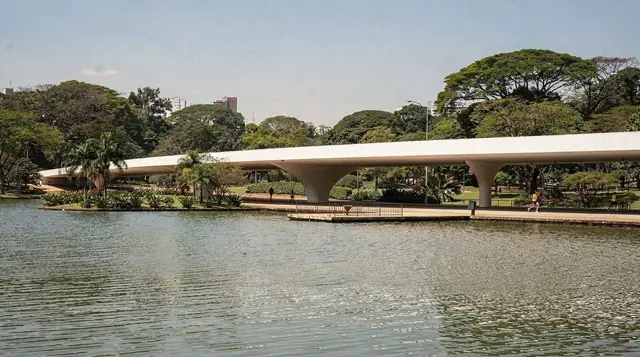
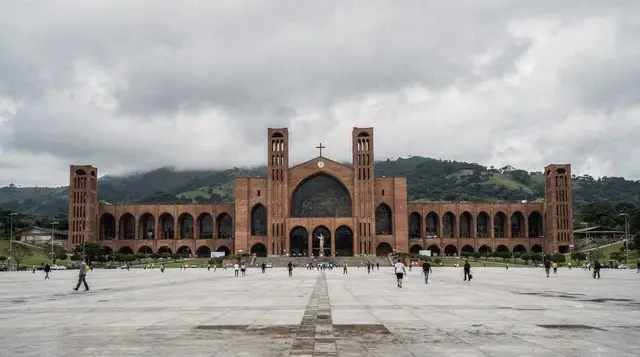
These are our own photographs of São Paulo, not the operator's pictures of this tour — open the tour page to see those.