Solo travel in São Paulo
Is São Paulo a good city for solo travel?
Yes, with the right preparation. It's a walkable-by-neighbourhood, well-connected city with a strong hostel and social scene in areas like Vila Madalena, a metro system that makes independent movement easy, and a food and museum culture that rewards exploring alone. The main adjustments versus travelling with others are around evening logistics and picking a well-located base — covered in detail below.
Travelling to São Paulo alone is entirely workable, and for the right kind of traveller, genuinely rewarding — a city this dense with neighbourhood texture, food and culture gives a solo visitor plenty to explore at their own pace without needing to negotiate an itinerary with anyone else. It does ask a bit more preparation than a beach-resort solo trip, mainly around evening logistics and getting oriented quickly in an unfamiliar megacity. This guide covers what actually matters for solo travellers specifically, beyond the general advice that applies to any visitor.
| Where | Best based in Vila Madalena, Pinheiros or Jardins for walkability and a social hostel scene |
| Cost | Solo travellers pay full accommodation cost but save on split-cost items like private tours |
| Time needed | No different from any other trip length — three days minimum, five to seven better |
| Getting there | Metro is genuinely the easiest way to move around solo — no need to coordinate group logistics |
| Best time | Same seasonal advice as any visit — April–June for the most reliable weather |
Is São Paulo actually safe to travel solo?
Yes, with the standard precautions covered in is São Paulo safe, an honest answer — nothing about travelling alone here materially changes the risk profile beyond the general advice that applies to any visitor. The main practical adjustment solo travellers should make is around evening logistics specifically: without a companion to split a rideshare cost or share the walk back to accommodation, it’s worth being slightly more deliberate about how you get around after dark, defaulting to a short Uber or 99 ride rather than a longer solo walk through unfamiliar streets.
Where to base yourself as a solo traveller
Vila Madalena and Pinheiros are the strongest picks for solo travellers specifically, thanks to a genuine hostel scene, walkable streets, and a social bar and cafe culture that makes it easy to strike up conversation without needing to seek it out deliberately. Jardins, more upscale and quieter in the evening, suits solo travellers prioritising a calmer base with strong restaurant options over active nightlife. Whichever you choose, prioritise proximity to a metro station — solo navigation is meaningfully easier when you’re not dependent on longer walks or rideshares for every outing. See where to stay in São Paulo for the fuller neighbourhood comparison.
Meeting other travellers
Hostels in Vila Madalena and Pinheiros consistently run the strongest social scene for solo travellers — communal kitchens, organised pub crawls, and a steady flow of other independent travellers passing through make it genuinely easy to find company for an evening or a day trip without much effort. Beyond hostels, group activities are a reliable way to meet people organically: a group walking tour, a cooking class, or a food tour puts you alongside other travellers with a shared activity as the natural conversation starter, which works better for many solo travellers than trying to socialise cold in a bar.
Eating alone: genuinely easy here
São Paulo’s per-kilo restaurant culture is unusually well suited to solo dining — you serve yourself, pay by weight, and there’s no awkwardness around a single-person reservation or a server hovering over an empty second seat. Counter seating is common at many casual spots too, and eating at the bar rather than a table is entirely normal and unremarkable here. For a nicer solo meal, most restaurants handle a table for one without issue, particularly earlier in the evening; if you’d rather ease into solo dining with some structure, a food tour like the ones covered in São Paulo food tours compared gives you company and context on the food itself.
Your first day: worth spending it with a guide
The single most useful thing a solo traveller can do on day one is remove the guesswork of navigating an unfamiliar megacity alone from the very start. A private walking tour with a local or a private custom tour with a local guide both orient you quickly — which areas feel comfortable, how the metro actually works in practice, where the good food is — in a way that solo trial and error takes days to replicate. This isn’t necessary for every solo traveller, particularly experienced ones, but it’s a genuinely good investment for a first visit to Brazil specifically. See is a guided tour of São Paulo worth it for the fuller honest take.
Staying connected matters more when you’re alone
Mobile data isn’t optional for solo travel here — without a companion to double-check a route or split navigation duties, having live maps and messaging available constantly matters more than it would travelling with others. An eSIM data plan for Brazil keeps you connected from the moment you land, which also means you can share a live location with family or friends back home if that’s part of your solo-travel safety routine. See eSIM and internet in Brazil for the setup.
Solo nightlife: what actually changes
Going out alone in Vila Madalena or Pinheiros is genuinely common and unremarkable — plenty of locals and other solo travellers do exactly this on any given night, and bar and club culture here doesn’t carry the same “must arrive with a group” expectation some cities have. The practical adjustment is mainly about the return trip: rather than a longer walk back with a group for safety in numbers, budget for a short rideshare home even for a nearby-feeling distance, and keep your phone charged enough to book one reliably at the end of the night. See going out safely in São Paulo for the fuller nightlife-specific safety picture.
Navigating the language barrier alone
Without a travel companion to lean on for translation or double-checking directions, a working set of basic Portuguese phrases matters more for solo travellers specifically — see Portuguese phrases for travellers for the essentials worth learning before you land. Combined with reliable mobile data for translation apps as backup, this covers the overwhelming majority of solo navigation and ordering situations without needing to rely on anyone else’s language skills.
Staying longer: solo travel as a semi-nomadic base
Some solo travellers use São Paulo as a base for several weeks or longer, working remotely part of the time and exploring the city and its surrounding region between work stretches — the city’s strong coworking-cafe culture, reliable internet infrastructure and central location relative to the coast and mountains make this a genuinely workable pattern. If this describes your plan, Brazil’s digital nomad visa (covered in Brazil entry requirements) is worth investigating specifically, along with a longer-term rental rather than hotel-hopping for a stay of this length.
Photography and journaling alone
São Paulo rewards a slower, observational pace that solo travel suits particularly well — street art in Vila Madalena, the architecture along Paulista, the market energy of the Mercadão all benefit from lingering rather than rushing through with a group’s collective pace to manage. Solo travellers consistently report noticing more of this textural detail precisely because there’s no need to keep a group moving or negotiate a shared schedule, one of the underrated advantages of travelling here alone rather than a drawback.
Day trips solo: doable, with a bit more planning
Solo day trips to Santos, Embu das Artes or further destinations work fine independently using public bus or train connections, though a guided or shared-transport option removes the logistics entirely if you’d rather not plan a solo route cold. For destinations further out — a shared transfer to Paraty, for instance — a shared transfer service is a genuinely solo-friendly option, since you’re grouped with other travellers rather than needing your own vehicle or a driving companion. See the best day trips from São Paulo for the full range.
Budget notes specific to solo travel
Solo travel costs more per person than travelling with a companion in a few specific categories — a hotel room isn’t split, and a private transfer or private tour, often priced per vehicle, becomes proportionally more expensive alone. It costs less in others — no group-dining premiums, and per-kilo dining actually favours solo eaters, who pay exactly for what they eat rather than sharing a fixed-price group meal. See how much does São Paulo cost for the fuller cost breakdown, with solo-specific notes throughout.
Solo versus group cost comparison
| Category | Solo | Group of 2+ |
|---|---|---|
| Accommodation | Full cost per person | Split, often half or less per person |
| Private tour/transfer | Full vehicle cost alone, or join a group tour instead | Split across the group |
| Dining | No premium — per-kilo favours solo diners | Similar, occasionally better value on shared dishes |
| Flexibility | Complete — no group consensus needed | Requires coordination and compromise |
The honest takeaway: solo travel costs more in the categories that scale with people (rooms, private vehicles) but loses nothing on food, and gains meaningfully in flexibility — worth weighing against the cost difference rather than assuming solo is simply the more expensive way to visit across the board.
What experienced solo travellers say works best here
Travellers who’ve done a solo São Paulo trip consistently point to the same pattern: spend the first day getting oriented (ideally with a guide), base yourself somewhere social if meeting people matters to you, lean on the metro rather than overthinking transport, and treat eating alone as a non-issue rather than something to work around — because in this city, genuinely, it isn’t one. This pattern shows up repeatedly enough in real trip accounts that it’s worth treating as more than generic advice; see where paulistanos actually go on weekends for a locals’-eye view that solo travellers often find easier to actually follow than a group would, since it requires no group buy-in to try something a bit off the standard tourist path.
Solo travel during the rainy season
São Paulo’s summer storms (December–March) hit hard and fast, typically in the late afternoon, and solo travellers specifically should build a bit more flexibility into an itinerary during these months than a companion-based trip might need — there’s no one else to help make a quick call about whether to wait out a downpour or push on, so having a backup indoor plan already in mind (a museum, a café, a covered market) removes the need to improvise alone mid-storm. The what to do in São Paulo when it rains guide is worth reading before a summer solo trip specifically, since a solo traveller caught unprepared by a sudden storm has fewer easy options for waiting it out comfortably than someone travelling with company who can duck into a shared plan on the fly.
Accessibility for solo travellers with mobility needs
Solo travel with a mobility limitation is workable in São Paulo but benefits from more upfront planning than either a solo trip without mobility considerations or a group trip with them, simply because there’s no companion to help navigate an unexpected obstacle like a broken lift or an uneven stretch of pavement. Sticking to well-served metro stations, covered in the accessibility notes of the São Paulo metro guide, and favouring neighbourhoods with better pavement quality — Jardins and central Vila Madalena tend to be more consistent than the historic centre’s older, uneven streets — reduces the number of solo problem-solving moments across a trip. Booking a private guide for at least the first day, already recommended above for orientation reasons, carries extra value for a solo traveller with accessibility needs specifically, since a local guide can route around known trouble spots in a way that solo trial and error can’t replicate quickly.
Frequently asked questions about solo travel in São Paulo
Is São Paulo a good city for a first solo trip abroad?
It’s a reasonable choice for a confident first-timer, particularly if you start with a guided first day to build orientation quickly, though a smaller or more tourist-infrastructure-heavy city might suit an especially nervous first-time solo traveller better.
Where should solo travellers stay in São Paulo?
Vila Madalena or Pinheiros for the strongest social and hostel scene, or Jardins for a quieter, more upscale solo base with excellent restaurants nearby.
Is it normal to eat alone at restaurants in São Paulo?
Yes, entirely — per-kilo restaurants and counter seating in particular make solo dining genuinely unremarkable and easy.
How do I meet other travellers in São Paulo?
Social hostels in Vila Madalena and Pinheiros, group walking tours, food tours and cooking classes are all reliable, low-pressure ways to meet people naturally.
Should solo female travellers take different precautions than solo male travellers?
The core precautions — well-lit areas at night, rideshares over long solo walks, standard street awareness — apply broadly to any solo traveller, with the same general caution any solo woman would apply in a comparably sized city elsewhere.
Is it worth booking a private guide as a solo traveller, or is that better for groups?
It’s arguably more valuable solo — the cost per person is higher without splitting it, but the orientation and safety benefit of a knowledgeable local guide matters more without a companion to lean on.
Can I do day trips from São Paulo solo without a car?
Yes — buses, shared transfers and public transport cover most popular day-trip destinations without needing to drive yourself. See the best day trips from São Paulo.
Is it awkward to book a table for one at a nicer restaurant?
Rarely — most São Paulo restaurants handle solo diners without issue, particularly if you’re not trying to get a peak-hour weekend table, when tables for one may wait slightly longer than larger groups.
Does travelling solo limit which neighbourhoods I should visit?
Not meaningfully — the same neighbourhoods recommended for any visitor work well solo, with the main adjustment being how you get home in the evening rather than which areas to see during the day.
Building a solo-friendly itinerary
Once the basics above are sorted, the day-by-day structure works the same as any visit — see the three-day São Paulo itinerary or five-day itinerary for a ready-made plan, adjusted for solo pacing. For the wider planning steps, return to planning a trip to São Paulo.
Trip-planning essentials on GetYourGuide
Verified deep-linked GetYourGuide tours. Book through these links and we earn a small commission at no cost to you.
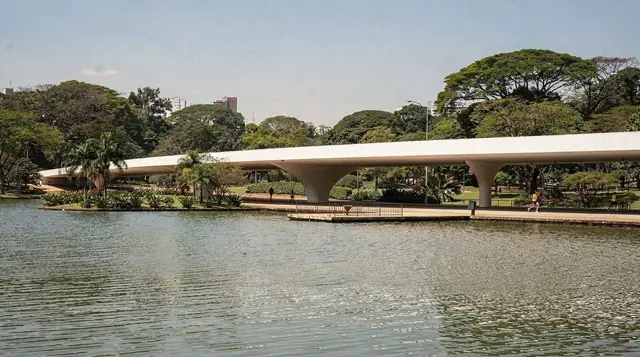
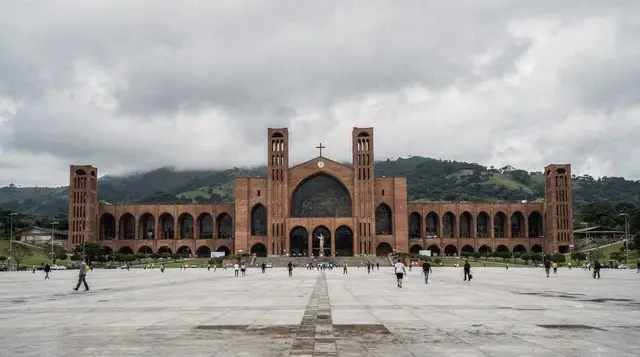
These are our own photographs of São Paulo, not the operator's pictures of this tour — open the tour page to see those.