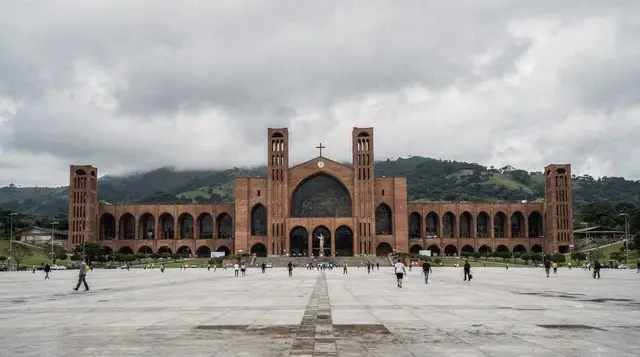
São Roque calls itself the wine capital of São Paulo state, and the sign at the city limits says so in letters big enough to photograph. It is not quite the Serra Gaúcha or the Mendoza valley — the soil and altitude here favor volume over finesse — but it is close enough to São Paulo to fill a Saturday, and honest enough as a destination that we can tell you exactly what it is good for and what it is not. It sits about 60km west of the city on the Raposo Tavares highway, in hill country that also grows strawberries by the ton, which is why roadside stands selling morango doce (candied strawberries on a stick) outnumber wine shops along the last stretch of road.
| Where | Rodovia Raposo Tavares km 60–65, western São Paulo state |
| Cost | R$30–90 per tasting; R$150–250 for a guided half-day route |
| Time needed | Half a day for 2–3 adegas, a full day with lunch |
| Getting there | Car or tour recommended; bus from Terminal Barra Funda possible but slow between wineries |
| Best time | February–April harvest season; avoid Monday, when several adegas close |
The Caminho do Vinho, in practice
The “wine route” is a string of family-run adegas — some grand, some little more than a shed with a tasting counter — strung along and just off the Raposo Tavares highway and the roads that branch from it toward Mairinque and Ibiúna. There is no shuttle between them and no pedestrian path connecting one to the next: they are separated by stretches of two-lane highway with trucks doing 80km/h, so walking between adegas is not realistic even though Google Maps will show them as a few kilometers apart. You need a car, a driver, or a tour that has already worked out the logistics.
Most adegas charge a tasting fee (R$30–90, roughly USD 6–17) that usually includes three to five pours and sometimes a plate of cheese and bread. Some let you keep the glass. A handful of the bigger operations — Góes and Santa Felicidade are the two most visited — have proper restaurants attached, so it is possible to build a full day around lunch at one winery and tastings at two others without ever getting back in the car for more than fifteen minutes at a stretch.
a guided São Roque wine route with tastings included removes the logistics problem entirely — pickup from São Paulo, a fixed route of two or three adegas, and a driver who is not the one drinking.
What you are actually tasting
Here is the honest part: São Roque’s table wines rarely compete with wine from Rio Grande do Sul or imported bottles, and a few visitors leave a little disappointed if they came expecting a serious tasting. The altitude and humidity here are workable for grapes but not ideal, and most of the production is aimed at casual, sweeter palates — you will see a lot of suco de uva (grape juice, non-alcoholic) sold alongside the wine, which tells you something about who the target customer usually is.
The cachaças are the better reason to come. Several adegas distill their own, some aged in native Brazilian woods like jequitibá or amburana rather than oak, and the flavor differences are genuinely interesting if you like spirits. Ask which cachaças are barrel-aged versus unaged (branca) before you taste — the aged ones cost more but are usually worth the extra R$20–40 a bottle.
a private full-day wine tour is worth the upgrade over a shared group tour if you actually want to talk to the winemakers rather than move through on a schedule.
Festa da Uva and when to time your visit
| Month | What’s happening |
|---|---|
| February–March | Harvest (colheita); adegas are busiest and freshest, Festa da Uva often runs weekends |
| April | Tail end of harvest, good tastings, thinner crowds |
| May–August | Off-season; cooler, drier, quieter — some smaller adegas reduce hours |
| September–November | Spring, pleasant for the drive, but you’re tasting last year’s harvest |
| December–January | Brazilian summer holidays; roads to São Roque get crowded on weekends |
The Festa da Uva (Grape Festival) is not a single fixed date but a season of harvest-related events that different adegas run independently through February and March — check individual winery calendars rather than assuming a single citywide festival day. If you are coming specifically for the festival atmosphere, a Saturday in late February or early March is the safest bet.
Getting there without a car
A bus runs from Terminal Barra Funda in São Paulo to São Roque’s rodoviária in roughly 1h15–1h30, for around R$25–35. The problem starts once you arrive: the adegas are not walkable from the bus terminal or from each other, so you would need to arrange a local taxi or app ride between stops, and rides between adegas aren’t always readily available on demand in a small town. This works if you are visiting one or two adegas near the highway and staying close to town, but it stops being convenient the moment you want to string together three wineries in an afternoon. For that, a car — your own, hired, or a tour — is the realistic option.
Where to eat
Rural restaurants attached to the bigger adegas serve comida caipira — Brazilian country cooking, heavy on pork, chicken, cassava, and beans — in generous portions meant for sharing, typically R$60–90 per person. Santa Felicidade and Góes both run this kind of restaurant and both get busy on weekends, so a reservation helps if you’re going at lunchtime on a Saturday. Away from the wineries, the town center has simple lanchonetes for a quicker, cheaper stop (R$25–40 for a plate), useful if you’re passing through rather than lingering.
If cheese pairs better with your plans than a full meal, a coffee and cheese farm tour in the region covers similar countryside with a different focus, and pairs naturally with a shorter wine stop on the same day.
Where to stay if you’re not doing it as a day trip
Most visitors treat São Roque as a day trip, but a handful of pousadas and small rural hotels around the wine route make an overnight stay possible, typically R$200–400 per night for a double room. This is worth considering during the Festa da Uva season if you want to visit adegas early, before weekend crowds arrive, or if you’d rather not drive back to São Paulo after an afternoon of tastings. Staying locally also opens up the possibility of visiting adegas that keep shorter, quieter hours on weekday mornings, which the day-trip crowd rarely sees.
A note on the strawberries
São Roque’s other claim to regional fame — Capital do Morango, or strawberry capital — tends to get overshadowed by the wine marketing, but it shouldn’t. Pick-your-own strawberry farms operate along several of the same rural roads as the adegas, mostly at their best from around May through September, and a stop here works well as a lighter, non-alcoholic complement to a wine-heavy itinerary, particularly if you’re traveling with kids who won’t get much out of a tasting counter. Prices for pick-your-own baskets run roughly R$15–30 depending on the farm and the size of the basket, and most also sell prepared strawberry products — jams, liqueurs, chocolate-dipped strawberries — at the farm shop.
How São Roque compares to other interior day trips
If you’re deciding between São Roque and somewhere else on a tight schedule, it helps to know what makes it distinct: it’s the closest genuine “wine country” experience to São Paulo, with a shorter drive than Holambra or Campinas and a narrower, more focused theme than Itu’s mix of colonial history and quirky humor. What it doesn’t offer is much walkable town center — unlike Itu or Embu das Artes, São Roque’s appeal is spread along a highway rather than concentrated in a historic núcleo, which is the main reason a car or tour matters more here than almost anywhere else on this list.
Frequently asked questions about visiting São Roque
Is São Roque wine actually good?
It is inconsistent — some adegas produce drinkable, simple wines, others lean heavily sweet or thin. Go in expecting a casual, friendly tasting experience rather than a serious wine region, and you won’t be disappointed. The cachaças are the stronger product.
Can I visit São Roque without a car?
You can reach the town by bus from Terminal Barra Funda, but moving between adegas without a car or app rides is impractical. A tour with pickup solves this cleanly.
How much should I budget for a day trip?
Figure R$150–300 per person for transport, two or three tastings, and lunch — more if you buy bottles to take home (R$40–120 each, depending on aging and size).
Is São Roque only about wine?
No — it’s also known regionally for strawberries (morango), with pick-your-own farms and roadside stands, especially in the cooler months (May–September).
When do the adegas close?
Hours vary by winery, but many close Monday and some reduce hours in the off-season (May–August). Always check the specific adega’s calendar before driving out.
Can I do São Roque and another day trip in the same day?
It’s tight but possible with Embu das Artes, which sits roughly on the way back toward São Paulo — some tours combine a wine stop with an afternoon browsing Embu’s handicraft market.
Is the drive difficult?
The Raposo Tavares is a well-maintained highway, but traffic backs up on weekend afternoons, especially Sunday evening returning to the city. Leave with buffer time if you’re driving yourself.
What should I buy to bring home?
Aged cachaça (look for jequitibá or amburana wood aging) travels well and makes a more distinctive souvenir than the simpler wines.
Is São Roque suitable for a group that doesn’t drink?
Yes — the strawberry farms, rural restaurants, and countryside scenery work well for non-drinkers, and several adegas offer non-alcoholic grape juice tastings alongside the wine and cachaça.
How far in advance should I book a tour?
For Festa da Uva weekends (February–March), book at least one to two weeks ahead — the most popular adegas and guided routes fill up. Off-season, a few days’ notice is usually enough.
Fitting São Roque into a longer trip
A half-day in São Roque works cleanly as one leg of a five-day São Paulo itinerary or a seven-day trip that mixes the city with day trips, usually paired with a morning or afternoon back in the city rather than as a full standalone day. If you’re building a broader picture of what’s reachable from São Paulo, the day trips from São Paulo guide and the comparison of day trips both put São Roque next to Embu das Artes, Holambra, and the coast so you can weigh drive time against what each place actually offers. For the practicalities of getting around without your own car, see the guide to driving in São Paulo and the long-distance bus guide.