The best day trips from São Paulo
What's the best day trip from São Paulo?
It depends on what you want. Santos is the easiest beach-and-history combination without a car. Embu das Artes is the shortest trip for a half-day handicraft market. Campos do Jordão and Paraty are technically day-trippable but better as overnight stays given the drive. São Roque and Embu are the two you can realistically combine in a single day if time is tight.
São Paulo’s real advantage as a base isn’t just the city itself — it’s what sits within a few hours in every direction. The coast delivers beaches and port history within 90 minutes to two hours. The Serra da Mantiqueira delivers cool mountain air and pine forest at 1,600 metres. The interior delivers colonial towns, wine routes and a Dutch flower colony, none of it more than two and a half hours out. Not every option here genuinely works as a same-day round trip — some are better treated as overnight stays that got rebranded “day trips” by tour operators trying to sell you the drive — and this guide is honest about which is which.
| Where | Coast (1–2h), interior (1–2.5h), mountains (2.5–4h) |
| Cost | Bus/tour from R$40–90 (US$8–17); private full-day tours R$300–600+ per person |
| Time needed | Half day (Embu) to full day (Santos, Campos do Jordão, São Roque) |
| Getting there | Bus, car, or organised tour with transport included — car strongly recommended for the interior sites |
| Best time | April–September (dry season) for reliable weather across all regions |
The genuinely easy half-day and full-day trips
Embu das Artes, just 28 km out, is the closest thing to a guaranteed win — a colonial handicraft town with a genuine weekend market institution, doable in half a day including the drive, though it’s largely wasted on a weekday when the market isn’t running. Santos, about 72 km south, is the standard full-day beach-and-history trip: a working port city with the Guinness-certified largest beachfront garden in the world, the Pelé museum in a restored coffee exchange building, and enough substance to fill a full day without ever setting foot on the actual beach if history interests you more. The full-day guided city tour from the Port of Santos covers both angles in one trip.
São Roque, roughly 60 km out, rounds out the easy tier — a wine and cachaça route along a single highway corridor, best done with a car or driver since the adegas have no sidewalks between them. The São Roque wineries route with wine tasting handles the logistics in one booking.
The trips that need a car (or a lot of patience on the bus)
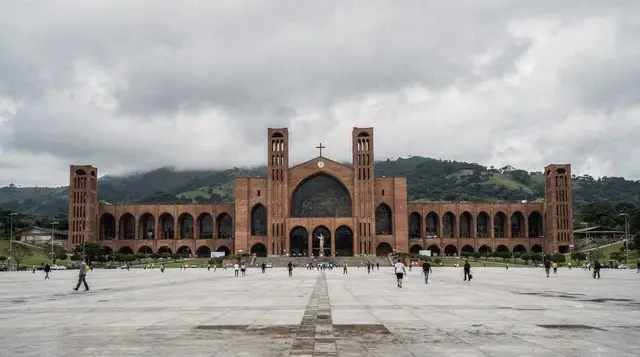
Holambra, the Dutch-founded flower town near Campinas, sits 140–150 km out — a 2h to 2h45 drive outside rush hour, longer if you leave the city after 4pm. It rewards a specific-season visit (September, during Expoflora and tulip planting) far more than a random weekday, and público transport there is genuinely impractical; a car or organised tour is close to mandatory. Aparecida, home to one of the largest Catholic basilicas in the world by capacity, sits at a similar distance (about 170 km via the Dutra highway) and works well as either a standalone day trip or a stop en route toward Rio de Janeiro. Paranapiacaba, closer at 55 km, is the outlier of the group — a preserved 19th-century British railway village wrapped in near-constant fog, reachable in 1h15 to 1h45, offering a genuinely unusual half-day that most first-time visitors to São Paulo have never heard of.
Trips that are better as overnights, even though they’re marketed as day trips
Campos do Jordão, at 170 km and a 2.5 to 4-hour drive each way (worse on winter weekends when half the city has the same idea), is technically doable in a day but a poor use of the destination — you’d spend more time in transit than in the town itself. Two nights is the realistic minimum to actually experience the cold-weather appeal that makes Campos do Jordão worth the trip in the first place. The Brazilian Switzerland full-day trip does cover it as a single long day if your schedule genuinely has no other option, departing early and returning late.
Paraty is the clearest example of a trip that shouldn’t be a day trip at all — 300 to 330 km away, a 4 to 5.5-hour drive each way depending on route and traffic, meaning 8 to 11 hours round trip for a town built for slow, cobblestoned wandering rather than a rushed few hours. Ilhabela similarly involves a car ferry crossing on top of a 3.5 to 4.5-hour drive, and most visitors who take it seriously stay at least one night. Both are covered in more detail in their own guides, including how to make the most of a compressed visit if an overnight genuinely isn’t an option.
Comparing the main options
| Destination | Distance | One-way time | Best for |
|---|---|---|---|
| Embu das Artes | 28 km | 40min–1.5h | Half-day handicraft market (weekends) |
| São Roque | ~60 km | 1h–1h45 | Wine and cachaça tasting |
| Paranapiacaba | 55 km | 1h15–1h45 | Railway history, fog, photography |
| Santos | ~72 km | 1–1.5h (car), 1.5–2h (bus) | Beach, port history, Pelé museum |
| Aparecida | ~170 km | 2h–2h45 | Basilica, pilgrimage, en route to Rio |
| Holambra | 140–150 km | 2h–2h45 | Flowers, windmills (best in September) |
| Campos do Jordão | 170 km | 2.5–4h | Cool mountain air (better as overnight) |
| Ilhabela | ~200 km + ferry | 3.5–4.5h | Waterfalls, sailing (better as overnight) |
| Paraty | 300–330 km | 4–5.5h | Colonial architecture (better as overnight) |
Tour versus independent travel
Buses run from Terminal Tietê or Jabaquara to most coastal and interior destinations covered here, generally cheaper than an organised tour but requiring more of your own planning around schedules and connections once you arrive — most of these towns don’t have extensive local public transport once you’re off the bus, which matters for anywhere spread out, like the São Roque wine route or Holambra’s flower farms. A car solves that problem directly but adds the stress of driving unfamiliar roads and, for anywhere on the coast, genuinely bad weekend traffic; see driving in São Paulo before committing to a rental. Organised tours cost more but bundle transport, entry fees in some cases, and a guide who can explain what you’re looking at — often the more relaxing option if you’re only in Brazil for a short trip and don’t want to lose a travel day to logistics. See long-distance buses from São Paulo for the specifics of the bus option.
Picking between the coast and the interior
If beach time is the priority, everything on the coast — Santos primarily, with Guarujá as the classic weekend-beach alternative — beats anything inland. If the priority is greenery, small-town character or something that doesn’t involve sand, the interior options (Embu, São Roque, Holambra, Aparecida, Paranapiacaba) deliver more variety per kilometre travelled. For a full comparison across every coastal option specifically, see which beach town near São Paulo is right for you, and for the broader interior-versus-coast decision, which day trip from São Paulo to choose goes deeper on trade-offs than this overview does.
Choosing by interest rather than distance
Distance is one filter, but interest is often the better one. For food and drink, São Roque’s wine route and the coffee farm tours around the interior both deliver a tasting-focused day that beats a standard sightseeing itinerary — see coffee farm tours near São Paulo for the coffee-specific version. For families, Embu das Artes and Santos both work well given their manageable distances and low-key pacing, while longer drives to Campos do Jordão or Paraty ask a lot of small kids stuck in a car; the São Paulo with kids guide covers the family-specific trade-offs in more depth. For photography and something genuinely different from the standard beach-or-wine choice, Paranapiacaba’s fog and preserved railway architecture is hard to beat within an hour and a half of the city. For hiking and nature immersion beyond a single park, see the broader hiking near São Paulo guide, which overlaps with several of these destinations but focuses specifically on trails rather than full-day itineraries.
Money and what to bring
Cash still matters more outside the city than inside it — smaller vendors at markets in Embu das Artes, roadside stalls along the São Roque wine route, and some rural restaurants near Holambra don’t reliably take cards, so carrying some Brazilian reais is worth it even though São Paulo itself is close to cashless. Pix, Brazil’s instant payment system, is widely used locally but requires a Brazilian bank account or CPF to set up, so it’s not a practical option for most visitors — see money in Brazil for the fuller picture on cards, cash and Pix. Sun protection, water, and comfortable walking shoes cover most of these day trips regardless of destination; anything involving a beach obviously needs swimwear, and anything in the mountains — Campos do Jordão especially outside summer — genuinely benefits from a layer warmer than what the rest of your São Paulo trip requires.
Weather considerations by region
The coast and the interior share São Paulo’s general seasonal pattern — hot, humid summers (December–March) with dramatic afternoon storms, and drier, milder conditions April through September — but the mountains behave differently. Campos do Jordão’s elevation means genuinely cold nights in July, sometimes near freezing, a sharp contrast with the coast’s year-round warmth. Check conditions specifically for whichever region you’re headed to rather than assuming São Paulo city’s forecast applies uniformly; see the best time to visit São Paulo for the seasonal breakdown across all of these regions, and São Paulo in winter specifically for what July and August look like if a mountain trip is on your list.
Common mistakes visitors make planning these trips
The single most frequent mistake is underestimating the drive time out of São Paulo itself rather than the destination’s actual distance — leaving the city between 07h and 10h or between 17h and 20h, even for a trip whose highway portion is otherwise fast, can add 45 minutes to an hour just crossing the metropolitan area’s own congestion before you reach open road. A second common error is treating Campos do Jordão, Ilhabela or Paraty as genuinely flexible day trips because a tour operator lists them as one — as covered above, the round-trip drive alone eats six to eleven hours, leaving a thin, rushed slice of actual destination time that undersells what these places offer.
A third mistake, more subtle, is assuming every day trip destination has the same level of card acceptance and tourist infrastructure as central São Paulo; smaller towns like Holambra outside its September flower season, or roadside stops along the São Roque route, can be surprisingly quiet and cash-reliant compared to the city you just left. Finally, visitors sometimes book a weekend date for a destination that’s genuinely better on a weekday — Embu das Artes is the one exception where the weekend market is the whole point, but Santos, São Roque and Paranapiacaba are all noticeably calmer, and the roads getting there noticeably faster, midweek.
A worked example: a full day trip to Santos, cost and timing
Concrete numbers help more than a general estimate. A self-organised day trip to Santos by bus from Terminal Jabaquara, departing around 8am to clear the city before traffic peaks again, costs roughly R$40–55 (US$8–11) round trip for the bus itself. Entry to the Pelé museum runs about R$30–40 (US$6–8), and a seafood lunch at one of the restaurants near the beachfront garden or historic centre — not the cheapest option in town, but a reasonable mid-range choice — comes to roughly R$60–90 (US$12–18) per person.
Add a coconut water or two from a beach vendor (R$8–12 each) and the odd small purchase, and a full, comfortable day in Santos, independently organised, lands around R$150–220 (US$30–44) per person, returning to São Paulo by early evening ahead of the worst of the 17h–20h rush if you time the return bus deliberately. The full-day guided city tour from the Port of Santos runs higher per person but removes the bus-schedule planning entirely, which is worth weighing against the independent-travel savings above.
Accessibility across these destinations
Accessibility varies more between these day trips than almost any other factor covered here. Santos is the most accessible option overall — flat terrain along the beachfront, paved paths through the garden, and a modern museum building with lift access. Embu das Artes’ historic centre, by contrast, is built on cobblestones and uneven colonial-era paving that makes wheelchair or limited-mobility navigation genuinely difficult, particularly through the market stalls on a busy weekend.
Paranapiacaba’s steep, fog-slicked streets and Campos do Jordão’s hilly terrain both present real physical challenges regardless of transport arrangements. If mobility is a significant factor in your planning, Santos and a private car-based version of the São Roque wine route (skipping the walk between adegas) are the more realistic choices among everything covered in this guide, and it’s worth calling ahead to any specific venue — the Pelé museum in particular — to confirm current accessibility provisions before relying on them.
Frequently asked questions about day trips from São Paulo
What’s the single easiest day trip without a car?
Santos, reachable by bus from Terminal Tietê or Jabaquara in 1.5–2 hours, with enough to see (beachfront garden, Pelé museum, historic centre) to fill a full day without needing a rental car or driver.
Can I do two day trips in one visit to São Paulo?
Yes, if you have at least four or five days in the city — Embu das Artes and São Roque are close enough to each other that some tours combine both in a single long day, though visiting each separately gives more time at both.
Which day trips should I avoid doing in a single day?
Campos do Jordão, Ilhabela and Paraty are all better as overnight stays — the drive alone eats most of a day, leaving little actual time at the destination.
Do I need to book tours in advance?
For weekend dates, especially to Santos, Campos do Jordão or the São Roque wine route, yes — a few days ahead is generally enough, though popular dates around holidays fill faster.
What’s the best day trip for someone without much time?
Embu das Artes on a weekend, given its short distance and the market’s genuine local reputation — it’s the day trip that best rewards a tight schedule.
Is public transport realistic for any of these?
Only really Santos, via long-distance bus. Everything else — Holambra, São Roque, Paranapiacaba, Campos do Jordão — is far more practical with a car or an organised tour given limited local transport once you arrive.
How does traffic affect these trips?
Significantly on weekends and especially Brazilian summer (December–March) — the coastal highways (Rodovia dos Imigrantes, Anchieta) can back up for hours on Friday afternoons and Sunday evenings. Weekday travel, where your schedule allows it, avoids most of this.
Are these day trips safe for solo travellers?
Yes, generally — all of the destinations covered here are well-established, low-risk day trip routes with regular tourist and local traffic. Standard precautions apply (watch belongings on buses, avoid flashing valuables at market stalls), covered in more depth in solo travel in São Paulo.
Booking early versus deciding on the ground
Some of these day trips are worth locking in before you land — the São Roque wine route and Holambra’s Expoflora season especially, since both benefit from a specific date or season and can be booked online well ahead of your trip. Others reward flexibility: Santos and Embu das Artes are close enough and frequent enough (by bus, tour, or car) that deciding the night before, based on how the weather looks, works perfectly well. If your trip is short and every day counts, err toward booking the harder-to-arrange options first and leaving the easy ones — Santos above all — for whichever day ends up free.
Fitting day trips into your itinerary
One day trip fits comfortably into a four-day itinerary, and two into a five-day itinerary without feeling rushed. For a trip built specifically around getting out of the city, the São Paulo to the coast five-day route sequences a full coastal stretch, while a seven-day itinerary has room for both a coastal day and an interior or mountain trip without sacrificing time in the city itself.
Best day trips from São Paulo on GetYourGuide
Verified deep-linked GetYourGuide tours. Book through these links and we earn a small commission at no cost to you.
These are our own photographs of São Paulo, not the operator's pictures of this tour — open the tour page to see those.