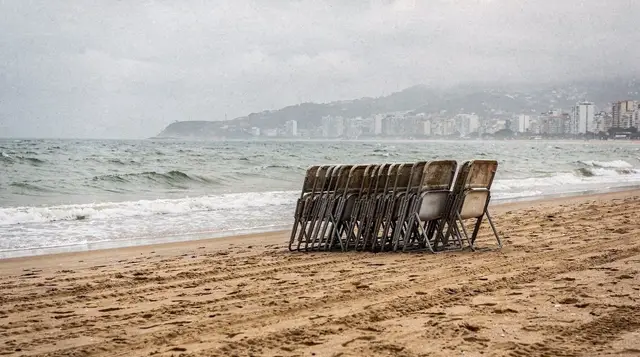
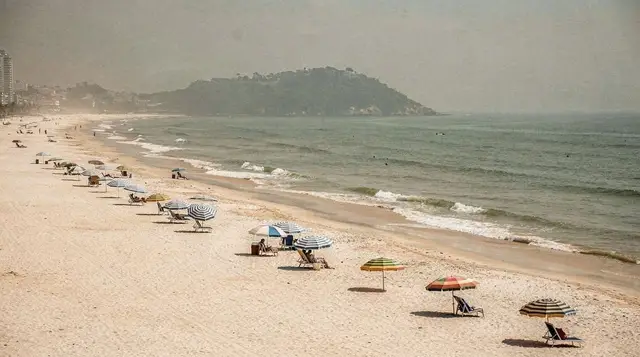
When to go to the beach from São Paulo
When is the best time to visit São Paulo's beaches?
April-June and August-October offer the best balance of pleasant weather and manageable crowds. December-March is hottest with the warmest water but also the most crowded and expensive, with dramatic late-afternoon thunderstorms. July has a secondary crowd bump from Brazilian school winter holidays.
São Paulo’s coast runs on a Southern Hemisphere calendar, which trips up a lot of visitors used to thinking of December as winter and July as summer — here it’s the reverse, and the seasonal patterns that follow shape everything from water temperature to how packed the highways are on any given weekend. This guide breaks the year down honestly, month by month where it matters, so you can pick a window that matches what you actually want from a beach trip rather than discovering the trade-offs after you’ve already booked — because the difference between a well-timed and poorly-timed coastal trip on this stretch of Brazil is genuinely larger than most visitors expect before they experience it firsthand.
| Where | Applies to the whole São Paulo coast, from Santos to Ubatuba and beyond |
| Cost | Peak season (Dec-Feb) accommodation runs 30-80% higher than shoulder season |
| Time needed | N/A — this is a planning guide, not a single destination |
| Getting there | See the how to get to the beach guide for route-specific timing |
| Best time | April-June and August-October for the best overall balance |
Summer (December-March): hot, crowded and stormy
December through March is Southern Hemisphere summer, and it’s when São Paulo’s beaches see the warmest water and the biggest crowds simultaneously — Brazilian domestic tourism peaks hard during this window, particularly around Christmas, New Year and Carnival, when accommodation prices along the whole coast climb 30-80% above shoulder-season rates and highway traffic on the Anchieta-Imigrantes and Rio-Santos corridors becomes genuinely severe, sometimes requiring officially managed one-way traffic operations to manage the volume of vehicles heading to and from the coast.
Days are hot and humid, often reaching the low-to-mid 30s°C, and a defining feature of this season is the late-afternoon thunderstorm — a dramatic, fast-building squall that can roll in with little warning most afternoons, particularly further inland but also along parts of the coast. Locals plan beach days around mornings for this reason, treating the afternoon as unreliable. New Year’s Eve on the coast, particularly in towns like Guarujá and Maresias, draws serious crowds and is worth avoiding entirely unless that specific atmosphere is the point of your trip.
Autumn (April-June): the best window for most visitors
April through June is widely considered the sweet spot for visiting São Paulo’s beaches — temperatures ease into a more comfortable range, humidity drops, rain becomes less frequent and less dramatic, and crowds thin out noticeably compared to summer, particularly on weekdays. Water temperature is still swimmable, if a touch cooler than peak summer, and this window avoids both the summer crush and the coolest part of winter — it’s the window experienced repeat visitors to this coast quietly favour, since it delivers most of summer’s swimming comfort without the worst of its crowds and highway congestion. Accommodation prices ease back to shoulder-season rates, and popular spots like Maresias and Ilhabela are genuinely pleasant to visit without the peak-season density. This is the window worth prioritising if your travel dates are flexible and a good weather-to-crowd ratio matters more than the warmest possible water.
Winter (July-August): cool, dry and quiet — with one bump
June through August brings the coolest, driest weather of the year to São Paulo’s coast, with air temperatures that can dip into the teens (°C) and water temperatures cool enough that some visitors find swimming genuinely uncomfortable without a wetsuit, particularly on the south coast. This is by far the quietest and cheapest window to visit — hotels drop rates, beaches are close to empty on weekdays, and it’s a good time for hiking, sightseeing and general exploration without crowds — Ilhabela’s waterfall trails and Ubatuba’s quieter beaches are particularly rewarding in this window, when you can genuinely have popular spots close to yourself on a weekday.
The exception is July, when Brazilian school winter holidays produce a noticeable secondary bump in domestic tourism, particularly in the first half of the month — not summer-level crowds, but a real step up from the quieter June and August windows either side of it. Outside that specific window, winter is arguably the most underrated time to visit this coast: fewer people competing for the same beaches, noticeably lower accommodation prices, and clear, dry weather that suits hiking, waterfall visits and general exploration even if a long swim isn’t part of the plan.
| Season | Months | Weather | Crowds | Prices |
|---|---|---|---|---|
| Summer | Dec-Mar | Hot, humid, afternoon storms | Highest | Highest (+30-80%) |
| Autumn | Apr-Jun | Mild, drier, clear | Low-moderate | Standard |
| Winter | Jul-Aug | Cool, dry | Low, except July bump | Lowest |
| Spring | Sep-Nov | Warming, rain returns | Moderate | Standard, rising toward Dec |
Spring (September-November): warming up again
September through November sees temperatures climb back toward summer levels and rain gradually return, though generally without the dramatic intensity of the full summer storm season. Crowds build steadily through this period as the coast heads toward its December peak, but September and October in particular remain a genuinely good window — comparable to the April-June sweet spot in terms of weather-to-crowd balance, with the bonus of ipê trees blooming inland if you’re combining a coast trip with time in the city or the mountains. November starts to feel more like early summer, with crowds and prices creeping upward ahead of the December rush — treat late November as effectively the start of the higher-price, higher-crowd calendar rather than still part of the quieter shoulder season, since accommodation operators along the coast typically shift their pricing at this point.
Water temperature by season
Water temperature tracks air temperature with a lag, generally staying warmest from January through March (often 24-27°C) and coolest from July through September (sometimes dropping to 18-20°C, occasionally cooler on the south coast near Santos). Autumn (April-June) water is still comfortably swimmable for most people without a wetsuit, which is part of why this season strikes such a good balance — you’re not sacrificing much on the swimming front to gain the calmer, cheaper conditions. If warm water is your absolute priority and crowds don’t bother you, summer remains the objectively warmest window despite its downsides. Note too that water temperature varies meaningfully by location even within the same month — the more sheltered, bay-like waters near Santos and Guarujá tend to run slightly warmer than the more open, exposed stretches around Ubatuba and Ilhabela, a small but real factor if water temperature is a deciding consideration between destinations.
Which destination suits which season
Not every beach on this coast responds to the seasons the same way. Santos and Guarujá, the closest options, are usable year-round given their proximity, making them a reasonable choice even in a shoulder-season or winter trip when a full north-coast excursion feels like too much travel for cooler water. Maresias, with its livelier social scene, is genuinely best experienced in the warmer months when its beach clubs and restaurants are at full swing — a winter visit here can feel oddly quiet compared to its reputation. Ilhabela and Ubatuba, built around rainforest and waterfalls as much as the beach itself, hold up well across seasons since hiking and waterfall visits aren’t weather-dependent in the same way swimming is, making them a stronger year-round pick than the more purely beach-focused towns. The best beaches near São Paulo guide and north coast beaches guide cover these destinations individually if you want to match a specific town to your travel dates.
Packing by season
For a summer trip (Dec-Mar), pack light, breathable clothing, strong sunscreen, and be prepared to shelter from a sudden afternoon downpour — a compact umbrella or light rain jacket is more useful than it sounds given how quickly these storms build. For autumn and spring (Apr-Jun, Sep-Nov), a light layer for cooler evenings is worth having alongside standard beach gear, since temperatures can drop more than expected after sunset.
Winter (Jul-Aug) visitors should pack real layers — a jacket for cooler mornings and evenings, and a wetsuit or rash guard if swimming in cooler water is part of the plan, since renting cold-water gear isn’t as readily available on this coast as it might be at a more established cold-water surf destination. Regardless of season, a reusable water bottle and a hat are worth packing for any coastal day — the sun here is intense year-round, and dehydration and sunburn are the two most common, most avoidable trip complaints from visitors underestimating tropical sun exposure even on a cooler or overcast day.
Event-driven timing to know about
Carnival (February or March, dates shift yearly with the lunar calendar) drives a major spike in coastal tourism and prices, and beach towns get genuinely packed in the days around it — worth avoiding if crowds aren’t your thing, or worth deliberately targeting if Carnival energy is exactly what you’re after. New Year’s Eve sees a similar, more concentrated spike specifically around December 31st, with towns like Guarujá hosting fireworks displays that draw crowds well beyond their normal capacity. Outside these specific windows, ordinary weekends throughout summer still carry a meaningful crowd premium over weekdays, a pattern that holds, to a lesser degree, through the rest of the year too — even a quiet April weekday can feel noticeably busier on a Saturday than a Tuesday.
Planning around the coast’s traffic patterns
Regardless of season, timing within the week matters as much as timing within the year — weekday visits to any part of the coast are consistently quieter and less congested than weekend trips, and this effect compounds during the December-February peak season, when a Saturday at Guarujá can feel like an entirely different, far more crowded place than the same beach on a quiet Tuesday morning. a private Santos and Guarujá speedboat tour is one way to get a higher-quality, less crowded experience even during a busier season, since it moves you along the coast by water rather than competing for road space and beach chairs with everyone else. The how to get to the beach guide covers the traffic side of this in more detail, including realistic drive times by route and time of day across the year.
What a beach trip costs by season, in R$
The seasonal swing in prices is bigger than most first-time visitors expect, and it’s worth budgeting for explicitly rather than assuming a single “coast trip” price applies year-round. A simple double room in a mid-range pousada on the north coast (Maresias, Ilhabela, Ubatuba) typically runs R$150-250 a night in April-June or August-October shoulder season, climbing to R$250-400+ for the same room over December-February, and spiking further still around New Year’s Eve and Carnival, when some properties add minimum-stay requirements on top of the higher nightly rate.
Closer, more basic options at Santos or Guarujá stay cheaper year-round — often R$150-250 even in peak season — which is part of why they remain a reasonable budget fallback even in the most expensive weeks of the year. Food follows a gentler version of the same pattern: a beachfront restaurant meal that’s R$40-70 in June can carry a modest peak-season markup, though the difference is smaller than on accommodation. The biggest hidden cost of a poorly timed trip usually isn’t the room rate at all — it’s the extra hours lost to holiday traffic on the Anchieta-Imigrantes and Rio-Santos corridors, which can turn a normal 2-3 hour drive into a 5-6 hour crawl on the worst peak-season weekends, effectively costing you a half-day of your trip in each direction.
Families, solo travellers and older visitors — timing that suits each
Which season suits a trip depends as much on who’s travelling as on weather preferences. Families with young children generally do best in the April-June or September-October windows: warm enough water without the summer’s afternoon thunderstorm risk cutting beach time short, lighter crowds that make it easier to keep an eye on kids in the water, and lower accommodation prices that matter more when booking multiple rooms or a larger self-catering unit. Summer’s dramatic late-afternoon storms are a particular headache with children, since they tend to arrive with little warning and can force an abrupt, unhappy end to a beach afternoon. Solo travellers and groups of friends chasing nightlife and a livelier social scene are the ones who genuinely benefit from summer’s crowds, particularly in Maresias, where the peak-season beach club and bar scene is a large part of the appeal — a winter visit built around meeting people and going out will feel noticeably flatter.
Older visitors or anyone prioritising comfort over cost tend to do best in autumn or winter: cooler evening temperatures suit sightseeing and longer walks better than summer’s heat and humidity, and quieter beaches and restaurants mean less waiting and less noise. Accessibility is a separate consideration worth flagging regardless of season — beach access varies a lot by town, with some stretches offering boardwalks or firmer sand near the entrance and others requiring a longer walk across soft sand from the nearest parking or drop-off point, so it’s worth checking a specific beach’s access before travelling if mobility is a concern, rather than assuming any beach on this coast is easily reached.
Frequently asked questions about beach season near São Paulo
What’s the best month to visit São Paulo’s beaches?
May and September are strong single-month picks — both fall within the broader autumn and spring sweet spots, with good weather and comparatively light crowds.
Is it too cold to swim in winter?
Water gets noticeably cooler (18-22°C depending on location and month) and some visitors find it uncomfortable without a wetsuit, but it’s not unswimmable — a personal comfort call more than an objective limit.
When are São Paulo’s beaches most crowded?
December through February, especially around Christmas, New Year and any weekend, plus the Carnival period in February or March and the first half of July.
Does it rain a lot on the coast?
Summer (Dec-Mar) brings frequent, dramatic late-afternoon thunderstorms; the rest of the year is generally drier, with autumn and winter the driest overall.
Is Carnival a good time to visit the beach?
It can be, if you specifically want the festive atmosphere and don’t mind crowds and higher prices — otherwise, it’s one of the busiest and most expensive windows of the year.
Should I avoid weekends entirely?
Not necessarily, but expect meaningfully more crowds and traffic on weekends year-round, an effect that’s strongest during peak season and holidays.
How far in advance should I book accommodation for peak season?
Several weeks to a couple of months ahead for December-February and Carnival dates, particularly for popular spots like Maresias and Ilhabela, where the best options sell out first.
Is São Paulo’s beach season the same as Rio’s?
Broadly yes — both share the same Southern Hemisphere calendar and general summer-peak, winter-quiet pattern, though São Paulo’s coast sees somewhat less international tourism than Rio’s, which softens the crowd effect slightly outside major Brazilian holidays.
Does the north coast follow the same seasonal pattern as the south coast?
Yes, the broad seasonal pattern applies coastwide, though the north coast (Maresias to Ubatuba) tends to see a sharper crowd increase in summer given its stronger reputation among domestic tourists specifically seeking better beaches than Santos or Guarujá offer.
Combining beach timing with the rest of your trip
Beach season timing is worth weighing against the rest of your São Paulo plans — the best time to visit São Paulo guide covers the city side of this calendar, which broadly aligns with the coast’s own seasonal patterns. If your trip includes both the city and the coast, the São Paulo to the coast five-day route and seven-day São Paulo and the coast itinerary both work well built around the April-June or September-October windows this guide recommends, giving comfortable conditions for both the city sightseeing and the coastal legs of the trip.
Beach tours & day trips from São Paulo on GetYourGuide
Verified deep-linked GetYourGuide tours. Book through these links and we earn a small commission at no cost to you.
These are our own photographs of São Paulo, not the operator's pictures of this tour — open the tour page to see those.