The best beaches near São Paulo
What are the best beaches near São Paulo?
Guarujá and Santos are the closest (60-90 minutes) but crowded and mixed in water quality. Maresias and Juquehy on the north coast (2.5-3.5 hours) are better sand with a younger, more upscale crowd. Ilhabela and Ubatuba (3.5-4.5 hours) are the furthest but the cleanest and most scenic, worth an overnight rather than a day trip.
São Paulo isn’t a beach city — there’s no coastline within the metropolitan area, and the closest sand is a genuine drive away, not a metro ride. That distance shapes everything about how paulistanos and visitors treat the coast: it’s a planned trip, not a spontaneous afternoon, and the state of São Paulo’s shoreline stretches from the crowded, industrial edges near the Port of Santos to some genuinely beautiful stretches further out toward Rio de Janeiro’s state line. This guide compares the realistic options by distance, water quality and what kind of trip each one suits, because “closest” and “best” are not the same thing on this coast, and a lot of visitors end up disappointed at Guarujá when Maresias or Ilhabela would have matched what they actually wanted.
| Where | São Paulo’s coastline, 60 minutes (Santos) to 4.5 hours (Ubatuba) from the city |
| Cost | Bus tickets from R$40-80 one-way; day tours from R$250-450; overnight stays from R$150/night budget to R$800+ upscale |
| Time needed | Day trip minimum for Santos/Guarujá; overnight or longer for Ilhabela, Ubatuba, Maresias |
| Getting there | Bus via Rodoviária Tietê/Jabaquara, rented car via the Anchieta-Imigrantes or Rio-Santos (BR-101) highways, or a guided tour with transport included |
| Best time | April-June and August-October for good weather without summer crowds; December-March is hottest and most crowded |
Why São Paulo’s beaches don’t feel like a beach city’s beaches
The state of São Paulo has around 700 kilometres of coastline, but the part closest to the city — Santos, São Vicente and the northern edge of Guarujá — sits right next to one of Latin America’s busiest ports, and it shows in the water. Santos itself has the world’s longest beachfront garden, which is a genuinely pleasant place for a walk, but swimming quality near the port and city centre is inconsistent, and locals are honest that this stretch is more about the promenade and the seafood than about swimming.
The further you get from Santos — south toward Praia Grande, or considerably further along either coast — the cleaner the water gets, which is the core trade-off on this coastline: proximity to São Paulo and water quality move in opposite directions. Understanding this upfront saves a lot of disappointment, because “the beach near São Paulo” as a single concept doesn’t really exist; there are several distinct coastal zones with very different characters, covered in more detail in the south coast beaches guide and the north coast beaches guide.
The two coasts: north and south of Santos
Everything south and around Santos — Santos, São Vicente, Praia Grande and northern Guarujá — makes up what locals call the south coast (litoral sul), the closest, most developed and most budget-friendly stretch, reachable in 60-90 minutes outside rush hour via the Anchieta-Imigrantes highway system. It’s also the most crowded on weekends and holidays, when a meaningful share of the city’s 22 million metro-area residents head down at once, and traffic on the return leg on a Sunday evening can stretch a 90-minute drive into three hours or more. North of Santos, the litoral norte runs through southern Guarujá, Bertioga, Caraguatatuba, Maresias, Juquehy, São Sebastião, Ilhabela and Ubatuba, generally 2.5 to 4.5 hours away depending on the exact destination, and generally cleaner and more scenic the further you travel.
| South coast (Santos/Guarujá) | North coast (Maresias to Ubatuba) | |
|---|---|---|
| Distance | 60-90 minutes | 2.5-4.5 hours |
| Water quality | Mixed, better away from Santos centre | Generally good to excellent |
| Crowd | Very busy on weekends and summer | Busy in peak season, quieter midweek |
| Best for | Day trips, budget travellers | Overnight stays, better sand and scenery |
| Vibe | Working port city plus resort strip | Surf towns, upscale pousadas, island scenery |
Guarujá and Santos: the closest options
Guarujá is the default answer for “the beach closest to São Paulo,” and it delivers on convenience: Praia da Enseada and Praia das Astúrias are the main tourist strips, backed by hotels and restaurants, with reasonable water quality once you’re away from the ferry crossing and port traffic near Santos. Praia do Tombo and Pitangueiras, closer to the port side, are more crowded and less appealing. a Santos and Guarujá day trip with pickup is the simplest way to do this without renting a car or navigating bus transfers, and it typically includes both the Santos promenade and a Guarujá beach stop in a single day. Santos itself is worth an hour or two even if you’re not swimming — the beachfront garden, the aquarium, and the historic Valongo area are genuine attractions covered in the Santos day trip guide, and the city gets a fuller treatment in the Santos destination guide.
The north coast: Maresias, Juquehy and the surf towns
Maresias has the closest thing São Paulo’s coast has to a fashionable beach-town scene: younger crowd, decent surf, beach clubs and a strip of restaurants and bars that gets genuinely lively on summer weekends, all about 3 hours from the city outside peak traffic. Juquehy, a short drive further, is quieter and more family-oriented, with calmer water and a more low-key restaurant scene — a reasonable choice if Maresias sounds like more nightlife than you want. Both towns sit within the broader Rio-Santos coastal road (BR-101) corridor, and both get considerably busier and pricier during the December-March summer season and around Brazilian holiday weekends, when accommodation should be booked well ahead. The surfing near São Paulo guide covers wave conditions along this stretch in more detail if that’s part of your reason for coming.
Ilhabela and Ubatuba: worth the extra distance
Ilhabela, a car-ferry crossing from São Sebastião, is an island covered mostly in Atlantic Forest with dozens of waterfalls and beaches ranging from calm, family-friendly bays near the ferry dock to wilder, harder-to-reach coves on the island’s less developed south side. It’s the most scenic single destination on this list and genuinely merits an overnight rather than a rushed day trip — the ferry queue alone can eat an hour or more on a busy weekend. an Ilhabela whale and marine-animal watching tour is a good add-on if you’re staying overnight, since the crossing and island roads aren’t practical to combine with whale watching on a single day trip from the city. Ubatuba, further north again toward the Rio de Janeiro state line, has more than 100 named beaches spread across a long, indented coastline, ranging from surf breaks to genuinely secluded coves reachable only by boat or a hiking trail — see the Ilhabela from São Paulo guide and the destination page for logistics on both.
Islands and boat trips further afield
For travellers with more time, the coastline stretching toward Rio state — Paraty, Angra dos Reis and Ilha Grande — offers a different kind of beach experience built around boat-hopping between dozens of small islands rather than a single stretch of sand. This is realistically a multi-day trip rather than a day excursion from São Paulo, given the 4.5-6 hour drive, but an Angra dos Reis blue lagoon speedboat tour gives a strong sense of why this stretch of coast has a different reputation from São Paulo’s own beaches — clearer water, less development, and a genuinely tropical-island feel. The island trips from São Paulo guide and Paraty from São Paulo guide go into this option in more depth.
Getting there: bus, car or tour
Buses to Santos and Guarujá leave frequently from Rodoviária Jabaquara (near the Jabaquara metro station, Line 1 Blue) and take 60-90 minutes outside rush hour, with tickets around R$40-60 (~US$8-12) one-way. Buses to the north coast towns generally leave from Rodoviária Tietê and take considerably longer — 3-5 hours depending on the destination and traffic — with fares in the R$70-120 range.
Driving gives more flexibility but means confronting some of Brazil’s most notoriously congested holiday-weekend traffic: the Anchieta-Imigrantes system southbound on a Friday afternoon or northbound on a Sunday evening during peak season can turn what should be a 90-minute drive into four or five hours, and Brazilian traffic authorities routinely operate one-way “operação descida/subida” schemes on major holiday weekends specifically because of this. A guided day tour with transport included, like the private Santos and Guarujá speedboat tour with food and drinks, removes the parking and traffic-timing stress entirely, which matters more on this coast than most. The how to get to the beach guide covers each route in more granular detail, including specific departure points and realistic time windows.
What to pack and what to expect on arrival
Sunscreen is worth buying before you leave São Paulo or immediately on arrival — beach-town pharmacies and kiosks mark it up noticeably compared to city supermarkets. Cash still matters at beach kiosks and informal vendors selling coconut water, grilled cheese (queijo coalho) and caipirinhas along the sand, even though card and Pix acceptance has improved considerably in recent years; carrying some small notes avoids awkward moments when a kiosk’s card machine is down, which still happens more often at the beach than in the city.
Beach umbrella and chair rental is standard practice at every developed beach on this list, typically R$30-60 (~US$6-12) for the day per set, and it’s rarely worth bringing your own gear given how cheap and universal the rental system is. On busier beaches, keep valuables genuinely minimal — a phone left unattended on a towel while swimming is a real risk at Guarujá and Santos on a crowded weekend, less so on the quieter stretches of Ubatuba or Ilhabela’s south coast.
Where to base yourself for more than a day trip
If you’re staying overnight rather than doing a single-day excursion, the choice of base matters as much as the choice of beach. Guarujá’s Praia da Enseada and Astúrias strip has the widest range of hotels close to the sand, from budget pousadas to full resorts, and puts you within a short walk or taxi ride of restaurants and nightlife. Maresias and Juquehy have a smaller, more boutique pousada scene, generally better suited to couples or small groups than large families, and both fill up and raise prices considerably during the December-March season.
Ilhabela’s accommodation clusters mainly on the calmer, more developed side of the island near the ferry dock — book ahead if you want to be near the better beaches on the island’s quieter south side, since options there are limited and spread out. Ubatuba’s accommodation is the most spread out of any town on this list, given how many distinct beach neighbourhoods the town covers, so it’s worth deciding roughly which stretch of Ubatuba’s coastline interests you before booking rather than picking a hotel first.
When to go
Beach season in the Southern Hemisphere runs opposite to the Northern Hemisphere calendar: December through March is summer, hot and humid with dramatic late-afternoon thunderstorms, and it’s also when Brazilian domestic tourism peaks, meaning packed beaches, higher accommodation prices and the worst highway traffic of the year. April through June and August through October tend to offer the best trade-off of pleasant weather and manageable crowds, while July sees a secondary bump from Brazilian school winter holidays. Winter (June-August) brings cooler water and air temperatures that some visitors find unpleasantly chilly for swimming, particularly on the south coast, though it’s genuinely the quietest and cheapest time to visit if a swim isn’t the priority.
Accessibility at São Paulo’s beaches
Accessibility varies a lot between developed and undeveloped stretches. Santos’ beachfront promenade — the world’s longest, running the full length of the city’s beaches — is flat, paved and one of the more genuinely wheelchair- and stroller-friendly waterfronts in Brazil, with kerb cuts at regular intervals along its length. Several municipalities along this coast, including Santos and Guarujá, run free or low-cost “praia acessível” programmes on weekends and holidays, lending amphibious beach wheelchairs and helping visitors get from the promenade onto the sand itself — worth asking about at a beachfront kiosk or checking the municipal tourism office’s current schedule before relying on it, since availability and hours shift by season.
Ilhabela and Ubatuba are considerably harder going: many of the best coves are reached by unpaved trails, stairs or a short boat ride, and neither the island nor the Rio-Santos road corridor has the same level of accessible infrastructure as the more developed south coast. The accessible São Paulo guide covers the wider picture for travellers with mobility needs, including transport options beyond the beach itself.
Solo travellers, and mistakes worth avoiding
Travelling to any of these beaches solo is straightforward and common — Brazilians do it constantly, especially on weekday off-peak trips, and hostels and pousadas in Maresias and Ilhabela see a steady stream of solo travellers rather than only couples and families. The main practical difference solo is watching your belongings while swimming, since there’s no one to mind a bag on the sand; renting a beach umbrella and chair near a busy, well-supervised stretch rather than an isolated one solves most of this.
A handful of mistakes trip up first-time visitors specifically: assuming any beach within an hour of the city will look like a postcard, when Guarujá and Santos are convenient rather than scenic, and the gap in water quality near the port surprises people who haven’t read up first; underestimating Sunday-evening return traffic and missing a flight or an evening plan because of it; and skipping sunscreen reapplication, since São Paulo state’s coast sits close enough to the equator that UV exposure is stronger than most Northern Hemisphere visitors expect, even under cloud. The biggest mistakes visitors make in São Paulo covers more of this pattern citywide, not just at the beach.
Frequently asked questions about São Paulo’s beaches
What’s the closest beach to São Paulo city?
Santos and Guarujá, roughly 60-90 minutes by car or bus outside rush hour, and around 70km from the city centre.
Can I do a beach day trip from São Paulo without a car?
Yes, to Santos and Guarujá — frequent buses from Rodoviária Jabaquara make this straightforward, or a guided day tour handles transport for you. The north coast towns (Maresias, Ubatuba, Ilhabela) are possible by bus but the trip is long enough that an overnight is more practical.
Is the water clean at São Paulo’s beaches?
It varies considerably. Near the Port of Santos, water quality is inconsistent and swimming isn’t always advisable; further from the port, and especially along the north coast toward Ubatuba and Ilhabela, water quality is generally good.
Which beach is best for families?
Guarujá’s Praia da Enseada and Juquehy on the north coast are both good family choices — calmer water, developed infrastructure, and a lower-key atmosphere than Maresias’ younger crowd.
How much does a beach trip from São Paulo cost?
A day trip by bus can run R$100-200 (~US$20-40) per person including transport and food. A guided day tour with pickup runs R$250-450. An overnight to the north coast, including a budget pousada, adds R$150-400 per night on top.
Is it worth renting a car for a beach trip?
For Santos and Guarujá, not necessarily — bus or a tour is simpler and avoids parking and holiday traffic. For the north coast towns or Ilhabela, a car adds flexibility, but be prepared for serious holiday-weekend congestion on the Rio-Santos road and the Anchieta-Imigrantes system.
When should I avoid São Paulo’s beaches?
Avoid Brazilian public holiday weekends and the entire December-February stretch if crowds and high prices bother you; these are consistently the busiest and most expensive windows on this coast.
Are any of São Paulo’s beaches wheelchair accessible?
Santos’ beachfront promenade is the most accessible option on this coast, flat and paved for its full length, and some municipalities run free amphibious-wheelchair loan programmes on weekends — check locally before you go. Ilhabela and Ubatuba’s more remote coves are considerably less accessible.
Fitting a beach trip into your São Paulo itinerary
A Santos-Guarujá day trip slots neatly into a five-day São Paulo itinerary as a change of pace from the city, and the dedicated São Paulo to the coast five-day route builds an entire trip around this stretch of shoreline. For a shorter visit, the São Paulo weekend itinerary can be adapted to swap a city day for a Guarujá excursion, and the seven-day São Paulo and the coast itinerary has room for both a south-coast day trip and an Ilhabela or Ubatuba overnight if beaches are a priority for your trip.
Beach tours & day trips from São Paulo on GetYourGuide
Verified deep-linked GetYourGuide tours. Book through these links and we earn a small commission at no cost to you.
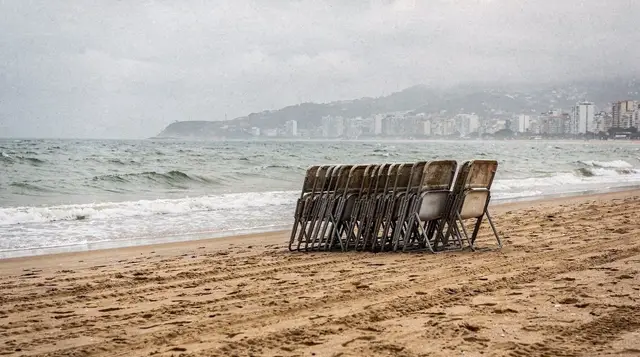
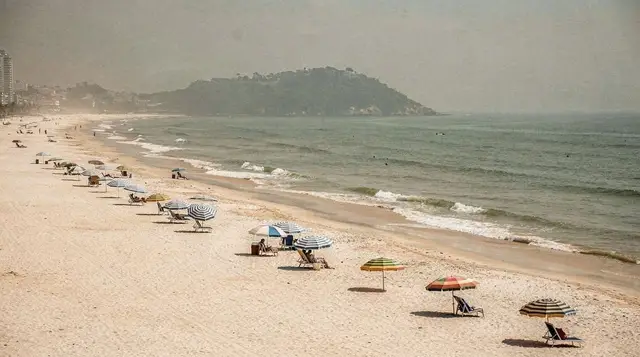
These are our own photographs of São Paulo, not the operator's pictures of this tour — open the tour page to see those.