Coffee farm tours near São Paulo
Are coffee farm tours near São Paulo worth doing?
Yes, especially given that São Paulo state itself was once a global coffee production powerhouse and the wealth from that era literally built much of the city. A farm tour, typically a half to full day trip into the interior, combines a working farm visit with tasting and usually a rural lunch, generally 100–160 km and 1.5 to 2.5 hours from the city.
Coffee is inseparable from São Paulo’s history — the wealth generated by 19th and early 20th-century coffee exports financed the grand buildings of the historic centre, funded the railways that still shape the region’s geography, and drove the waves of immigration that built the city’s population as it exists today. Visiting a working coffee farm in the state’s interior connects that history directly to something tangible: the plants, the processing, and a cup of coffee tasted close to where it was grown. This guide covers what a farm visit actually involves and how it compares to the other rural day trips near São Paulo.
| Where | Interior São Paulo state, roughly 100–160 km from the city |
| Cost | Farm tour with lunch R$150–350 (US$30–70) per person |
| Time needed | Half day for a single farm visit, full day with lunch and multiple stops |
| Getting there | Car strongly recommended; organised tours handle transport directly |
| Best time | April–September (dry season) for easier walking conditions on working farms |
Why São Paulo state was once the centre of world coffee
By the late 19th century, São Paulo state had become the largest coffee-producing region in the world, and the fortunes generated by that boom shaped the city itself — the grand commercial buildings of the historic centre, the railway network built to move coffee to the port of Santos, and the massive wave of immigration, particularly Italian, that coffee plantations relied on for labour after the abolition of slavery in 1888. That coffee-driven wealth gradually diversified into industry through the 20th century as São Paulo grew into Brazil’s manufacturing and financial capital, and coffee production itself shifted toward other Brazilian states with more suitable modern growing conditions, but the historical connection between coffee money and the city’s development remains one of the more underappreciated threads in São Paulo’s history, one that a farm visit brings to life in a way a museum plaque rarely manages.
What a farm visit actually involves
A typical coffee farm tour includes a walk through the growing area itself, an explanation of the harvesting and processing methods (varying by farm, from traditional sun-drying to more modern mechanical processing), and a tasting session covering different roasts or origins produced on-site, usually guided by someone directly involved in the farm’s operation. Many farms pair this with a rural lunch, often featuring the farm’s own produce beyond just coffee — the Brazilian coffee culture and farm lunch tour follows exactly this format, combining the educational farm visit with a full meal in a single half-day booking. For a slightly different angle, the coffee and cheese farm tour adds a dairy component, pairing coffee tasting with a look at small-scale cheese production, both breakfast and lunch included in a single longer outing.
What to actually expect from the coffee itself
Worth setting expectations honestly: while São Paulo state has deep historic ties to coffee, Brazil’s current highest-quality specialty coffee production is concentrated in other states, particularly Minas Gerais and parts of São Paulo’s own southern regions with more suitable modern growing conditions. A farm visit near São Paulo city is genuinely worthwhile for the history, the process, and a solidly good cup, but visitors specifically chasing award-winning specialty coffee should calibrate expectations toward “good and educational” rather than “the best coffee in Brazil” — that distinction matters less for most visitors than the overall experience, but it’s worth knowing going in.
Combining with wine or flowers
Given the interior region’s mix of agricultural day trips, some visitors combine a coffee farm visit with a stop on the São Roque wine route or a trip to Holambra’s flower farms, though the distances involved mean picking one as the day’s primary focus rather than trying to properly cover two in a single outing, especially given how much a rushed schedule undercuts the relaxed, unhurried appeal that all three share. The full-day private wine tour in São Roque works as a reasonable pairing if wine interests you as much as coffee, given both regions sit in a broadly similar interior direction from the city.
Coffee farm tours versus other interior day trips
| Coffee farm tours | São Roque wine route | Holambra | |
|---|---|---|---|
| Distance | ~100–160 km, 1.5–2.5h | ~60 km, 1h–1h45 | 140–150 km, 2h–2h45 |
| Best for | Coffee history, tasting, rural lunch | Wine, cachaça, countryside | Flowers, windmills (best in September) |
| Seasonal dependency | Low — farms operate year-round | Moderate — Feb–Apr harvest season | High — September is peak |
| Time needed | Half to full day | Half to full day | Full day |
Practical tips for a farm visit
Wear closed shoes suitable for walking on working agricultural land, which can be uneven and occasionally muddy depending on recent weather — this isn’t a paved, manicured tourist stop. Sun protection matters too, since much of the walking happens across open growing areas with limited shade, particularly during the hotter months outside the April–September dry season. Bring cash for any farm-shop purchases, since smaller family operations don’t always have reliable card processing this far from the city. If coffee is a specific gift-shopping priority, ask about buying beans directly at the farm — prices are generally reasonable and the beans come with a specific, traceable origin story that’s a genuinely better souvenir than a generic bag from a São Paulo shop; see what to bring home from São Paulo for how this compares to other souvenir options, and pack beans in a sealed bag within checked luggage if you’re flying onward internationally.
The immigration story behind coffee labour
Coffee’s boom years in São Paulo state depended on a massive labour force, and following the abolition of slavery in 1888, the state government and coffee producers actively recruited immigrant labour, primarily from Italy, to work the plantations — a subsidised immigration scheme that brought hundreds of thousands of Italian workers to São Paulo state within a few decades. Many settled permanently, moving eventually from farm work into the city itself, and that migration is a direct root of São Paulo’s large Italian-descended population today, visible in neighbourhoods and cultural traditions that trace back to this exact period of agricultural expansion. Visiting a historic coffee farm gives real context to that story in a way that’s easy to miss entirely if your trip stays within the city — see Italian São Paulo and how immigration built São Paulo for the fuller picture of how this history shaped the city you’re actually visiting.
Processing methods and what you’ll actually see
Coffee processing varies meaningfully by farm and by the specific method used, and a good tour walks through this in detail: the traditional dry (natural) process, where cherries are sun-dried whole before hulling, versus the wet (washed) process, which removes the fruit before drying and tends to produce a cleaner, brighter cup. Smaller, more traditional farms near São Paulo tend to lean toward natural processing methods that have been used regionally for generations, while some larger or more modern operations have adopted washed or semi-washed methods more common in specialty coffee production elsewhere in Brazil. Understanding this distinction, even briefly, changes how you taste the coffee at the end of the tour — a genuinely useful piece of context that most visitors don’t have going in.
Seasonal timing and the harvest
Brazil’s coffee harvest typically runs from around May through September, varying somewhat by specific region and altitude, and visiting during this window offers the chance to see active harvesting and processing rather than just static plants — a meaningfully different experience from an off-season visit where the farm walk focuses more on general explanation than live activity. Outside harvest season, farms still operate and tours still run, covering the same ground conceptually, but without the visual interest of an active harvest in progress. If timing is flexible, aiming for the harvest window adds a genuine layer to the visit worth planning around if coffee is a serious interest rather than a casual add-on to your trip.
What if it rains
Coffee farms are working agricultural operations, and a rainy visit doesn’t necessarily cancel the trip, but it does change what you’ll actually experience. Light rain rarely stops a farm tour outright — the growing-area walk continues under umbrellas or ponchos most operators keep on hand, and the tasting and lunch portions, held under cover, are unaffected either way. Heavier rain, more common during the December-March wet season than the drier April-September months this guide otherwise recommends, can turn unpaved farm paths genuinely muddy and occasionally prompts an operator to shorten the outdoor walking portion in favour of more time in the tasting room. If rain is forecast on your booked date, it’s worth messaging the operator the day before to check whether the itinerary will be adjusted, rather than arriving with expectations set for a dry-weather visit.
Mistakes worth avoiding
A few avoidable errors show up repeatedly among first-time visitors to this specific day trip. Wearing sandals or fashion sneakers rather than closed, sturdy shoes is the most common, and the least forgiving once you’re actually on uneven farm terrain with no way to swap footwear partway through. Booking a farm visit without checking whether lunch is included is another — some tours bundle a full meal, others don’t, and arriving hungry with no lunch plan on a half-day trip into the rural interior, well away from restaurant options, is a genuinely avoidable inconvenience.
Underestimating the drive time is a third: 100–160 km sounds short on paper, but combined with interior roads that are slower than a highway, the round trip alone can eat three or more hours of a day, which changes how much else realistically fits alongside it. Finally, treating the visit as a specialty-coffee pilgrimage rather than a cultural and historical one, covered honestly above, sets the wrong expectation before you’ve even left São Paulo.
Frequently asked questions about coffee farm tours near São Paulo
Is São Paulo state still a major coffee producer?
Less so today than during its 19th and early 20th-century peak — modern Brazilian specialty coffee production is concentrated more in Minas Gerais, though São Paulo state retains historic coffee farms and a genuine cultural connection to the industry that farm tours draw directly on.
How long does a farm tour take?
Half a day for a single farm visit with tasting, a full day if lunch and a fuller programme (like the cheese-farm combination) are included — budget roughly 5 hours for the more focused half-day option including transport.
Do I need a car?
Strongly recommended, or book an organised tour that handles transport directly — these farms sit in the interior with limited public transport access, and there’s no reliable bus route that reaches most working farms directly.
Is the coffee actually good?
Solidly good rather than award-winning specialty grade — treat the visit as educational and cultural first, with a satisfying cup of coffee as part of the experience rather than the sole draw. Visitors expecting a specialty-grade cupping session should adjust expectations toward a broader agricultural and historical experience instead.
Can I buy coffee beans directly at the farm?
Yes, generally — most farms sell beans on-site, often at better prices than retail shops in the city, with a clear, traceable origin story. Whole beans travel better than ground coffee if you’re carrying them home on a longer trip.
Is this trip suitable for kids?
Reasonably, particularly for families interested in where food comes from — walking a working farm and seeing the processing steps tends to hold children’s attention better than a purely historical museum visit, and the animals often present on cheese-combination tours add another point of interest for younger visitors.
How does this compare to coffee culture within São Paulo itself?
Different focus entirely — the coffee in São Paulo guide covers the city’s café culture and coffee shops, while a farm tour covers the agricultural origin of the product itself; the two work well as complementary rather than competing experiences, best done on separate days rather than crammed together.
Is there a specific coffee museum in São Paulo worth pairing with a farm visit?
Santos, the historic coffee-export port, has the closest thing to a dedicated coffee-history stop — the former coffee exchange building, now home to the Pelé museum, still carries visible traces of its original trading-hall function; see the Santos day trip guide for details, though it’s a separate trip from the farm visits covered here.
Coffee versus cheese: choosing the right combined tour
For visitors deciding between the two main coffee-focused tour options, the choice mostly comes down to appetite and time available: the coffee culture and farm lunch tour is the more focused, half-day option built specifically around coffee with a substantial meal attached, while the coffee and cheese farm tour extends into a fuller day covering two distinct rural products with both breakfast and lunch included. Families or groups with mixed interests — not everyone equally excited about coffee specifically — often find the broader coffee-and-cheese format gives more to talk about and enjoy across the day, while coffee enthusiasts specifically get more concentrated coffee content from the dedicated tour.
Visiting independently versus booking a tour
Some coffee farms in the region welcome independent visitors who arrange a visit directly rather than through an organised tour, though this requires more advance research and Portuguese-language communication than most short-trip visitors have the time or inclination for. An organised tour removes this friction entirely, bundling transport, a English-capable guide in most cases, and a pre-arranged farm relationship that tends to produce a smoother, more informative visit than a cold approach to an unfamiliar farm. For a first visit to the region, the organised tour route is the more reliable choice for most travellers, saving independent exploration for a return trip if the coffee-farm experience turns out to be a genuine interest worth pursuing further.
Fitting a coffee farm tour into your trip
A coffee farm day trip fits comfortably into a five-day itinerary or seven-day itinerary, any day of the week given farms generally operate on a consistent year-round schedule rather than the weekend-dependency of a destination like Embu das Artes. For visitors interested in São Paulo’s food and drink culture more broadly, it pairs well with the São Paulo food guide, and for the wider comparison of every day trip near the city, see the best day trips from São Paulo.
Best day trips from São Paulo on GetYourGuide
Verified deep-linked GetYourGuide tours. Book through these links and we earn a small commission at no cost to you.
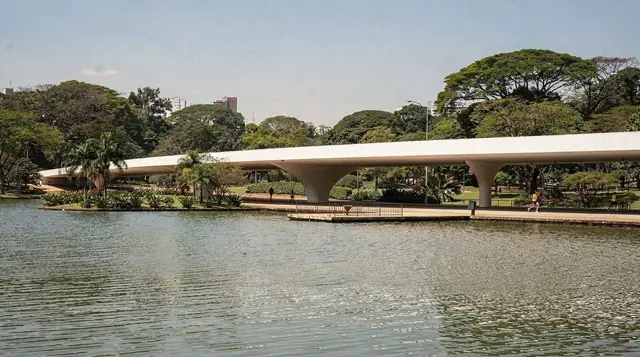
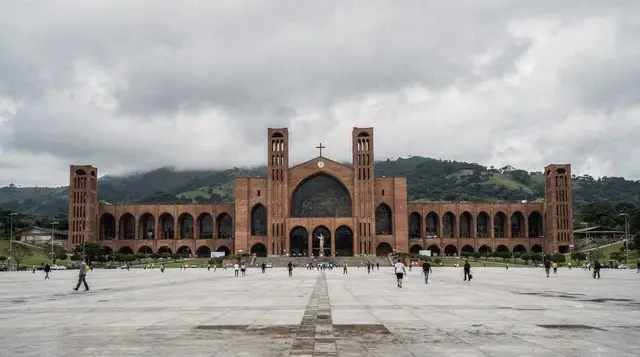
These are our own photographs of São Paulo, not the operator's pictures of this tour — open the tour page to see those.