São Paulo food guide: what to eat
What are the essential dishes to try in São Paulo?
The mortadella sandwich at Mercado Municipal, feijoada on a Saturday, rodízio churrasco, São Paulo-style thin-crust pizza, and the city's deep Japanese-Brazilian food scene in Liberdade — plus pastel, coxinha and pão de queijo as everyday snacks. São Paulo's food identity is built from immigration, so eating widely across cuisines is more authentic here than seeking one 'typical' dish.
Unlike destinations built around a single national dish, São Paulo’s food identity is genuinely plural — the product of waves of Italian, Japanese, Lebanese, Portuguese and internal Brazilian migration layered on top of each other over more than a century. Asking “what’s the typical dish here” gets you a less useful answer than asking “what does each community here eat,” because the honest answer to the first question is that there isn’t one single unifying plate the way there might be in a smaller, more homogeneous city. This guide works dish by dish rather than restaurant by restaurant, covering what’s actually worth seeking out and why.
| Signature experiences | Mortadella sandwich, feijoada, rodízio, São Paulo-style pizza, Japanese-Brazilian food |
| Cost | R$15-40 for street food and snacks; R$60-150 for a sit-down meal |
| Time needed | Best spread across your whole trip |
| Getting there | Neighbourhood-dependent — see the where to eat guide for logistics |
| Best time | Lunch for feijoada (traditionally a Saturday dish), evening for rodízio and pizza |
The mortadella sandwich
Mercado Municipal’s mortadella sandwich — a thick stack of mortadella piled between two slices of bread, sold from stalls that have operated for decades inside the market — is one of the closest things São Paulo has to a genuine culinary icon, and it’s worth the queue at least once. It’s a straightforward, almost absurdly generous sandwich rather than a refined dish, and part of its appeal is exactly that lack of pretension in a city that can otherwise feel food-scene-obsessed. Prices run higher than the sandwich’s simplicity might suggest, reflecting the market’s tourist draw — see the Mercado Municipal guide for what else is worth ordering there and what to skip, and the mortadella sandwich story for the fuller history of the dish and whether it’s worth the wait.
Feijoada
Feijoada — a rich black bean and pork stew, traditionally served with rice, collard greens, orange slices and farofa (toasted cassava flour) — is Brazil’s national dish, and in São Paulo it’s traditionally eaten at Saturday lunch, a custom still followed at many restaurants that only run their full feijoada service on that specific day. It’s a heavy, slow meal meant to be lingered over, often with caipirinhas, rather than a quick weeknight dinner. a Brazilian cooking class covering nine recipes is a good way to understand feijoada’s components if you want to actually learn the dish rather than just eat it once. See the where to eat feijoada guide for specific recommendations and timing.
Rodízio and churrasco
Brazilian barbecue, in São Paulo, is usually eaten rodízio-style — an all-you-can-eat format where servers circulate with skewers of different cuts, carving portions directly onto your plate until you signal you’re done. It’s a genuinely good-value way to sample a wide range of Brazilian beef, pork and chicken cuts in one sitting, though quality varies enormously between tourist-oriented and genuinely well-regarded churrascarias. a São Paulo food tour covering the flavors of Brazil often includes a rodízio-style stop as part of a broader introduction to the city’s food. The churrasco and rodízio guide covers how to tell a good churrascaria from a mediocre one, and typical pricing.
São Paulo-style pizza
São Paulo has its own distinct pizza tradition, a direct legacy of the same Italian immigration that shaped Bixiga, and it’s different enough from both Italian and American pizza to be worth understanding on its own terms — generally thinner-crusted, with a wider and sometimes unusual range of toppings than a traditional Neapolitan pizza would include. Bixiga remains the traditional heartland of the city’s pizza culture, with family-run pizzerias operating for multiple generations. See the São Paulo pizza guide for a serious breakdown of the style and where it’s done best.
| Best eaten | Typical cost | Where | |
|---|---|---|---|
| Mortadella sandwich | Any day, lunch | R$25-45 | Mercado Municipal |
| Feijoada | Saturday lunch | R$60-120 per person | Traditional restaurants citywide |
| Rodízio churrasco | Dinner | R$100-200 per person | Churrascarias citywide |
| São Paulo pizza | Dinner | R$50-100 for a shared pizza | Bixiga and citywide |
Japanese-Brazilian food in Liberdade
Liberdade holds the strongest concentration of Japanese food outside Japan in the Western hemisphere by most estimates, a legacy of the largest wave of Japanese immigration to any country outside Japan itself, and the food here reflects a genuine century-plus of adaptation rather than a transplanted, unchanged cuisine — expect dishes and combinations you won’t find in Tokyo alongside more traditional options. a Liberdade street food tour covers a concentrated range of this in a single guided outing. See the Japanese food in São Paulo guide and Liberdade guide for more depth.
Everyday snacks: coxinha, pastel and pão de queijo
Beyond sit-down meals, a handful of snacks show up everywhere across the city and are worth trying regardless of which neighbourhood you’re in: coxinha (a teardrop-shaped, breaded and fried chicken snack), pastel (a thin, crispy fried pastry with savoury fillings, especially good at street markets), and pão de queijo (a small, chewy cheese bread, technically from Minas Gerais but ubiquitous in every São Paulo padaria). None of these cost more than a few reais each, and they’re the most reliable, low-risk way to snack your way through a day of sightseeing without committing to a full sit-down meal. See the São Paulo street food guide for more on where to find the best versions.
Fruit you won’t recognise
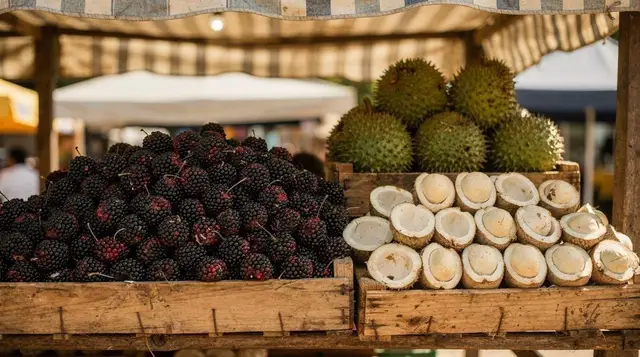
Brazil’s fruit diversity shows up constantly in São Paulo’s juices, desserts and even savoury dishes, and a meaningful number of fruits common here — açaí (in its traditional savoury form rather than the sweetened bowl version popular abroad), cupuaçu, jabuticaba, graviola — are genuinely unfamiliar to most visitors and worth actively seeking out rather than defaulting to familiar options. The Brazilian fruit guide covers what to try and where.
Drinks: coffee and cachaça
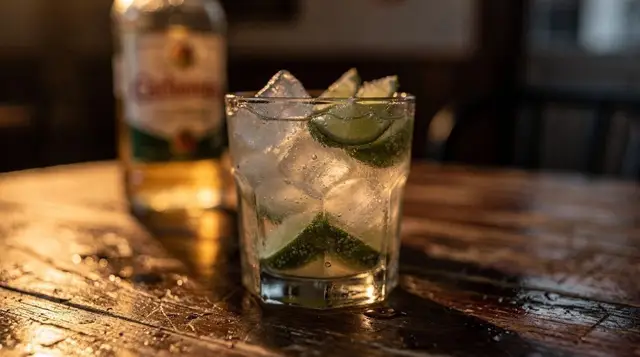
Brazil grows the coffee much of the world drinks, and São Paulo takes that seriously — beyond the quick espresso at every padaria counter, the city has developed a genuine specialty-coffee scene over the past decade, concentrated in Vila Madalena and Pinheiros. See the São Paulo coffee guide for both traditions. For something stronger, cachaça — Brazil’s sugarcane spirit — is the base of the caipirinha, the country’s signature cocktail, and quality varies far more between a well-made version and a tourist-bar one than the drink’s apparent simplicity suggests. The cachaça and caipirinha guide covers what to look for.
Markets worth eating your way through
Beyond Mercado Municipal, São Paulo’s weekly feiras livres (street markets) are a genuine, less touristy way to see the city’s food culture in action — fresh produce, prepared snacks, and a cross-section of paulistano daily life that a sit-down restaurant doesn’t offer. The São Paulo street markets guide covers the best ones by neighbourhood and day of the week, and the Praça Benedito Calixto Saturday market in particular combines food with antiques and live music — see the Praça Benedito Calixto market guide for details.
How immigration shaped what’s on the plate
It’s worth understanding the broad immigration timeline behind all of this, because it explains why São Paulo’s food map looks the way it does. Italian immigration, concentrated from the late 19th century through the early 20th, built Bixiga’s trattoria culture and the city’s distinct pizza tradition. Japanese immigration, the largest wave outside Japan itself, arrived mainly from the early 20th century onward and shaped Liberdade into the food neighbourhood it is today. Lebanese and other Middle Eastern immigration brought kibbeh, esfiha and other dishes that are now so thoroughly adopted into everyday São Paulo eating that many locals barely register them as “foreign” anymore — esfiha in particular has become a standard weeknight order across the city.
Internal migration from Brazil’s poorer North and Northeast regions, especially from the mid-20th century onward, brought regional dishes like tapioca, acarajé and moqueca into the city’s food landscape, often served in more modest, less touristy settings than the immigrant-community neighbourhoods’ more visible restaurant rows. None of this is static history — new waves of migration, including more recent Venezuelan and Bolivian communities, continue to add to what’s actually on offer across the city today.
Brazilian sweets and desserts worth seeking out
Beyond the savoury dishes covered above, São Paulo’s dessert repertoire deserves its own attention. Brigadeiro — a rich, fudgy chocolate truffle rolled in sprinkles, made from condensed milk, butter and cocoa — is the default birthday-party sweet across Brazil and shows up constantly at cafés and bakeries in small, inexpensive portions. Beijinho, its coconut-based cousin, and quindim, a glossy, egg-yolk-and-coconut baked custard with Portuguese colonial roots, round out the everyday sweets lineup you’ll see repeated across padaria counters and dedicated confeitarias (patisseries) citywide. None of these cost more than a few reais each, and trying a small assortment from a good confeitaria is a low-stakes, high-reward way to sample Brazilian dessert culture without committing to a full restaurant dessert course.
Restaurant Week and seasonal food events
São Paulo hosts a periodic Restaurant Week event in which a large number of the city’s restaurants, spanning casual to genuinely upscale, offer fixed-price lunch and dinner menus at a discount from their normal à la carte pricing — a practical way to try a restaurant you might otherwise consider too expensive for a casual visit. Dates shift year to year, so check current scheduling if this interests you rather than assuming it aligns with your travel dates. Beyond Restaurant Week specifically, look out for feira and festival food stalls tied to religious and cultural calendar dates — Festa Junina in June brings corn-based dishes (pamonha, canjica, curau) to street stalls and community events across the city, a genuinely different seasonal food layer from what’s available the rest of the year.
Coffee culture beyond the espresso counter
a Brazilian coffee culture and farm lunch tour is worth considering if you want to go beyond the city’s café scene and see where the beans actually come from — Brazil remains the world’s largest coffee producer, and a farm visit paired with lunch gives a rural counterpoint to the urban specialty-coffee scene covered in the São Paulo coffee guide, connecting the city’s café culture back to the agricultural economy that shaped São Paulo state more broadly.
Lebanese and Middle Eastern food, a quiet everyday staple
Esfiha (an open-faced savoury pastry, most commonly filled with seasoned ground beef) and kibbeh are so thoroughly woven into everyday São Paulo eating that many locals barely register them as a distinct “Lebanese food night” the way a visitor might — they’re standard weeknight takeout and delivery options across the city, sold at dedicated Middle Eastern bakeries and casual chains alike, at prices closer to street food than a sit-down ethnic-cuisine meal.
This is worth knowing specifically because it’s easy to overlook: unlike Liberdade’s clearly delineated Japanese-food geography or Bixiga’s Italian identity, São Paulo’s Lebanese food heritage doesn’t have one obvious neighbourhood attached to it, since it’s spread thin and constant across the whole city rather than concentrated. If you want to try it, any decent bakery or casual Middle Eastern counter, in almost any neighbourhood, will do — no special trip required, which is itself a small but telling sign of how completely this particular immigrant cuisine became part of everyday paulistano eating rather than staying a niche specialty.
Seasonal eating: how the food calendar shifts across the year
São Paulo’s food scene has its own seasonal rhythm worth knowing about beyond the Saturday-feijoada and June-Festa-Junina notes covered elsewhere. Summer (December–March) brings a heavier reliance on cold dishes and fresh fruit given the heat and humidity — açaí bowls and fresh juice stands see their heaviest use this time of year, and outdoor restaurant seating becomes a genuine consideration around the risk of an afternoon storm. Winter (July–August), by contrast, is when heartier dishes like rodízio churrasco and feijoada feel most fitting, and it’s also when Campos do Jordão’s cooler mountain climate draws food-focused day-trippers specifically for its fondue and heartier European-style menus, a genuine seasonal outlier within otherwise tropical São Paulo state. Planning your dish priorities loosely around the season you’re visiting in, rather than treating this guide as a fixed checklist regardless of month, makes for a more naturally paced food itinerary.
Frequently asked questions about São Paulo food
What is the one dish I should try if I only have time for one?
The Mercado Municipal mortadella sandwich is the closest thing to a must-try single dish — quick, iconic, and genuinely part of the city’s food identity.
Is feijoada available every day?
Some restaurants serve it daily, but the tradition is specifically Saturday lunch, and many of the best versions are only available on that day — check ahead if feijoada is a priority.
Is São Paulo pizza different from Italian pizza?
Yes, noticeably — generally thinner-crusted with a different and sometimes wider range of toppings, shaped by over a century of local adaptation since Italian immigration.
Where’s the best Japanese food outside Japan itself?
Liberdade is widely considered among the strongest concentrations of Japanese food outside Japan, reflecting the scale of Japanese immigration to Brazil.
What should I eat if I’m vegetarian?
São Paulo’s contemporary restaurant scene, particularly in Pinheiros and Vila Madalena, includes a genuine number of dedicated vegetarian and vegan kitchens — see the vegetarian and vegan São Paulo guide.
Is street food safe in São Paulo?
Generally yes at busy stalls and padarias with high turnover — the same common-sense rule that applies in most food-forward cities.
How much should I budget for food per day?
Roughly R$100-250 per day covers casual meals plus one proper sit-down dinner; add more for any fine-dining splurge.
A note on portion sizes and sharing
Brazilian restaurant portions, especially for shared appetisers, pastel and pizza, tend to run generously large — a single order of pastel or a shared pizza is often enough for two or three people rather than one, and rodízio in particular is designed around the assumption you’ll pace yourself across an extended meal rather than filling up on the first round of skewers. If you’re travelling in a group, ordering to share rather than one dish per person is both more economical and closer to how Brazilians actually eat in casual settings — worth keeping in mind so you don’t over-order (and over-pay) on your first night before you’ve calibrated to local portion sizes.
Fitting São Paulo’s food into your trip
Spread these dishes across your whole stay rather than trying to eat everything in one day. A dedicated food lover’s São Paulo itinerary builds a multi-day route around exactly this kind of dish-by-dish exploration; on a shorter three-day trip, prioritise feijoada if your visit includes a Saturday, and the mortadella sandwich and rodízio as flexible any-day options. See the where to eat in São Paulo guide for the neighbourhood-by-neighbourhood logistics behind all of this.
São Paulo food & drink tours on GetYourGuide
Verified deep-linked GetYourGuide tours. Book through these links and we earn a small commission at no cost to you.
These are our own photographs of São Paulo, not the operator's pictures of this tour — open the tour page to see those.