Clubbing in São Paulo
What's São Paulo's club scene actually like?
Serious and internationally respected, especially for electronic music — São Paulo regularly hosts major international DJs and has clubs ranked among the world's best. Vila Olímpia and Itaim Bibi hold most of the mainstream venues; the night doesn't peak before 1am. Cover charges run R$60–150.
São Paulo’s club scene punches well above its weight internationally — the city is a regular stop for major touring DJs and has produced its own respected electronic music culture, distinct from the beach-club energy associated with Rio. This guide covers the practicalities: where the clubs are concentrated, how the night is timed, and what to expect at the door.
| Where | Vila Olímpia and Itaim Bibi hold most mainstream venues |
| Cost | R$60–150 cover, sometimes including a drink |
| Time needed | Doors around 11pm; the room peaks 1am–4am |
| Getting there | Rideshare is the standard way in and out |
| Best time | Friday and Saturday for the biggest nights; check specific line-ups, since one-off events drive the scene as much as regular weekly nights |
Why São Paulo takes clubbing seriously
Brazil’s economic weight and São Paulo’s sheer population have made the city a genuine stop on the international electronic music circuit, not a regional afterthought — major festivals and touring DJs regularly include São Paulo alongside cities like Berlin and Ibiza on South American legs of their schedules. The scene has deep local roots too, particularly in house and techno, with a dedicated crowd that treats clubbing as a serious cultural pursuit rather than just a night out.
Where the clubs are
Vila Olímpia and neighbouring Itaim Bibi hold the highest concentration of the city’s larger, more mainstream clubs — polished venues, strong production values, and a crowd that tends to dress accordingly. This is the area to head to for a big-production club night with a well-known line-up. Rua Augusta and the surrounding Consolação area offer a rougher-edged, more alternative alternative, with smaller venues and a stronger connection to the city’s underground and LGBTQ+ scenes — see the LGBTQ+ nightlife in São Paulo guide for specifics there.
A bars and clubs walking tour is a practical way into this scene on a first visit, since it’s built around venues that welcome visitors without requiring insider knowledge of guest lists or which nights are worth going to.
Genres beyond house and techno
While house and techno dominate São Paulo’s most internationally recognised clubs, the city’s music scene is wider than that alone. Brazilian funk (funk carioca and its São Paulo variants) has become a genuine mainstream force, with dedicated club nights and a sound distinct from anything in the electronic mainstream — heavy bass, rapid-fire lyrics, and roots in Rio’s favela sound systems that have since spread nationally. Sertanejo, Brazil’s country-pop equivalent and the country’s best-selling music genre by some measures, has its own dedicated venues and a completely different crowd and dress code from the electronic scene — worth knowing about even if it’s not your specific interest, since it’s a bigger part of mainstream Brazilian nightlife than international visitors typically expect. Hip-hop and Brazilian rap have a smaller but committed club presence too, particularly in more alternative venues around Vila Madalena and Rua Augusta.
Big events and festivals to know about
São Paulo’s club calendar includes major recurring events worth checking against your travel dates. The city hosts stops on international festival tours throughout the year, and specific major clubs run marquee events with globally recognised headliners that draw crowds well beyond the venue’s normal capacity — checking listings before you travel, rather than assuming any given weekend will have something notable on, makes a real difference to what kind of night you’ll actually get. Pride month (June) brings an especially dense calendar of LGBTQ+-focused club events across the city, tied to São Paulo’s Parada LGBT+, one of the largest Pride celebrations in the world.
Timing: don’t show up early
This is the detail that trips up most visitors. Doors might open at 11pm, but the room stays half-empty until well after midnight — Brazilians eat dinner late (8pm–9pm is standard) and treat the evening as a long, gradual build rather than an early peak. Arriving at 11pm expecting a full room will just get you an empty dance floor and a confused sense that you picked the wrong club. Plan a late dinner, a bar stop afterward, then arrive at the club around 1am for something closer to peak energy, and expect the night to run until 4am or later on weekends.
Getting tickets and navigating entry
For major events with international headliners, tickets typically go on sale online weeks or months ahead through the venue or promoter’s own channels, and the biggest nights can sell out — if there’s a specific event you’ve read about before your trip, buy ahead rather than assuming door entry will be available. For regular weekly club nights without a headline act, walk-in entry at the door is standard, sometimes with a slightly lower cover if you arrive before a certain time (an “early bird” discount some venues offer to fill the room before midnight). Guest lists exist at some venues and can reduce or waive the cover charge, but they’re generally arranged through promoters or hotel concierges rather than something a visitor can access independently — worth asking your accommodation if a specific club is a priority.
Cover charges and dress code
Expect R$60–150 for entry depending on the venue and the night’s line-up, sometimes including a drink token. Dress code leans upscale at the Vila Olímpia and Itaim Bibi venues — smart, put-together clubwear rather than casual streetwear; some doors are stricter than others, so err on the side of dressing up if you’re unsure. The Rua Augusta scene is generally more relaxed and expression-forward rather than formal.
| Vila Olímpia / Itaim Bibi | Rua Augusta / Consolação | |
|---|---|---|
| Scale | Large, polished venues | Smaller, more underground |
| Dress code | Upscale, put-together | Relaxed, expressive |
| Music | Mainstream electronic, commercial | Alternative, techno, LGBTQ+ focused |
| Cover | R$80–150 | R$40–100 |
Drinks and pricing inside the club
Expect club drink prices to run noticeably higher than a street-level bar — a beer that costs R$15 at a boteco can easily run R$25–35 inside a club, and cocktails often start around R$40. Some venues sell drink tokens as part of the cover charge, worth checking when you pay entry so you’re not caught out expecting a free drink that isn’t included. Bottle service, where a table and a full bottle are purchased upfront, is available at the more upscale Vila Olímpia and Itaim Bibi venues and is a genuine option if you’re going with a group and want a reserved space away from the main floor, though it’s a significant additional cost over general entry.
Practical safety notes
Clubs in these areas are generally well-run and secure, with bag checks and staffed entrances standard at larger venues. The bigger risk is the same as anywhere else at night in São Paulo: getting home. Book a rideshare from inside the venue or a well-lit area near the entrance rather than walking to find one on a quiet street, and avoid displaying your phone openly while waiting. The going out safely in São Paulo guide covers this in more depth.
If clubbing isn’t quite your speed
Not every night out needs to end at a club — a lower-key alternative that still delivers a proper São Paulo night is a panoramic tour combining views with a barbecue dinner, a good option if you want atmosphere and a late night without the loud dance-floor commitment. The panoramic night tour with barbecue dinner covers this format directly.
A brief history of São Paulo’s electronic music scene
São Paulo’s serious house and techno scene traces back to a handful of pioneering venues and DJs from the late 1990s and early 2000s, a period when Brazilian electronic music was still developing its own identity distinct from imported European and American sounds. D-Edge, which opened in the Barra Funda area in 2003, became one of the scene’s defining venues and has appeared on international best-club rankings repeatedly in the years since, giving São Paulo a genuine anchor institution the way Berlin has Berghain or London has fabric — a venue whose reputation extends well beyond the city itself and draws international electronic music tourists specifically.
The broader scene grew alongside this anchor, with a generation of Brazilian DJs and producers building international careers from a São Paulo base rather than needing to relocate to Europe or North America to be taken seriously, a shift that’s continued to the present. This history matters for a visitor’s expectations: São Paulo’s electronic scene isn’t simply importing an international festival circuit wholesale, it has its own multi-decade lineage and local production talent, which is part of why the city holds up seriously against far larger and longer-established electronic music capitals.
How São Paulo’s club scene compares internationally, by the numbers
For visitors calibrating expectations against other major clubbing cities, a few concrete comparisons help. Cover charges at São Paulo’s top clubs, R$60-150 (roughly US$11-27), sit well below equivalent venues in Berlin, London or New York, where a comparable club night can easily run US$30-60 or more at the door. Several São Paulo and Brazilian clubs have placed on the DJ Mag Top 100 Clubs list in various years, a globally recognised industry ranking, putting the city in genuine competition with far wealthier clubbing capitals for international attention despite the price difference.
Drink prices inside São Paulo clubs, while higher than street-level bars, still land below equivalent big-city club pricing internationally, meaning the full cost of a serious club night here — cover plus drinks — typically runs at a fraction of the same experience in Europe’s or North America’s best-known electronic music cities, without a corresponding drop in production quality or DJ calibre at the top venues.
Common mistakes first-timers make
A few mistakes come up repeatedly among visitors experiencing São Paulo’s club scene for the first time. Arriving too early is the most common, covered above, but a close second is underestimating dress codes at Vila Olímpia and Itaim Bibi venues specifically — casual streetwear that would pass without comment at a European or North American club can occasionally draw a second look or an outright refusal at the door of São Paulo’s more upscale venues, so it’s worth erring toward smarter dress if you’re unsure rather than assuming any club will be casual.
A third mistake is not checking listings before committing to a specific venue, then being disappointed by a quiet resident-DJ night at a club whose reputation was built on marquee touring acts — the difference between an ordinary Tuesday and a headline Saturday at the exact same venue can be substantial, and checking what’s actually on before you go avoids this gap between expectation and reality. A fourth, more safety-oriented mistake is walking even a short distance to find a rideshare rather than booking one from directly outside the venue or a well-lit area near the entrance.
Brazilian funk’s rise, briefly
Funk carioca’s spread from Rio’s favelas into mainstream Brazilian club culture, including São Paulo’s own scene, is one of the more significant Brazilian music stories of the past two decades. What began as a distinctly local Rio sound, built around heavy bass and rapid, often improvised lyrics performed at community baile funk parties, has since become one of Brazil’s most commercially dominant genres, with São Paulo developing its own regional variations and dedicated club nights rather than simply importing Rio’s version wholesale. This matters for a visitor’s expectations of São Paulo nightlife specifically: alongside the house-and-techno scene that gets more international press coverage, funk represents an equally real, arguably larger slice of what Brazilians themselves are actually dancing to on a given weekend, and it’s worth experiencing at least once even if electronic music is the main draw of your trip.
Smaller, more local club nights worth knowing about
Beyond the marquee Vila Olímpia and Itaim Bibi venues that dominate most visitor-facing recommendations, São Paulo has a genuine ecosystem of smaller, one-off club nights — often held at unconventional venues (warehouses, rooftop spaces, converted industrial buildings) rather than a fixed dedicated club — organised by promoters and collectives with a loyal following among local electronic music fans. These nights are harder to find without some local knowledge or active social media following of the specific promoter, and they’re generally not the first recommendation for a first-time visitor, but they’re worth knowing about if your trip runs long enough to look beyond the standard venues, or if a Brazilian friend or contact can point you toward what’s happening on a given weekend. This is where a genuine, undiluted slice of the local scene tends to live, distinct from the more polished, visitor-accessible venues covered in the rest of this guide.
Frequently asked questions about clubbing in São Paulo
What time should I actually arrive at a club?
Not before 1am if you want to catch the room at its fullest — doors open around 11pm, but it’s genuinely quiet until well after midnight.
Is São Paulo’s club scene internationally respected?
Yes — the city is a regular stop for major touring DJs and has a strong local house and techno scene with real depth beyond mainstream commercial clubs.
What should I wear?
Smart, put-together clubwear for Vila Olímpia and Itaim Bibi venues. Rua Augusta’s alternative scene is more relaxed about dress code.
How much does a night out clubbing cost?
R$60–150 for cover, plus drinks inside (often pricier than street-level bars) — budget R$200–400 total for a full night depending on how much you drink.
Is it safe to go clubbing alone?
Yes with standard precautions — venues themselves are secure, and the main risk factor is transport before and after, best handled with a rideshare rather than walking.
Do I need to book tickets in advance?
For major touring DJs and one-off events, yes — these can sell out. For regular weekly club nights, walk-in entry is usually available.
Is São Paulo’s scene more electronic-focused than Rio’s?
Generally yes — São Paulo has a stronger reputation specifically for house and techno, while Rio’s nightlife leans more toward beach-adjacent and funk-influenced scenes.
Is Brazilian funk a big part of São Paulo nightlife?
Yes — it’s a mainstream force with dedicated club nights and a huge national following, distinct from the house and techno scene that gets more international attention.
Should I check event listings before choosing a club?
Yes — major clubs run marquee events with globally recognised headliners on specific nights, and the difference between a big event night and a regular resident-DJ night at the same venue can be significant.
Is São Paulo’s Pride month nightlife worth planning a trip around?
If LGBTQ+ nightlife interests you, June is genuinely worth targeting — São Paulo’s Parada LGBT+ is one of the largest Pride celebrations in the world, and the club calendar around it is especially dense.
Fitting this into your trip
A club night works best when it’s not the night before an early start — build it into a weekend or later day of a three-day itinerary when you can sleep in afterward.
São Paulo nightlife on GetYourGuide
Verified deep-linked GetYourGuide tours. Book through these links and we earn a small commission at no cost to you.
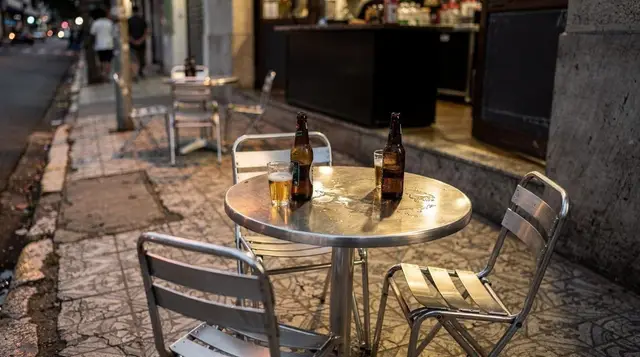
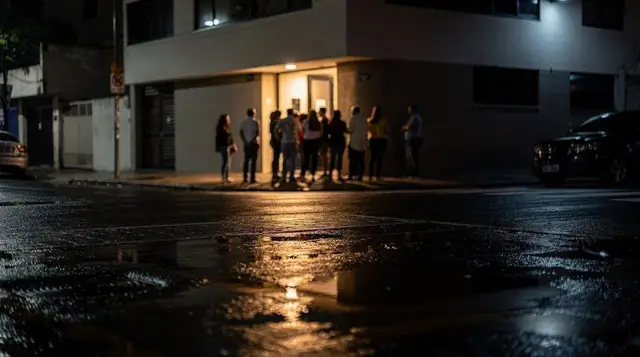
These are our own photographs of São Paulo, not the operator's pictures of this tour — open the tour page to see those.