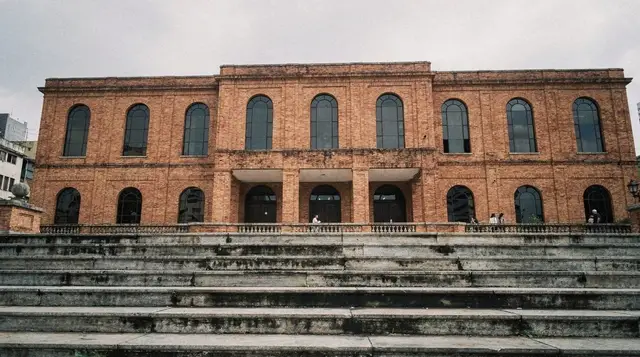
Praça Benedito Calixto Saturday market
What is the Praça Benedito Calixto market and when does it happen?
It's a Saturday-only outdoor market in a leafy square in Pinheiros, mixing antiques, vintage records and crafts stalls with food vendors and, in the late afternoon, live samba. It runs roughly 9am to 6pm on Saturdays only — closed the rest of the week.
Praça Benedito Calixto, a shaded square in Pinheiros, transforms every Saturday into one of São Paulo’s most enjoyable markets — a mix of genuine antiques dealers, vintage vinyl stalls, handmade jewellery and crafts, alongside a solid spread of food vendors. Unlike Rua 25 de Março’s wholesale chaos, this is a browsing market, unhurried and genuinely pleasant to spend a few hours in, especially once live samba starts up in the late afternoon.
| Where | Praça Benedito Calixto, Pinheiros |
| Cost | Free to browse; purchases from R$20 for small crafts to R$500+ for genuine antiques |
| Time needed | 2–3 hours |
| Getting there | Metro to Faria Lima or Fradique Coutinho, then a 10–15 minute walk |
| Best time | Saturday, 10am–4pm; live samba typically starts mid-to-late afternoon |
Why Saturday specifically
The market’s Saturday-only schedule isn’t arbitrary — it reflects a broader pattern in São Paulo where several of the city’s best local traditions cluster around the weekend rather than spreading evenly through the week, from feiras livres in other neighbourhoods to the Avenida Paulista car-free Sunday covered elsewhere on this site. If your trip is short and you’re trying to decide which day to allocate to Pinheiros, Saturday is unambiguously the better choice, since the market adds a layer of atmosphere and activity that simply isn’t there on other days, regardless of how appealing the neighbourhood’s shops and restaurants are on their own.
What’s actually for sale
The market’s core identity is antiques and vintage — furniture, old cameras, vinyl records, jewellery and vintage clothing from dealers who’ve often held the same stall for years. Around this sits a newer layer of handmade crafts, art and independent design, reflecting Pinheiros’ broader creative-neighbourhood character. It’s a genuinely good spot for a unique find rather than mass-produced souvenirs, though prices for anything labelled as genuine antique reflect that — bargains exist, but they take some looking.
The food stalls
Food is a substantial part of the draw, not an afterthought — pastel stalls, tapioca crepes, fresh coconut water and a rotating cast of small vendors selling regional specialities make this a legitimate lunch stop as much as a shopping trip. It pairs naturally with the wider São Paulo street food scene covered in São Paulo street food.
Live samba in the late afternoon
As the market winds down in the late afternoon, informal samba circles (rodas de samba) often form around the square’s edges — musicians playing acoustically, a crowd gathering, sometimes dancing. This isn’t a scheduled, guaranteed performance so much as an organic feature of how the afternoon tends to unfold, and it’s one of the more atmospheric free things to experience in the city on a Saturday. For more on where live music happens more broadly, see live music in São Paulo and where to hear samba in São Paulo.
The antiques scene specifically
For serious antiques collectors, Benedito Calixto is worth understanding as part of a small but genuine ecosystem of São Paulo antiques dealers, several of whom also maintain permanent shops elsewhere in the city and treat the Saturday market as a chance to reach a broader, more casual browsing audience. Furniture pieces here range from mid-century Brazilian design — a genuinely significant and increasingly internationally recognised category, given Brazil’s strong twentieth-century furniture design tradition — to smaller decorative items like ceramics, clocks and vintage cameras. If you’re seriously interested in a specific category, arriving early, before the best pieces are picked over, matters more here than at almost any other market in the city.
The vinyl record stalls
A dedicated cluster of stalls specialising in vinyl records — Brazilian MPB, samba, bossa nova and international pressings — draws a loyal following of collectors, both local and visiting, and is often cited as one of the best places in the city to dig for Brazilian music specifically. Even without a turntable at home, browsing the covers alone is worthwhile for the graphic design and cultural history on display, spanning decades of Brazilian recorded music. This pairs naturally with the wider context in live music in São Paulo if recorded and live music both interest you.
Benedito Calixto versus other São Paulo markets
| Benedito Calixto | Rua 25 de Março | Feiras livres (neighbourhood produce markets) | |
|---|---|---|---|
| Frequency | Saturdays only | Daily except Sunday | Different day per neighbourhood, weekly |
| Focus | Antiques, crafts, vintage | Bulk goods, bargains | Fresh produce, local food |
| Atmosphere | Relaxed, social | Dense, fast-paced | Practical, everyday |
| Best for | Browsing, unique finds, music | Cheap bulk purchases | Fresh food, local colour |
Full detail on the everyday produce-market version of this is in São Paulo’s street markets (feiras livres).
A guided way to explore Pinheiros further
If the market is just one stop on a broader Pinheiros day, the coolest urban scenes bike tour or a dedicated flavors of Brazil food tour both extend the day with structured activity beyond the market itself.
How the market has evolved
Benedito Calixto has run for decades, and long-time visitors sometimes note it’s grown more polished and slightly more expensive over the years as its reputation spread beyond a purely local audience — a familiar trajectory for beloved neighbourhood markets anywhere. It remains, however, considerably less tourist-oriented than markets in more heavily visited cities, and the core character — genuine dealers, a real local Saturday routine, music that happens because people show up to play rather than because it’s scheduled — has held up well. It’s a useful reminder that “discovering” a market like this doesn’t mean discovering something undiscovered; it means joining a decades-old local tradition as a guest.
Getting there and around Pinheiros
The square sits within Pinheiros, one of São Paulo’s most walkable and creatively dense neighbourhoods — worth building extra time around if the market is only part of your day. Full neighbourhood context is in the guide to Pinheiros and the Pinheiros destination page. A guided option like the Pinheiros street art and spray experience combines well with a Saturday market visit if you want a structured activity either side of browsing.
The square itself, beyond market days
Praça Benedito Calixto is worth a mention even outside Saturday market hours — a genuinely pleasant, tree-shaded neighbourhood square in the heart of Pinheiros, surrounded by cafes and bars that make it a reasonable stop any day of the week, just without the stalls and crowds. If your visit happens to fall on a weekday, it’s still worth a passing look if you’re already exploring Pinheiros, though the market itself is the main reason most visitors specifically plan around this location.
Practical shopping tips for the market
Bring cash in a mix of denominations — many antiques dealers and smaller crafts stalls don’t reliably take cards, and having exact or close-to-exact change speeds up transactions and sometimes helps with negotiating a better price. If you’re seriously considering a larger purchase like furniture, ask about shipping options before committing, since transporting anything beyond hand-luggage size home requires either checked luggage capacity or a separate shipping arrangement with the dealer. Bargaining is expected but should stay polite and proportionate — a modest opening counter-offer rather than an aggressive lowball tends to get a better response from dealers who’ve been doing this for years.
Frequently asked questions about the Benedito Calixto market
What time should I arrive?
Mid-morning, around 10am, gives you the market at a comfortable browsing pace before the busiest midday crowds; stay through late afternoon if you want to catch the samba.
Is it open on Sundays?
No — Saturday only. Confirm this before planning a Sunday visit, since it’s a common point of confusion for first-time visitors.
Are prices negotiable?
Yes, modestly, particularly for antiques and higher-priced items — a polite offer is normal and often expected.
Is it good for gifts and souvenirs?
Yes, for handmade crafts and unique vintage items more than mass-produced souvenirs — see also what to bring home from São Paulo.
Is the market family-friendly?
Yes, it’s a relaxed, open-air environment with food options that work well for kids, though stroller access can be tight in the busiest stretches.
How does the weather affect the market?
Being fully outdoors, heavy rain significantly reduces stalls and crowds — check the forecast, particularly during São Paulo’s summer storm season.
Can I ship a large antique purchase home?
Some dealers offer shipping arrangements for larger items; confirm cost and logistics directly with the vendor before committing to a purchase you can’t carry yourself.
Is the market walkable from Vila Madalena?
Yes, it’s a reasonable 15–20 minute walk or short rideshare from central Vila Madalena, making it easy to combine both neighbourhoods in a single Saturday.
What makes this different from a typical tourist market
Unlike markets built primarily around visitor spending, Benedito Calixto’s core customer base remains local — São Paulo residents who’ve been coming for years, dealers who know their regulars, and a genuine neighbourhood social rhythm that continues regardless of how many visitors show up on a given Saturday. This shows up in small ways: prices aren’t inflated for obvious tourists in the way they sometimes are at more visitor-dependent markets elsewhere, vendors are generally happy to chat about a piece’s history rather than just push a sale, and the overall pace rewards lingering and conversation over a fast browse-and-buy transaction.
How it compares to other Brazilian antiques fairs
Benedito Calixto isn’t the only weekly antiques market in Brazil, and it’s worth a moment of comparison for anyone who’s encountered the format elsewhere in the country. Rio de Janeiro runs its own long-standing antiques fair at Praça XV de Novembro downtown, generally considered the closest equivalent in feel and scale, though set in a more purely commercial, less residential square than Benedito Calixto’s leafy, tree-shaded setting in Pinheiros. Compared to European flea markets like Paris’s marchés aux puces, São Paulo’s version is smaller and more manageable in a single visit — a few hours covers it comfortably, rather than the full-day commitment a major European flea market can demand. For a visitor who’s done one of these elsewhere and wonders if São Paulo’s version is worth the detour, the honest answer is yes on its own merits, distinct enough in character — the live samba especially — that it doesn’t feel like a repeat of a format you’ve already seen.
What serious collectors look for beyond furniture and vinyl
Beyond the mid-century furniture and record stalls already covered, a smaller but dedicated cluster of dealers specialises in paper ephemera and decorative tiles that reward a closer look. Azulejos — the painted decorative tiles with roots in Portuguese colonial architecture, still visible on building façades across older parts of the city — turn up individually or in small salvaged sets at a handful of stalls, a genuinely distinctive souvenir category for anyone interested in Brazilian architectural history. Old books, postcards and photographs, some documenting São Paulo’s own mid-20th-century transformation from a smaller regional city into a sprawling metropolis, are another niche worth a slow browse if that kind of ephemera interests you — prices are generally modest compared to furniture or vinyl, making this one of the more accessible categories for an impulse purchase.
Accessibility, shade, and a rainy-day backup plan
The square itself is flat and generally manageable for wheelchair users and strollers on the main paths, though the density of stalls on a busy Saturday afternoon can make navigating a wheelchair or pram through the narrowest aisles genuinely tight — arriving earlier in the morning, before the midday crowd peaks, gives considerably more room to move. Mature trees provide real shade across most of the square, a meaningful comfort during São Paulo’s hot summer months when an entirely open-air market elsewhere in the city can become uncomfortable by early afternoon. If rain cancels or thins out your Saturday plans, Pinheiros itself doesn’t require the market to justify a visit — the neighbourhood’s cafés, restaurants and shops covered in the Pinheiros guide work as a rainy-day fallback within the same short walk.
Pinheiros’ transformation and the market’s part in it
The market’s decades-long run has tracked closely with Pinheiros’ own evolution from a quieter, more purely residential district into one of São Paulo’s most creatively dense and sought-after neighbourhoods. As young professionals, designers and independent businesses moved in over the past couple of decades, the Saturday market’s crafts and design layer grew alongside the antiques trade that anchored it originally, each reinforcing the other’s audience. It’s a useful small case study in how a long-running local institution can both shape and be shaped by a neighbourhood’s broader gentrification, a dynamic covered in more general terms in the São Paulo neighbourhoods explained guide.
What happens to the square during the week
Understanding what Praça Benedito Calixto looks like the other six days of the week helps put the Saturday transformation in perspective. On a Tuesday or Wednesday, it’s a fairly ordinary neighbourhood square — a few people walking dogs, a handful of locals reading on a bench, cafés along the perimeter operating at their usual pace. The scale of the Saturday change, with several hundred stalls and a genuine crowd filling the same space, is dramatic enough that longtime residents still describe it as watching the square’s whole character shift for a single day before reverting back the moment the last stall packs down. That contrast is part of why timing genuinely matters here more than almost anywhere else on a typical São Paulo itinerary — there’s no partial or diminished version of this experience available on any other day.
A note on photography at the market
Photographing stalls, goods and the general atmosphere is generally welcome and common — plenty of visitors and locals alike photograph the market’s more visually striking corners, from the vinyl stacks to the flower stands. As with most markets anywhere in the world, it’s courteous to ask before photographing an individual dealer directly or a specific person browsing, rather than assuming every stall is fair game for a close-up shot without a quick word first. Most vendors are relaxed about it, especially if you’re clearly also browsing or buying rather than only taking pictures and moving on, but a friendly “posso tirar uma foto?” (can I take a photo?) goes a long way if you want a specific, closer shot of someone’s stall or work.
Fitting the market into your trip
If your visit includes a Saturday, this is one of the easiest highlights to build a morning or afternoon around — pair it with a Pinheiros or Vila Madalena wander given their proximity, covered in the Pinheiros guide. On a weekend itinerary, it’s a natural Saturday anchor. On a longer five-day itinerary, plan which day falls on a Saturday early, since this is one of the few fixed-schedule highlights worth building the rest of your week around.
Shopping & market tours on GetYourGuide
Verified deep-linked GetYourGuide tours. Book through these links and we earn a small commission at no cost to you.
These are our own photographs of São Paulo, not the operator's pictures of this tour — open the tour page to see those.