São Paulo neighbourhoods explained
What are São Paulo's main neighbourhoods and how do they differ?
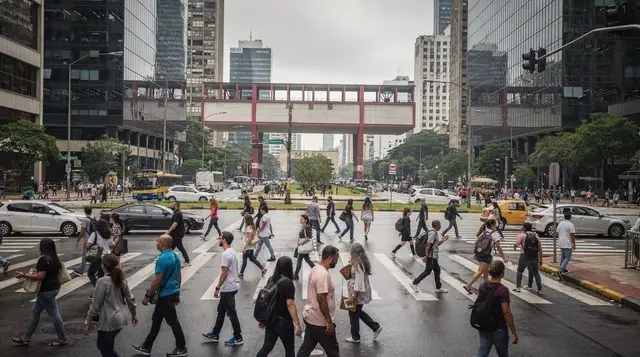
Paulista and Jardins are the central, business-and-culture core. Vila Madalena and Pinheiros are street art and nightlife. Centro Histórico is the historic downtown, worth a day visit but not for staying. Liberdade is Japanese heritage. Itaim Bibi and Vila Olímpia are upscale and business-focused. Moema and Brooklin are residential and food-forward. Each is genuinely distinct — São Paulo doesn't have one centre, it has a dozen.
Understanding São Paulo means understanding it doesn’t have a centre in the way most cities do — no single downtown that everything else relates to. Instead it has a set of distinct bairros, each shaped by a different wave of immigration, economic development or urban planning decision, and each with its own character, restaurants and reason to visit. This guide is the reference map: what each major neighbourhood is actually like, who it suits, and how they connect to each other.
For the specific question of where to sleep, see the where to stay in São Paulo guide; this one is about understanding the city’s geography and character more broadly.
| Where | Citywide — this guide covers the dozen or so neighbourhoods visitors actually spend time in |
| Cost | Free to understand; getting between them costs standard metro/rideshare fares |
| Time needed | A full trip to experience more than two or three properly |
| Getting there | Metro Lines 1, 2, 3 and 4 connect most of the below |
| Best time | Any — this is a reference guide, not a scheduled visit |
Avenida Paulista and Jardins: the central core
Paulista is São Paulo’s civic and financial spine — banks, cultural centres, MASP — while Jardins, just south of it, is upscale, leafy and residential, full of design boutiques and some of the city’s best restaurants. Together they form the most practical base for a first-time visit: central, safe, well connected. A Paulista Avenue highlights walking tour covers the avenue’s key buildings efficiently. See the guide to Avenida Paulista and guide to Jardins.
Vila Madalena and Pinheiros: street art and nightlife
These two adjoining neighbourhoods on the west side hold São Paulo’s best-known street art (Beco do Batman) and its most reliable concentration of bars and casual restaurants. Vila Madalena leans more bohemian and nightlife-focused; Pinheiros is slightly more residential with a strong food scene of its own. A São Paulo street art tour covers both. See the guide to Vila Madalena and guide to Pinheiros.
Centro Histórico: the historic core, visit-only
The original downtown — Praça da Sé, Theatro Municipal, Edifício Copan — has the densest concentration of historic and modernist architecture in the city, but it’s not a neighbourhood most visitors choose to stay in: it empties out fast after 6pm and on Sundays, and the area around Cracolândia near Luz needs specific awareness. Visit by day, base yourself elsewhere. A Jewish history downtown walking tour is one strong way to see it properly. See the guide to the historic centre.
Liberdade: the largest Japanese community outside Japan
Grown from early 20th-century Japanese immigration, Liberdade has its own distinct character — red torii-style gates, a Saturday street market, and the city’s best concentration of Japanese and pan-Asian restaurants. A guided walking tour of Liberdade and Templo Lohan covers the neighbourhood’s temples and history. See the guide to Liberdade.
Itaim Bibi and Vila Olímpia: business and upscale nightlife
South of Jardins, these two neighbourhoods form São Paulo’s modern business district — glass office towers, upscale bars and restaurants, and a nightlife scene aimed more at professionals than backpackers. Worth knowing about if your trip has a business component, or if you want a more polished, less bohemian evening than Vila Madalena offers. See the guide to Itaim Bibi and Vila Olímpia.
Moema and Brooklin: residential, food-forward, quieter
South and east of Ibirapuera Park, Moema and Brooklin are largely residential neighbourhoods with a strong, locals-oriented food scene and easy access to the park. They see fewer tourists than Paulista or Vila Madalena, which for some visitors is exactly the appeal — a genuinely lived-in slice of the city rather than a curated visitor experience.
Bixiga: Italian heritage and old-school São Paulo
Bordering Jardins and Centro, Bixiga carries the city’s Italian immigration history — traditional cantinas, a strong theatre scene, and one of the last pockets of the city that still feels architecturally older and less redeveloped than its surroundings. See the guide to Bixiga and Italian São Paulo guide.
Paraisópolis and the favelas
São Paulo’s favelas, including Paraisópolis (one of the largest in the city), aren’t neighbourhoods to explore independently, but they’re an important and often overlooked part of the city’s fabric — genuinely worth understanding through a responsible, community-connected tour rather than avoiding entirely or visiting inappropriately. See the favela tours in São Paulo, honestly guide and Paraisópolis explained guide.
Perdizes and Pompeia: an architecture-and-football pocket worth a specific trip
West of Higienópolis and north of Pinheiros, Perdizes and Pompeia rarely make a first-timer’s list, but they hold two genuinely significant reasons to visit. Perdizes is home to Allianz Parque, Palmeiras’ stadium, and the neighbourhood’s streets fill with green-and-white on matchday — see the Palmeiras guide for the full stadium experience.
Neighbouring Pompeia holds SESC Pompeia, one of Lina Bo Bardi’s most celebrated works alongside MASP: a former 1930s industrial drum factory she converted in the late 1970s into a sports and cultural centre, keeping the original factory sheds largely intact while adding a pair of raw-concrete brutalist towers, connected by irregular, deliberately playful walkways, that house the site’s pools and sports courts. It’s a working cultural centre rather than a museum, still hosting exhibitions, theatre, a library and a genuinely excellent casual restaurant, and it draws far fewer international visitors than MASP despite being arguably just as significant architecturally — see the architecture guide for where Bo Bardi’s work fits into the city’s broader design history.
Butantã: the university district beyond Instituto Butantan
Further west, Butantã is best known to visitors for the Instituto Butantan snake and antivenom research institute, but the neighbourhood’s identity runs deeper than that single attraction. It’s home to the main campus of USP (Universidade de São Paulo), the country’s most prestigious public university and one of Latin America’s largest, which gives the surrounding streets a genuinely different rhythm from the rest of the city — student-priced cafés, bookshops, and a younger, more transient population than the residential neighbourhoods covered above. The university’s architecture faculty building, FAU-USP, designed by Vilanova Artigas and covered in the architecture guide, sits within the same campus and is worth combining with an Instituto Butantan visit if brutalism specifically interests you, since the two sit an easy walk or short rideshare apart and neither individually fills a full day.
Gentrification and neighbourhood change, honestly
It’s worth being upfront about a dynamic reshaping several of the neighbourhoods covered in this guide: Vila Madalena and Pinheiros in particular have gone through visible gentrification over the past two decades, as the same cheap rents and bohemian character that drew artists and students in the 1980s and 90s later attracted developers, chain businesses and rising property values that have pushed out some of the original creative community the area is still marketed around.
Longtime residents and business owners in both neighbourhoods have voiced real concern about this shift, and it’s a genuine tension rather than a purely nostalgic complaint — a neighbourhood’s character built by one group of residents doesn’t always survive the commercial success that character generates. This isn’t a reason to skip these neighbourhoods, which remain genuinely worth visiting, but it’s worth holding a little scepticism toward marketing language that presents Vila Madalena’s “bohemian” identity as a fixed, timeless trait rather than an ongoing, contested process.
Higienópolis, Santana and the north
North of Centro and Paulista, Higienópolis is a quieter, largely residential area with some art deco architecture worth a glance, while Santana further north is more purely residential and rarely visited by tourists. These areas illustrate a broader point: most of São Paulo, by sheer land area, is residential neighbourhoods with little specific visitor interest — the guide above covers the ones that actually reward a visit.
The east and north zones: where most paulistanos actually live
Everything covered so far sits in São Paulo’s south and west — the zones with the highest concentration of visitor interest. But the city’s east zone (Zona Leste) and north zone (Zona Norte) are home to a huge share of the metro area’s population and have their own distinct, largely non-touristic character: dense residential neighbourhoods, major transit hubs, and pockets of genuine local culture that rarely appear on a visitor itinerary. Mooca, in the east zone, is a notable exception — a historically Italian neighbourhood with a strong traditional food scene worth a specific trip. See the São Paulo’s east zone guide and São Paulo’s north zone guide for more on both, and the Mooca destination guide for the food-focused exception.
Mooca and the east zone’s Italian food legacy, a specific exception worth planning for
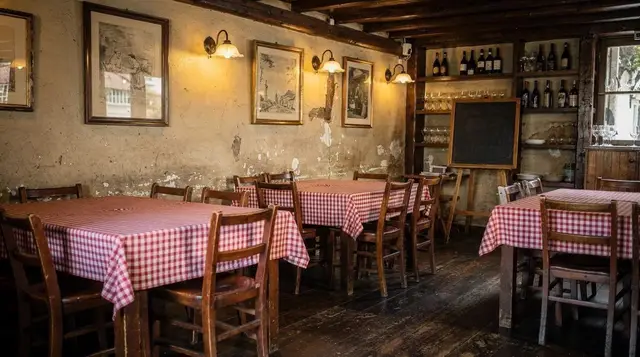
The east zone gets a single paragraph in this guide’s broader overview because most of it holds limited visitor interest, but Mooca deserves calling out on its own terms rather than being lumped in as a footnote. Settled heavily by Italian immigrants alongside Bixiga during the same late-19th and early-20th-century wave, Mooca kept a stronger working-class, industrial character than Bixiga’s more central, increasingly touristed version of Italian-Brazilian heritage — traditional cantinas here serve a genuinely different, less polished experience than anything you’ll find in Jardins or even Bixiga’s restaurant strip, with recipes and service styles that have changed comparatively little across generations.
It’s a specific, deliberate trip rather than something you stumble into while exploring elsewhere, given its distance from the central neighbourhoods most visitors base themselves in, but it rewards travellers with a genuine interest in São Paulo’s immigrant food history over a more curated, visitor-facing version of the same story.
How the neighbourhood pattern came to be
São Paulo’s bairro-by-bairro character isn’t accidental — it traces directly back to waves of immigration and internal migration that each concentrated in specific areas rather than dispersing evenly. Italians settled heavily in Bixiga and Mooca; Japanese immigrants built Liberdade; Jewish immigrants shaped parts of Centro Histórico around Bom Retiro. Later, as the city’s wealth moved southwest through the 20th century, Jardins, Itaim Bibi and Vila Olímpia became the newer upscale core, while Centro’s older elite abandoned it for the same reason — leaving the historic downtown as a working and cultural district rather than a residential one. Understanding this migration pattern explains why the neighbourhoods feel so different from each other within a few kilometres. See the how immigration built São Paulo guide for the fuller history.
How neighbourhood choice affects your daily transport time
Beyond atmosphere and cost, where you base yourself directly shapes how much of each day gets eaten up in transit, which matters more in São Paulo than in a more compact city given the traffic realities covered throughout this site. A Jardins or Paulista base keeps most attractions within a 15–30 minute metro or rideshare trip outside rush hour, worse (30–50 minutes) during the 7–10am and 5–8pm peaks. Basing yourself in Vila Madalena adds meaningful time to any Centro Histórico or Liberdade day, since you’re now travelling from the west edge of the well-connected zone rather than its middle.
Staying in Moema or Brooklin trades some of that central convenience for proximity to Ibirapuera Park and a quieter evening base, a reasonable trade if the park and a calmer stay matter more to you than minimising transit time to every other neighbourhood on this list. None of these are wrong choices, but it’s worth mapping your planned day trips against your accommodation’s location before booking, rather than choosing a neighbourhood on atmosphere alone and discovering the commute cost afterward.
Cost and safety differences by area
Costs and safety perception vary meaningfully across these neighbourhoods, and it’s worth being upfront about both. Jardins, Itaim Bibi and Vila Olímpia are the most expensive for dining and accommodation, reflecting their upscale positioning. Vila Madalena and Pinheiros sit in the middle. Centro Histórico is cheaper for food but needs more situational awareness, particularly after dark and around specific streets near Luz station. None of the neighbourhoods covered here are unsafe to visit during the day with normal precautions — the differences are more about atmosphere and evening character than daytime risk.
Comparing São Paulo’s main visitor neighbourhoods
| Neighbourhood | Character | Best for |
|---|---|---|
| Paulista / Jardins | Central, upscale, business-and-culture | First-time visitors, central base |
| Vila Madalena / Pinheiros | Bohemian, street art, nightlife | Culture, bars, photography |
| Centro Histórico | Historic, dense, day-visit only | Architecture and history, daytime |
| Liberdade | Japanese heritage, food | Food, culture, a different pace |
| Itaim Bibi / Vila Olímpia | Business, upscale nightlife | Business travellers, polished evenings |
| Moema / Brooklin | Residential, food-forward, quiet | A slower, local-feeling stay |
| Bixiga | Italian heritage, old São Paulo | History, traditional cantinas |
Frequently asked questions about São Paulo’s neighbourhoods
Which neighbourhood should I stay in for a first visit?
Jardins or Avenida Paulista — central, safe, well connected. See the where to stay guide for the full comparison.
Is it worth staying in more than one neighbourhood on a longer trip?
For trips over five days, yes — splitting time between Jardins/Paulista and Vila Madalena gives a genuinely different feel to each half of the stay.
Are any neighbourhoods unsafe to visit?
Most are safe by day with normal precautions. Specific areas — around Cracolândia near Luz, parts of Centro after dark — need more caution. See the is São Paulo safe guide.
How do I get between neighbourhoods?
Metro Lines 1, 2, 3 and 4 connect most of the ones covered here; rideshares fill the gaps. See the getting around São Paulo guide.
What’s the difference between Vila Madalena and Pinheiros?
They border each other and blend somewhat, but Vila Madalena leans more bohemian and nightlife-heavy, while Pinheiros is slightly more residential with its own distinct food scene.
Which neighbourhood has the best food scene?
Depends on the type — Jardins for fine dining, Liberdade for Japanese food, Bixiga for traditional Italian, Vila Madalena and Pinheiros for casual and trendy options. See the where to eat in São Paulo guide.
Is SESC Pompeia worth the detour from the more central neighbourhoods?
Yes, if you have any interest in architecture — it’s one of Lina Bo Bardi’s most significant works, alongside MASP, and it’s a genuinely active cultural centre rather than a static landmark, though it sits further from the standard Paulista/Jardins/Vila Madalena cluster than most first-day itineraries reach.
What’s the difference between Perdizes and the more central neighbourhoods for a visitor?
Perdizes is quieter and more residential day to day, coming alive specifically on Palmeiras matchdays around Allianz Parque — it’s not a neighbourhood most visitors base themselves in, but it’s worth a targeted trip for the stadium or SESC Pompeia nearby.
Fitting this into your trip
Understanding the neighbourhood map shapes almost every itinerary on this site — start with the three days in São Paulo itinerary for a route that touches four of the neighbourhoods above, or the five days in São Paulo and around itinerary for a fuller spread across the city.
São Paulo neighborhood tours on GetYourGuide
Verified deep-linked GetYourGuide tours. Book through these links and we earn a small commission at no cost to you.
These are our own photographs of São Paulo, not the operator's pictures of this tour — open the tour page to see those.