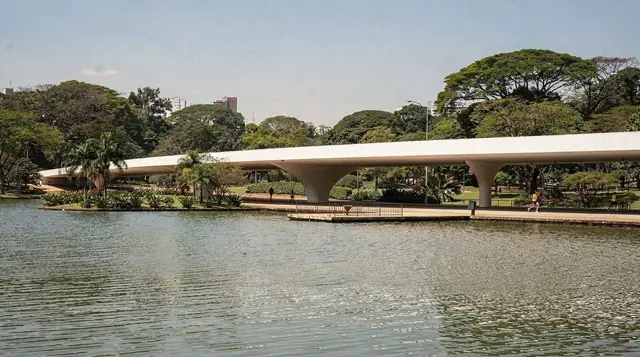
Ilhabela from São Paulo
Can Ilhabela be done as a day trip from São Paulo?
Technically, but it's a stretch — the island is roughly 200 km away, a 3.5 to 4.5-hour drive plus a car ferry crossing from São Sebastião, meaning a day trip leaves only a few real hours on the island. Most visitors who take Ilhabela seriously stay at least two to three nights, given the ferry crossing and the island's genuine draw: waterfall hikes through Atlantic Forest and sailing on some of Brazil's best cruising waters.
Ilhabela is genuinely one of the best coastal destinations near São Paulo, and also one of the least suited to a rushed single-day visit — roughly 200 km away, the trip involves a 3.5 to 4.5-hour drive to São Sebastião followed by a car ferry crossing that can carry its own significant queue on busy weekends. What you get for the effort is real: around 85% of the island under protected Atlantic Forest and state park, a network of trails leading to genuine waterfalls, and a reputation as Brazil’s sailing capital thanks to consistently good wind and calm anchorages. This guide is honest about the logistics, because they matter more here than for almost any other destination in this guide’s day-trip series.
| Where | Coast, ~200 km northeast of São Paulo, via São Sebastião |
| Cost | Ferry free for pedestrians, low-cost for cars; whale watching R$150–300+ |
| Time needed | Minimum a full day if attempted as a day trip; 2–3 nights for a proper visit |
| Getting there | Car (3.5–4.5h) plus car ferry, or a one-way transfer if staying over |
| Best time | April–June for dry weather and fewer mosquitoes |
The honest math on a day trip
A round trip to Ilhabela and back in a single day means roughly 7 to 9 hours of driving alone, before accounting for the ferry crossing itself, which runs frequently but can involve genuinely long queues for cars on summer weekends — sometimes an hour or more of waiting on top of the crossing time. That leaves a realistic window of perhaps 3 to 5 hours actually on the island for a same-day round trip, barely enough for one waterfall hike and a quick look at the town, let alone any of the sailing or diving that the island is best known for. Unlike Campos do Jordão, where a rushed day trip is at least defensible if the drive is your only obstacle, Ilhabela adds a ferry crossing with its own unpredictable wait time on top of an already long drive, which makes the day-trip case even weaker here.
Why an overnight is the better plan
Staying even one night transforms the visit: an evening and morning on the island without the ferry-queue pressure of a same-day return, room for a proper waterfall hike or two, and time to appreciate the slower, greener pace that distinguishes Ilhabela from the more developed beach towns on the mainland coast. The one-way semi-private transfer from São Paulo to Ilhabela is built specifically for this pattern — arrive, stay over, arrange your own return separately — and removes the day-trip time pressure entirely. Two to three nights is the sweet spot for most visitors who want to properly experience both the island’s waterfalls and its sailing culture without feeling rushed.
Waterfall hikes: the main draw
Ilhabela’s interior is laced with trails leading to genuine waterfalls, ranging from short, easy walks to longer treks requiring real fitness and navigation. Cachoeira da Toca and Cachoeira do Gomes are among the better-known options, each reachable via marked trailheads with varying degrees of difficulty depending on which route you take. The forest itself, humid and dense, is part of the appeal — but so are the island’s famously persistent mosquitoes, genuinely worse here than almost anywhere else on this coast, particularly at dusk; repellent isn’t optional on any forest trail. See the broader hiking near São Paulo guide for how Ilhabela’s trails compare with other hiking options in the region.
Sailing and diving
Ilhabela’s reputation as Brazil’s sailing capital comes from a combination of consistent wind, numerous protected anchorages around the island’s coastline, and an established sailing culture with regular regattas and a genuine yacht-club scene — a different kind of draw entirely from the waterfall hiking, and one that essentially requires staying over to properly access, since sailing charters and diving trips are built around full or half-day bookings rather than the compressed timeline of a day trip. For a water-based alternative that works better within a single day, the whale and marine animal watching tour departs for a shorter, more structured few hours on the water without requiring an overnight stay.
The ferry crossing in detail
The car ferry connecting São Sebastião to Ilhabela is free for pedestrians and cyclists and charges a modest fee for vehicles, running frequently enough — every 15 to 30 minutes depending on time of day — that the crossing itself is rarely the bottleneck. The queue to board with a car, however, can run genuinely long on summer weekends and holidays, sometimes stretching well over an hour, a factor that catches visitors off guard who plan around the crossing time alone rather than the wait beforehand. Travelling as a pedestrian and arranging transport on the island itself, or timing your crossing for a weekday or off-peak hour, both meaningfully reduce this risk.
Ilhabela versus other coastal options
| Ilhabela | Guarujá | Ubatuba | |
|---|---|---|---|
| Distance | ~200 km + ferry, 3.5–4.5h | ~90 km, 1.5–2h | ~230 km, 3.5–4.5h |
| Best for | Waterfalls, sailing, greener coastline | Resort-style beach day | North coast beaches |
| Realistic as day trip | Marginal — better as overnight | Yes | Marginal — better as overnight |
| Mosquitoes | Genuinely persistent | Minimal | Moderate |
Mosquitoes and what to pack
Ilhabela’s mosquitoes are persistent enough that they shape how most visitors plan their time on the island — repellent with a meaningful DEET or icaridin concentration is genuinely necessary, not a nice-to-have, especially for dusk activities and any forest trail. Long sleeves and trousers for evening walks help beyond repellent alone. Beyond insect protection, standard beach and hiking gear covers the rest: swimwear, sturdy shoes for waterfall trails, and sun protection, since much of the island’s appeal involves time outdoors regardless of which activities you prioritise.
A brief history of the island
Ilhabela was among the earliest points of Portuguese contact on this stretch of coast, and its position along historic shipping routes made it strategically significant for centuries, including a period of real vulnerability to pirate raids during the colonial era, when ships carrying gold and other cargo passed close to the island en route to Europe. That maritime history is part of why the island developed its sailing culture so distinctly compared to other stretches of the São Paulo coast — the natural anchorages that once sheltered colonial-era ships are largely the same ones that make the island a genuine sailing destination today. The island’s protected status came later, formalised through state park designation that now covers the majority of its interior, a decision that preserved the Atlantic Forest and waterfalls that draw hikers today rather than allowing the kind of dense coastal development seen on parts of the mainland.
Choosing where to stay
Vila, the island’s main town on the western, ferry-facing side, has the widest concentration of accommodation, restaurants and basic infrastructure, making it the practical default for a first visit — everything from budget guesthouses to more upscale pousadas cluster here within easy reach of the ferry terminal. For visitors prioritising sailing or diving, staying closer to the marinas on the western coast simplifies logistics considerably. The island’s eastern, ocean-facing side is less developed and considerably harder to reach, appealing mainly to visitors specifically seeking more remote beaches and willing to trade convenience for that isolation — generally not the right call for a first visit given the added travel time within the island itself.
What a two-night visit actually looks like
A realistic two-night itinerary might pair one day of waterfall hiking — Cachoeira da Toca in the morning, a second shorter trail or beach time in the afternoon — with a second day devoted to sailing, diving, or simply exploring Vila and the marina area at a slower pace. This kind of pacing is exactly what a same-day round trip makes impossible, and it’s the version of Ilhabela that most visitors who’ve actually been recommend over the compressed alternative. Evenings in Vila have a genuinely pleasant, low-key restaurant and bar scene, small but real, that a day-trip visitor never gets to experience at all.
Beaches beyond the waterfalls
While waterfalls and sailing dominate Ilhabela’s reputation, the island also has a number of worthwhile beaches, generally calmer and less crowded than the mainland’s more developed beach towns, with a handful reachable only by boat or a longer hike — part of what gives the island’s coastline a more exclusive, less packaged feel than Guarujá or Santos. Praia do Curral and Praia de Jabaquara are among the more accessible options near Vila, reasonable additions to an itinerary that’s already built primarily around hiking or sailing.
Families with kids on Ilhabela
Ilhabela works well for families, but the day-trip framing works even less well with children than it does for adults — the combined drive and ferry-queue uncertainty is a genuinely long stretch of transit for young kids, and it eats directly into the limited hours you’d otherwise have on the island. An overnight resolves most of this the same way it does for adult travellers: the pressure of a same-day return disappears, and kids get to actually enjoy the parts of the island built for a slower pace, particularly the calmer beaches near Vila and the shorter, easier waterfall trails, which work fine for children old enough to handle some uneven ground.
The more demanding hikes and any serious sailing or diving are better suited to older kids or teenagers. Mosquitoes are a bigger consideration for families than for solo adult travellers — pack repellent formulated for children specifically, and cover up for dusk, since the island’s mosquito population doesn’t discriminate by age. See São Paulo with kids for how a coastal overnight like this fits into a broader family trip.
Accessibility on the island
Ilhabela’s appeal — waterfall trails through Atlantic Forest, boat-based sailing and diving — is inherently less accessible than a flat urban walking route, and it’s worth being upfront about that. Most waterfall trailheads involve natural, uneven terrain, tree roots and sometimes stream crossings, and very few are step-free or wheelchair-passable; Cachoeira da Toca and similar hikes are genuinely physical activities rather than accessible nature walks.
Vila, the main town, is more manageable, with paved streets around the ferry terminal and central commercial area, though older sections and side streets can still have uneven surfaces typical of a small coastal town. The ferry itself is accessible for wheelchair users travelling as foot passengers or in a vehicle, with staff generally able to assist boarding. For visitors with mobility limitations who still want to experience the island’s water-based side without a hike, a boat trip or one of the sailing charters covered above is a more realistic way to experience Ilhabela’s coastline than the waterfall trails.
Traveling to Ilhabela solo
Solo travel to Ilhabela is entirely workable, and arguably more relaxed than the family or group version, since you’re not coordinating pace on hikes or managing anyone else’s mosquito bites. The ferry crossing and the drive are straightforward to do alone, and Vila’s small guesthouse and pousada scene is used to solo visitors, particularly sailors and hikers travelling independently. The main practical consideration solo travellers should plan around is transport within the island itself: without a car, you’re relying on local transport or organised tours to reach trailheads and marinas, which is manageable but worth researching before arrival rather than assuming on-demand options will be as immediate as in central São Paulo. Sailing charters and diving trips are commonly set up for mixed groups of strangers, making them a good way to meet other travellers if you’re on your own. See the solo travel in São Paulo guide for the wider picture of travelling alone in the region.
Frequently asked questions about visiting Ilhabela from São Paulo
Is a day trip to Ilhabela realistic?
Technically yes, but it leaves only 3 to 5 hours on the island after accounting for the drive and ferry crossing — most visitors get considerably more value from at least one overnight, and it’s worth weighing against the wider comparison of day trips near São Paulo before committing to it as a single-day plan.
How long is the ferry crossing?
The crossing itself is short, generally 15 to 20 minutes, but the queue to board with a car can add an hour or more on busy weekends and holidays. Travelling as a pedestrian and arranging local transport on arrival sidesteps the car queue entirely.
Are the mosquitoes really that bad?
Yes, genuinely — Ilhabela’s mosquitoes are a well-known feature of visiting the island, worse at dusk and in forested areas; repellent is essential rather than optional. Locals sometimes joke that the mosquito is practically the island’s unofficial mascot, which gives a sense of how consistently visitors bring it up.
What’s the best waterfall hike for a first visit?
Cachoeira da Toca is a commonly recommended starting point for its accessible trailhead and reasonable difficulty, though ask locally for current trail conditions given seasonal variation, particularly after heavy rain when some crossings can become harder to navigate.
Do I need a car on the island itself?
Helpful but not essential — many of the main attractions and waterfall trailheads are reachable by local transport or organised tours, though a car (brought via the ferry or rented locally) gives more flexibility, especially for reaching the less accessible eastern side of the island.
Is Ilhabela good for non-hikers?
Yes — sailing, diving, and simply enjoying the island’s calmer, greener coastline all work well without requiring serious hiking, though an overnight stay matters more for these activities than for the waterfall hikes. Boat trips around the island are widely available and require no hiking fitness at all.
When’s the best time to visit?
April through June for dry weather and comparatively fewer mosquitoes; avoid the height of summer rains (December–March) if possible, both for weather and for the worst ferry queues.
Is Ilhabela expensive compared to other coastal towns near São Paulo?
Somewhat, particularly accommodation in Vila during peak season — its more exclusive, less mass-market reputation carries a modest price premium over comparable stays in Guarujá or Santos, though budget guesthouse options do exist for cost-conscious travellers.
Combining with Santo Amaro island’s wild beaches
For visitors interested in a different kind of coastal hiking closer to the mainland, the trek to Santo Amaro island’s undeveloped beaches, departing from Bertioga, offers a genuinely wild alternative to Ilhabela’s more established trail network — the Santo Amaro island trekking day trip covers this route in a single long day, without the ferry logistics that Ilhabela requires. It’s a reasonable substitute for visitors whose schedule can’t accommodate Ilhabela’s overnight requirement but who still want a genuine hiking-and-coastline day.
Fitting Ilhabela into your trip
Given the logistics involved, Ilhabela fits best into a São Paulo to the coast five-day route or a seven-day itinerary with room for an overnight stay built in. For the wider comparison of every coastal option near the city, see which beach town near São Paulo is right for you and island trips from São Paulo.
Best day trips from São Paulo on GetYourGuide
Verified deep-linked GetYourGuide tours. Book through these links and we earn a small commission at no cost to you.
These are our own photographs of São Paulo, not the operator's pictures of this tour — open the tour page to see those.