São Paulo with kids
Is São Paulo a good city to visit with kids?
Yes, with realistic expectations — Ibirapuera Park, the Catavento science museum and the São Paulo zoo and aquarium are genuinely strong family attractions, and Hopi Hari theme park is an easy day trip. The city's traffic and dense urban environment mean planning shorter, more focused days rather than packing in too much per day.
São Paulo isn’t marketed as a family destination the way Orlando or a beach resort might be, but it has genuinely solid options for travelling with kids once you know where to look — big, well-designed parks, an excellent hands-on science museum, and a proper theme park within day-trip distance. The honest caveat is the city itself: dense, traffic-heavy and built more around business and culture than dedicated tourism infrastructure, which means family days here work best kept shorter and more focused than a typical resort-destination itinerary, with built-in downtime rather than trying to see everything in a single packed day.
| Where | Citywide, with the strongest options in Ibirapuera, the Catavento museum downtown, and Hopi Hari outside the city |
| Cost | Most parks are free; museums R$10-40; Hopi Hari tickets from roughly R$150-250 per person |
| Time needed | Varies by activity; budget shorter, more focused days than a typical family destination |
| Getting there | Metro and taxi/rideshare within the city; car or organised transfer for Hopi Hari |
| Best time | Weekday mornings for quieter parks and museums; avoid the worst midday heat in summer |
Ibirapuera Park: the anchor of a family day
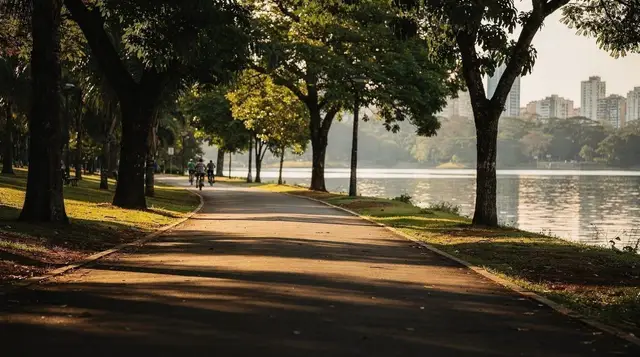
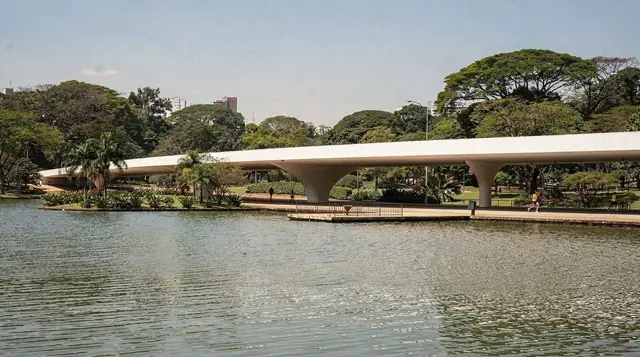
Ibirapuera Park, São Paulo’s answer to Central Park, is the single best all-round family destination in the city — wide open lawns, a lake with paddle boats, a dedicated children’s playground area, and enough shaded paths for a genuinely pleasant walk or bike ride even on a warm day. an Ibirapuera Park bike tour is a fun, active way to cover the park’s full extent with kids old enough to cycle, and bike rental is available on-site for families who’d rather explore independently at their own pace. The park also houses several museums within its grounds, including a planetarium that runs kid-friendly shows on a rotating schedule, worth checking in advance if a specific show interests your children before you arrive.
Catavento: São Paulo’s best kids’ museum
The Catavento Cultural e Educacional, housed in a striking early-20th-century building downtown, is a genuinely excellent hands-on science museum built specifically with children in mind, organised around four themed sections (universe, life, invention, and society) with interactive exhibits that hold attention far better than a typical static museum display. It’s inexpensive, well-maintained, and consistently rated as one of the city’s best family activities by both locals and visitors — worth building a specific downtown day around if a rainy-day or heat-avoidance activity is genuinely needed. See the Catavento museum guide for practical visiting details.
São Paulo zoo and aquarium
The São Paulo zoo and aquarium, in the city’s south zone, offers a full day of animal-focused activities in a genuinely large, well-maintained green space, combining traditional zoo exhibits with an aquarium section covering marine and freshwater species. It’s a solid full-day option for families, particularly with younger children who respond well to animals over more abstract museum content, though it requires more advance planning around transport than the more central Ibirapuera or Catavento options given its location further from the main tourist areas.
Hopi Hari: the day-trip theme park
Hopi Hari, roughly an hour outside São Paulo, is Brazil’s best-known theme park, with roller coasters and rides across a range of intensity levels, from gentle family rides to genuinely thrilling coasters for older kids and teenagers. Hopi Hari theme park tickets are worth booking ahead, particularly for weekend visits, and it’s realistically a full-day commitment once travel time is factored in — not something to combine with much else on the same busy day. It’s the single most “theme park vacation” style activity within reach of São Paulo, and a strong choice for families whose kids specifically want that kind of high-energy day.
| Ibirapuera Park | Catavento Museum | Zoo & Aquarium | Hopi Hari | |
|---|---|---|---|---|
| Best age range | All ages | 4+ | All ages | 6+ for full rides |
| Duration | Half day | 2-3 hours | Full day | Full day |
| Cost | Free | R$10-15 | R$20-40 | R$150-250 |
| Weather dependency | Outdoor, some shade | Indoor | Mostly outdoor | Outdoor |
Other museums that work well with kids
Beyond Catavento, several of São Paulo’s other museums have genuine appeal for children even though they aren’t specifically designed for a young audience. Instituto Butantan, a research institute known for its work on snake antivenom, has a public museum with live snake exhibits that fascinate most kids regardless of any squeamishness about the subject matter, and it pairs an educational angle with the kind of slightly thrilling content that holds children’s attention.
Museu do Ipiranga, recently restored, tells the story of Brazilian independence with enough interactive and visual elements to work for older children with an interest in history, though it leans more toward a traditional museum experience than Catavento’s hands-on approach. Both are worth considering as a second museum day if your family has more time in the city and Catavento alone doesn’t fill your appetite for indoor, educational activities, particularly on a trip long enough to space these out across separate days rather than rushing between them.
Football as a family activity
For families with kids interested in sport, attending a football match is a genuinely memorable São Paulo activity, and Brazilian stadium culture is generally welcoming to families, particularly at better-organised fixtures with dedicated family sections. The football in São Paulo guide and how to buy football tickets guide cover the practicalities, including which fixtures and sections tend to be calmer and more suitable for younger children versus the more intense supporter sections best avoided with kids in tow. The Museu do Futebol at Pacaembu stadium is a lower-intensity alternative for football-curious families who’d rather skip the noise and crowds of an actual match.
Budgeting a family day in São Paulo
Most of São Paulo’s strongest family activities are genuinely inexpensive or free — Ibirapuera Park costs nothing to enter, and museum tickets rarely exceed R$40 per person, with many offering reduced or free entry for young children. The main budget variable is Hopi Hari, where a family of four can expect to spend R$600-1,000 or more once tickets, food and transport are factored in, making it, by a wide margin, the single most expensive family activity covered on this list. Food throughout the city is reasonably priced by international standards, and self-catering options (supermarkets, food courts in shopping centres) offer a genuinely lower-cost alternative to restaurant dining for families managing a tighter budget across a longer stay in the city.
Pacing a family trip realistically
The single biggest planning mistake families make with São Paulo is treating it like a compact resort destination where several attractions can be squeezed into one day — the reality of the city’s size and traffic means two well-chosen activities per day, with a relaxed lunch and downtime between them, tends to produce a far better experience than an ambitious four-stop itinerary that ends up spent largely in transit. Building in a genuine rest afternoon every two or three days, particularly for younger children, also helps avoid the meltdown-inducing exhaustion that a packed sightseeing schedule can produce on a longer trip.
Practical realities of São Paulo with kids
São Paulo’s traffic is a genuine planning constraint with children — a cross-city journey during rush hour (7-10am, 5-8pm) can take considerably longer than expected, and it’s worth building buffer time into any day involving multiple stops rather than assuming Google Maps’ off-peak estimate will hold. The metro is genuinely a strong option for families, clean and reasonably stroller-accessible on most lines, though it does get crowded during rush hour, when navigating with a stroller or young children becomes noticeably harder. Restaurant culture in São Paulo is generally welcoming to families, and most casual and mid-range restaurants have no issue with children, though very high-end tasting-menu restaurants are less suited to young kids — worth checking specifically if fine dining is part of your plans for the trip.
What to pack for a family trip to São Paulo
São Paulo’s weather is variable enough across seasons that packing depends heavily on when you’re visiting — summer (December-March) calls for light clothing, sun protection and a compact rain layer given the near-daily afternoon storm risk, while winter (June-August) can genuinely feel cool, especially in the evenings, and warmer layers are worth having even though the city rarely gets cold by international standards. A stroller is useful for younger children on park days but can be a genuine hassle on the metro during rush hour or on some of downtown’s uneven, older pavements — a baby carrier is a practical backup for a day involving significant walking through the historic centre or crowded areas. Basic Portuguese phrases, or a translation app, help meaningfully with restaurant staff and museum attendants, since English proficiency, while improving, isn’t universal outside major tourist-facing businesses.
Health and safety basics for families
Standard travel precautions apply — sunscreen, insect repellent (particularly relevant given occasional dengue concerns in Brazil, worth checking current advisories before travel), and being mindful of tap water, which most visitors treat with the same caution applied elsewhere in Brazil, generally sticking to bottled or filtered water. Pharmacies are widespread and well-stocked throughout the city for anything unexpected, and major hospitals in São Paulo have a strong reputation regionally, worth knowing as a baseline reassurance even if you never need it. As with any city, keep half an eye on children in crowded areas like markets or busy metro stations, where the density of people makes it easier to become separated than families might be used to at home.
Rainy-day options
São Paulo’s afternoon storms, particularly common in summer (December-March), can derail an outdoor-focused day with little warning, so it’s worth having an indoor backup in mind. The Catavento museum is the strongest single rainy-day option given how much of it is hands-on and indoors; the rainy days in São Paulo with kids guide covers a fuller list of indoor options, including shopping centres with dedicated kids’ play areas, which are more common and better equipped in São Paulo than in many cities given how central mall culture is to Brazilian urban life.
São Paulo with teenagers versus younger children
The plan changes meaningfully depending on the age range travelling. Younger children respond best to the activities already covered — Ibirapuera’s playground, Catavento’s hands-on exhibits, the zoo’s animals — where the appeal is immediate and doesn’t need context. Teenagers, by contrast, often get more out of activities aimed at a general audience than the specifically “kid-friendly” list: a street art tour through Vila Madalena and Beco do Batman, a football match at one of the city’s stadiums, or a food-focused afternoon in Liberdade or the Mercado Municipal tend to land better with a curious 14-year-old than a second museum built for younger visitors. Mixed-age family groups often do best splitting a day — a Catavento or park morning for the youngest kids, an afternoon activity chosen with the older kids’ interests in mind — rather than picking a single itinerary that undersells one age group to satisfy another.
Local school holidays and when family attractions get crowded
Brazilian school holidays cluster around two windows worth planning around if you want to avoid the thickest crowds at family attractions: a long break in July (roughly mid-month, timed with winter) and the longer December-February summer break. Ibirapuera Park, the Catavento museum and especially Hopi Hari get noticeably busier during these windows, with longer queues for popular exhibits and rides, since local families are out in force alongside visiting tourists. Visiting the same attractions during the Brazilian school term — essentially anything outside those two windows — gives a calmer, faster-moving day, and weekday mornings specifically are the quietest slot available at any of the attractions covered in this guide.
Frequently asked questions about São Paulo with kids
Is São Paulo safe for families?
Generally yes in the tourist-frequented areas and during the day, with the same common-sense precautions that apply to any large city — the is São Paulo safe guide covers this in more depth.
What’s the best single family activity in São Paulo?
Ibirapuera Park, for its combination of free entry, open space, a playground and enough activities to fill half a day without needing advance planning.
Is Hopi Hari worth the day trip?
Yes, for families whose kids specifically want a proper theme park experience — it’s a full-day commitment given the roughly hour-long drive each way, so plan it as a standalone day.
Are restaurants in São Paulo child-friendly?
Most casual and mid-range restaurants are welcoming to children; very high-end tasting-menu restaurants are less suited to young kids specifically.
How do I get around São Paulo with young children?
The metro is a solid option outside rush hour, reasonably stroller-accessible on most lines; taxis and rideshare apps are the more comfortable choice during peak traffic hours or with very young children.
What should I do if it rains during a family day in São Paulo?
The Catavento science museum is the strongest indoor option; see the rainy days with kids guide for a fuller list including shopping centres with dedicated play areas.
Is the São Paulo zoo worth visiting with kids?
Yes, particularly for younger children who respond well to animals — it’s a genuine full-day activity, so plan transport and timing accordingly given its location outside the central tourist area.
Are there family-friendly shopping centres with play areas?
Yes — São Paulo’s shopping centre culture is well developed, and many larger malls have dedicated children’s play areas, a genuinely useful option on a hot or rainy day.
Is Instituto Butantan appropriate for young children?
Generally yes — the live snake exhibits fascinate most children, though very young or particularly squeamish kids may find some sections intimidating; use judgement based on your own child’s temperament.
How many days should we plan for family activities in São Paulo?
At least three to four days if you want to cover Ibirapuera Park, Catavento, the zoo and a Hopi Hari day trip without rushing — the dedicated four-day family itinerary linked below is built around exactly this pacing.
Fitting family activities into your São Paulo trip
The São Paulo with kids four-day plan builds a full itinerary specifically around these family-strong activities, pacing them realistically across several days rather than trying to compress everything into a rushed schedule. For families with a shorter visit, a three-day São Paulo itinerary can be adapted around Ibirapuera Park and the Catavento museum without needing the full four-day family plan, and the family-friendly restaurants guide rounds out practical dining options for the rest of your stay, so mealtimes don’t become a source of stress on an otherwise well-planned family trip.
Family-friendly tours
Verified deep-linked GetYourGuide tours. Book through these links and we earn a small commission at no cost to you.
These are our own photographs of São Paulo, not the operator's pictures of this tour — open the tour page to see those.