The São Paulo derbies explained
What are the main football derbies in São Paulo?
Three matter most: Corinthians vs Palmeiras (Derby Paulista, the fiercest), Corinthians vs São Paulo FC (Majestoso), and Palmeiras vs São Paulo FC (Choque-Rei). All three clubs play within the city, so any of these fixtures is reachable without leaving São Paulo — but tickets sell out fast and prices climb well above a normal matchday.
São Paulo is one of the few cities in the world with three major football clubs sharing the same metropolitan area, each with its own stadium, its own fan base measured in the tens of millions, and a set of rivalries that run deeper than sport into class, immigration history and neighbourhood identity. Corinthians, Palmeiras and São Paulo FC each have a nickname for their head-to-head fixture with the other two, and understanding which is which — and which one is actually the fiercest — makes a huge difference to how you plan a football-focused visit. This guide breaks down the three derbies, what makes each distinct, and what to expect if you manage to land a ticket to one.
| The big three | Corinthians (Neo Química Arena), Palmeiras (Allianz Parque), São Paulo FC (Morumbi) |
| Fiercest rivalry | Corinthians vs Palmeiras — Derby Paulista |
| Ticket cost | Roughly R$100-400+ (~US$20-80+) for derby fixtures, well above a normal matchday |
| Getting there | All three stadiums reachable by metro or car within the city |
| Best time | Whenever the fixture list lines up — derbies aren’t scheduled to a fixed calendar date |
Why São Paulo has three major clubs, not one
Most big cities with strong football culture settle into one or two dominant clubs. São Paulo has three genuinely major ones, plus Santos as a significant fourth club a short distance down the coast, and the reason traces back to the city’s early-20th-century immigration waves and class divisions. Corinthians formed in 1910 as a working-class club, originally linked to railway workers in the Bom Retiro area, and has stayed strongly associated with that identity — it’s frequently described as the club of the city’s majority, with the largest fan base of any Brazilian club by most counts.
Palmeiras was founded by Italian immigrants in 1914 as Palestra Itália, renamed Palmeiras in the 1940s under wartime pressure against Italian-associated names, and retains strong ties to São Paulo’s large Italian-descended population, particularly in the Água Branca and Barra Funda areas near its stadium. São Paulo FC formed later, in 1930, from a merger of earlier clubs, and built a reputation as a more traditionally elite, university-and-professional-class club, based in the wealthier Morumbi district. None of that history is trivia — it’s still legible in each club’s fan base and self-image today, and it’s why the rivalries carry weight well beyond a typical local derby. For the full picture of each club, see the Corinthians guide, Palmeiras guide and São Paulo FC guide.
Derby Paulista: Corinthians vs Palmeiras
This is the fixture locals mean when they just say “o clássico” without qualification — Corinthians against Palmeiras is the fiercest, most emotionally charged derby in the city, and arguably one of the most intense in South American football. It draws on both clubs’ huge, passionate fan bases and a rivalry that’s been sharpened over more than a century of shared trophies and shared disappointments. Matchdays close to a Derby Paulista fixture see the surrounding neighbourhoods — Barra Funda near Allianz Parque, Itaquera near Neo Química Arena — visibly tense up, with heavier police presence and away-fan sections kept strictly separated or, depending on the fixture and current security policy, sometimes excluded from attending at all. a Corinthians match experience with ticket, transport and guide is one practical way to attend a high-stakes fixture like this without navigating ticket resale risk yourself.
Choque-Rei: Palmeiras vs São Paulo FC
The name translates roughly to “clash of kings,” and it reflects both clubs’ historical self-image as the more prestigious, trophy-laden sides in the city — a rivalry built more on sporting prestige and competitive parity than the class-based tension that defines the Corinthians fixture. Matches between Palmeiras and São Paulo FC tend to be tightly contested and tactically sharp, and the atmosphere, while still intense, is generally considered slightly less combustible than a Derby Paulista. a Palmeiras game experience at Allianz Parque is a reliable way to see this fixture from the Palmeiras side, with Allianz Parque itself one of the newer, more comfortable stadiums in the city.
Majestoso: Corinthians vs São Paulo FC
“Majestoso” — roughly “the majestic one” — pits the city’s largest fan base against one of its most historically decorated clubs, and while it doesn’t carry quite the same neighbourhood-versus-neighbourhood charge as the Corinthians-Palmeiras fixture, it’s still a genuinely major event on the São Paulo football calendar, often decisive in state championship or cup competitions. a São Paulo FC match at Morumbi stadium is the way to catch this fixture from the São Paulo FC side, particularly relevant while the club continues developing its stadium precinct around Morumbi.
How derby tickets and pricing work
Derby fixtures sell out faster and cost significantly more than a routine league match — expect prices well above the roughly R$60-150 you’d pay for a standard midweek game, often climbing past R$400 for good seats at a high-stakes Corinthians-Palmeiras clash, and higher still through resale if official tickets are gone. Buy only through each club’s official ticketing platform or a verified partner; derby demand is exactly when informal street resale becomes most tempting and most risky, since counterfeit or invalid tickets are more common when demand outstrips supply. If you’re not committed to a specific club and just want to witness a derby atmosphere, booking a guided match experience in advance is the more dependable route, since these packages typically secure tickets ahead of the general on-sale rush.
| Derby Paulista (Corinthians-Palmeiras) | Choque-Rei (Palmeiras-SPFC) | Majestoso (Corinthians-SPFC) | |
|---|---|---|---|
| Intensity | Highest — genuine city-wide tension | High, more sport-focused | High, historically significant |
| Ticket demand | Sells out fastest, priciest | Strong, slightly more available | Strong |
| Stadiums | Neo Química Arena or Allianz Parque | Allianz Parque or Morumbi | Neo Química Arena or Morumbi |
| Best for | Full derby-day atmosphere | Tactically sharp, competitive football | Historic rivalry, still very loud |
What a derby matchday actually feels like
Arrive well ahead of kickoff — two to three hours is realistic for a derby, both because security screening takes longer with bigger crowds and because the pre-match atmosphere outside the stadium, with flares, drumming and massed fan marches toward the ground, is worth experiencing in its own right rather than rushing past. Inside, expect continuous chanting from first whistle to last, coordinated flag displays (mosaicos) organized by each club’s torcida organizada groups, and noise levels that make casual conversation with the person next to you genuinely difficult.
This isn’t a neutral, family-picnic atmosphere in the way a mid-table league fixture can be — it’s intense by design, and while violence at Brazilian derbies is far less common at the actual stadium than international reputation suggests, thanks to heavy segregation and policing, the tension is real and worth taking seriously if you’re new to Brazilian football culture. Away fans are typically kept in a fully separated, heavily guarded section, or excluded entirely depending on the specific fixture and current security protocols — check this before assuming you can support the “wrong” side openly among home fans.
Where Santos fits into the picture
Santos, based in the separate coastal city of Santos rather than the capital, isn’t part of the core São Paulo city derby triangle, but matches against any of the big three still draw significant interest given the club’s national profile and Pelé-era history. It doesn’t carry the same weekly local intensity as the intracity fixtures, partly because of the 70km distance between the cities, but a Santos-Corinthians or Santos-Palmeiras fixture is still a notable date on the calendar. See the Santos FC guide for the full picture of that club and how a matchday trip there works logistically.
How to buy derby tickets without getting burned
The general rules for buying any São Paulo football ticket apply with extra force at a derby — see the how to buy football tickets guide for the full breakdown, but the short version is: buy only through each club’s official platform or a recognised authorised reseller, never from a street tout near the stadium on matchday, and confirm your seating section matches your allegiance before you commit. Prices move fast in the days before a derby as availability tightens, so if you know your travel dates well ahead of time, checking the fixture calendar and buying early is worth the certainty it buys you, even at a modest premium over waiting.
Comparing the stadiums themselves
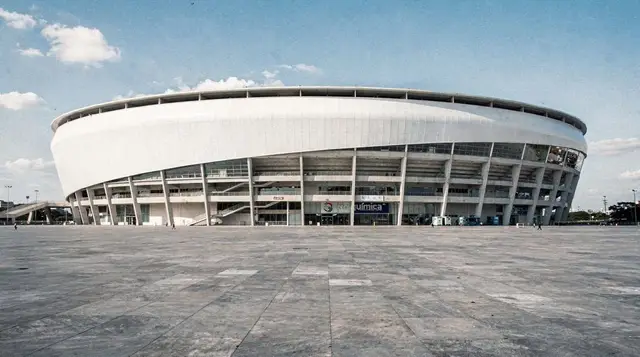
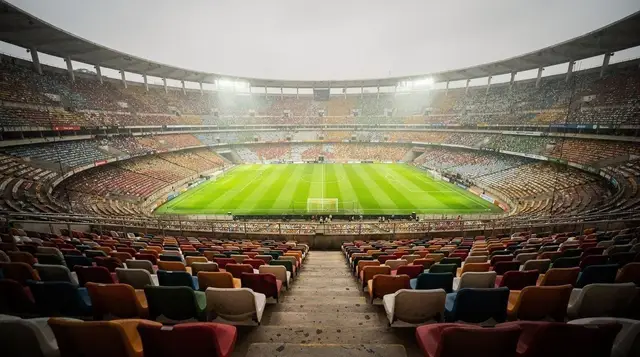
Each derby plays out in one of two possible venues depending on which club is hosting, and the stadiums themselves are worth knowing before you pick a fixture if you have any flexibility. Neo Química Arena in Itaquera, Corinthians’ purpose-built stadium from the 2014 World Cup era, is the furthest from the city centre but has a reputation for one of the loudest, most consistently full atmospheres in Brazilian football. Allianz Parque, Palmeiras’ home in the central Barra Funda/Água Branca area, is more centrally located and combines a modern stadium with genuinely intense fan culture.
Morumbi, São Paulo FC’s traditional home in the wealthier western part of the city, is the oldest of the three grounds and has a different, slightly more reserved atmosphere by comparison, though it’s still loud on a big occasion and has undergone recent redevelopment. If getting back to your accommodation quickly after a night match matters to you, factor stadium location into which derby you prioritise — Itaquera in particular means a longer trip back into the city centre than the other two.
Watching a derby from a bar if you don’t have a ticket
Missing out on tickets doesn’t mean missing the derby entirely — watching from a boteco or bar packed with committed fans is a genuinely different but still memorable way to experience one of these fixtures, and for some visitors it’s actually the more comfortable option given the intensity described above. Bars in neighbourhoods with a strong association to a specific club — parts of the east zone lean Corinthians, areas near Barra Funda lean Palmeiras — fill up well before kickoff on derby day, with the same chanting and flag-waving energy as the stadium itself, just at a fraction of the cost and without the ticket-buying pressure. The boteco culture guide covers the format generally; on a derby night specifically, arrive at least an hour before kickoff if you want a seat with a clear TV view, since the best-positioned bars near each stadium fill fast once the pre-match build-up starts.
Why these rivalries run deeper than sport
The intensity described throughout this guide isn’t manufactured for television — it traces directly back to the class and immigration history covered in the how immigration built São Paulo guide. Corinthians’ working-class, Bom Retiro-adjacent origins, Palmeiras’ roots among the city’s Italian immigrant community, and São Paulo FC’s more traditionally elite, university-linked founding aren’t incidental details; they’re the reason a Derby Paulista carries weight well beyond a normal local sports rivalry, and why supporting a specific club in this city can say as much about family background and neighbourhood identity as it does about football preference. Understanding this history before attending a derby changes how the noise, the flags and the sheer intensity of the crowd actually read — less spectacle, more a century of identity playing out over ninety minutes.
Frequently asked questions about São Paulo’s football derbies
Which São Paulo derby is the most intense?
Corinthians vs Palmeiras, known as the Derby Paulista, is generally considered the fiercest, drawing on both clubs’ huge fan bases and over a century of rivalry.
Are Santos matches considered a São Paulo derby?
Not in the strict intracity sense — Santos is based in a separate coastal city — but any Santos fixture against Corinthians, Palmeiras or São Paulo FC still draws significant national attention.
How much more do derby tickets cost compared to a normal match?
Expect prices well above a routine league game, often more than double, with the highest-demand seats for a Corinthians-Palmeiras clash reaching R$400 or more.
Is it safe to attend a São Paulo derby as a tourist?
Generally yes if you follow basic sense: buy tickets through official channels, sit in your assigned section, avoid wearing a rival club’s colours into the wrong stand, and travel to and from the stadium using official transport.
Do derbies happen on a fixed schedule?
No — fixture dates depend on the current league, state championship and cup calendars, and vary year to year. Check the current schedule against your travel dates rather than assuming a derby will happen during any given visit.
Can foreign visitors buy derby tickets easily?
It’s possible through official club platforms, but demand is high and sells out fast for the biggest fixtures. A guided match package is often the more reliable route for visitors without deep familiarity with each club’s ticketing system.
What’s the difference between Choque-Rei and Majestoso?
Choque-Rei is Palmeiras vs São Paulo FC, generally seen as the more tactically prestigious rivalry; Majestoso is Corinthians vs São Paulo FC, historically significant but slightly less charged than the Corinthians-Palmeiras fixture.
Fitting a derby into your trip
Because derby dates aren’t fixed, the realistic approach is to check the current fixture list against your travel window rather than build an itinerary around one specific match. If a derby does line up, it’s worth reshuffling a day around it — on a three-day itinerary, that might mean moving a museum day to make room; on a dedicated football fan’s São Paulo itinerary, a derby is exactly the kind of event the whole trip should flex around. If no derby fits your dates, any standard fixture at Neo Química Arena, Allianz Parque or Morumbi still delivers a genuine slice of Brazilian football culture, and the Museu do Futebol is worth pairing with whichever match you land on for the fuller historical context. Stadium tours on non-matchdays, covered in the stadium tours guide, are a reasonable fallback if your dates miss every fixture entirely, and general football context for the trip is in the football in São Paulo overview.
Football tours & experiences in São Paulo on GetYourGuide
Verified deep-linked GetYourGuide tours. Book through these links and we earn a small commission at no cost to you.
These are our own photographs of São Paulo, not the operator's pictures of this tour — open the tour page to see those.