Boteco culture explained
What exactly is a boteco, and how is it different from a regular bar?
A boteco is a no-frills neighbourhood bar-restaurant hybrid, usually with sidewalk tables, cold draft beer served in small glasses so it stays cold, and a menu of shareable petiscos rather than full meals. It's informal, cheap, and social by design — you go for a couple of hours with friends, not for a quiet drink alone.
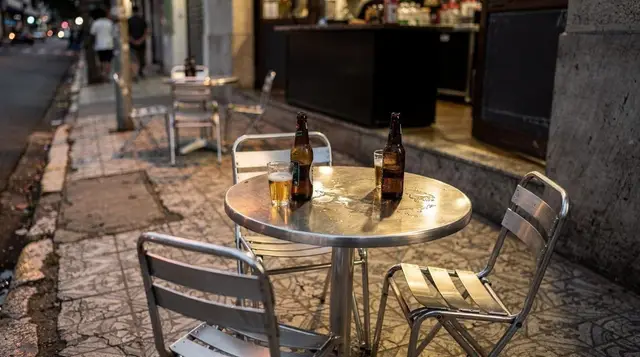
Ask a paulistano where to go for a casual drink and, more often than not, they’ll name a boteco rather than a bar. The word covers a specific kind of place: a corner establishment, often decades old, with plastic chairs spilling onto the sidewalk, a fridge full of small beer bottles or a chopp tap running non-stop, and a kitchen turning out fried snacks meant to be shared across a crowded table. It isn’t a cocktail bar and it isn’t a restaurant — it’s something in between, and understanding how it works will get you further into how paulistanos actually socialise than almost any museum or monument.
| Where | Almost every neighbourhood — Vila Madalena, Pinheiros, Bixiga and the centre have the highest concentrations |
| Cost | R$8–20 (US$1.50–4) per beer, R$25–60 (US$5–12) per shared petisco plate |
| Time needed | 1.5–3 hours for a proper sitting |
| Getting there | On foot within most central neighbourhoods, or a short rideshare from anywhere |
| Best time | Early evening on weekdays, all afternoon into night on weekends |
What separates a boteco from a bar
The distinction isn’t just vocabulary. A boteco is defined by informality: standing or sitting at plastic tables, ordering by flagging down a waiter rather than going to a counter, and a menu built around small shared plates rather than individual meals. Bars aimed at a younger, more design-conscious crowd — the kind you’ll find along Rua Aspicuelta in Vila Madalena — borrow some boteco DNA but add cocktail menus, DJs and higher prices. A genuine boteco, by contrast, has usually been serving the same core menu since well before it became fashionable to be nostalgic about it, and the prices reflect that. If you want a broader sense of where these sit alongside the city’s newer bar scene, the São Paulo nightlife guide covers the wider landscape.
The chopp ritual
Draft beer — chopp — is central to boteco culture, and it’s served differently than most visitors expect: in small glasses, roughly 300ml, refilled constantly rather than poured once into a pint. The reasoning is simple and specific to a hot climate — beer this size stays cold from first sip to last, where a larger glass would go warm and flat before you finish it. A good boteco waiter reads the table and brings fresh rounds without being asked, and the etiquette is to let them; slowing that rhythm down by nursing one large beer marks you as an outsider to the system more than any language mistake would.
Petiscos worth ordering
The food is built for sharing across a table, not individual plates. Pastel (a thin fried pastry, usually filled with cheese, meat or hearts of palm) and bolinho de bacalhau (salt cod fritters) are near-universal menu fixtures. Torresmo — crispy fried pork belly — shows up at more traditional spots. Provolone frito, a wedge of grilled or fried provolone cheese, is another staple, usually ordered alongside a plate of pão de alho (garlic bread). None of these are individually filling, which is the point — a table of four or five typically orders three or four plates and works through them slowly over a couple of hours, refilling as needed rather than front-loading the whole order.
Where the tradition runs deepest
Bixiga, São Paulo’s historically Italian neighbourhood, has some of the oldest and most traditional botecos in the city, many run by the same families for generations — full detail in the guide to Bixiga. Vila Madalena and Pinheiros have a denser, younger scene where classic botecos sit alongside newer bars, covered in the guide to bars in Vila Madalena. The historic centre has its own scattering of long-running spots, some dating to the mid-twentieth century, discussed in the guide to the historic centre.
A short history of the boteco
The boteco tradition traces back to the early twentieth century, when small general stores (vendas) selling basic goods began adding a counter for cachaça and beer to serve workers on their way home from factories and workshops. Over decades, the format evolved into something closer to what exists today — less a general store with drinks and more a dedicated bar-restaurant hybrid — while keeping the original spirit of a neighbourhood gathering point rather than a destination in itself. Many of São Paulo’s most respected botecos, particularly in Bixiga and the older parts of the centre, trace their lineage directly to this era, run by the same families for three or four generations. Understanding this history changes how the ritual reads: the plastic chairs and paper tabs aren’t a lack of polish, they’re a deliberately maintained continuity with how the format has always worked.
Regional variations across the city
Not every boteco is identical, and part of the pleasure of exploring the format is noticing how it shifts by neighbourhood. Bixiga’s Italian heritage shows up in botecos that lean toward heartier, more substantial petiscos alongside the standard fried snacks — some kitchens here serve small portions of pasta or polenta alongside the usual pastel and torresmo. Mooca, another historically Italian district in the east zone, has its own cluster of long-running spots with a similar character, generally further off the typical visitor path and correspondingly cheaper.
In the centre, botecos near commercial districts cater heavily to office workers with quick, efficient service during weekday happy hour, while slowing down considerably on weekends when that crowd isn’t around. Vila Madalena and Pinheiros botecos, by contrast, increasingly blend boteco fundamentals with a more design-conscious, younger sensibility — the food and drink are recognisably the same tradition, but the room looks and feels different.
Pairing boteco culture with a food tour
If you want a broader introduction to Brazilian food and drink before striking out to botecos on your own, the flavors of Brazil food tour covers a wider range of dishes and settings, while the bar and street art crawl with a local guide combines a boteco-adjacent bar experience with the city’s street art scene in a single outing.
Beer brands and what to actually order
Brahma, Skol and Original are among the most common draft beer brands you’ll encounter, each with a slightly different character — Original in particular has a strong following among people who consider themselves boteco purists, generally served in its own distinctively shaped glass. Beyond the standard lagers, a growing number of botecos, especially in Pinheiros and Vila Madalena, now stock craft beer options from Brazil’s expanding independent brewing scene, worth asking about if you want something beyond the mainstream brands. On the food side beyond the classics already covered, look for isca de peixe (fried fish strips), coxinha (a teardrop-shaped fried chicken croquette that’s arguably Brazil’s most iconic snack nationally, not just in São Paulo), and camarão empanado (breaded shrimp) at botecos with a slightly more elevated menu.
Ordering and paying
Most botecos still run on paper tabs — your table gets a card or slip that the waiter marks with each round and dish, settled all at once at the end rather than paid per item. This matters practically: don’t expect to pay as you go, and don’t lose the card, since some places will genuinely struggle to reconstruct the bill without it. Splitting the bill evenly across the table is the near-universal norm rather than itemising who ordered what. Card payment is now accepted almost everywhere, though smaller, more traditional spots sometimes still prefer cash — worth having some on hand regardless, per the general guidance in money in Brazil.
Boteco versus rooftop bar versus club
| Boteco | Rooftop bar | Club | |
|---|---|---|---|
| Atmosphere | Informal, loud, communal | Polished, scenic, date-friendly | High-energy, late, dance-focused |
| Typical cost | R$8–20 per beer | R$25–45 per cocktail | R$40–100+ cover charge |
| Best for | Everyday socialising, groups | Views, special occasions | Dancing, late nights |
| Starts | Late afternoon | Early evening | After midnight |
For rooftop options with a view over the skyline, see the São Paulo rooftop bars guide; for the dance-focused end of the scene, clubbing in São Paulo covers what to expect.
Doing it with a guide versus alone
A guided evening, like the private night tour of São Paulo, is a genuinely useful shortcut for a first visit — it solves the language barrier at the counter, points you to spots that don’t show up prominently online, and builds in the context of why a particular boteco matters historically. Going independently afterwards, once you’ve got a feel for the rhythm, is entirely doable and considerably cheaper; just budget extra patience for menus in Portuguese only and staff who may not speak much English outside the more tourist-frequented spots.
Safety and getting home
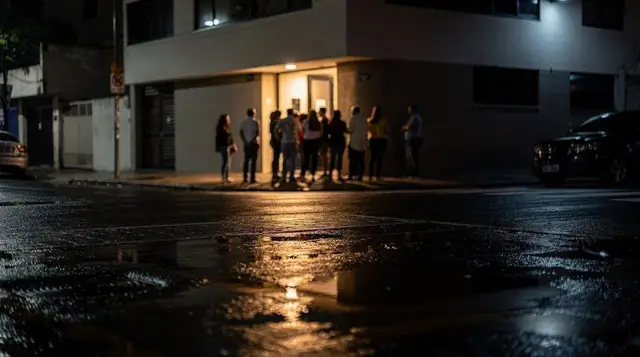
Boteco culture is low-risk by nightlife standards — it’s early-evening, well-lit, sidewalk-facing and family-adjacent in a way clubs aren’t. The main practical advice is the same as anywhere in the city after dark: keep your phone out of sight when walking between spots, and use a rideshare rather than walking long distances late at night, especially outside the busiest strips. Full detail on this is in going out safely in São Paulo.
Boteco etiquette worth knowing
A handful of small habits separate someone who blends in from someone who obviously doesn’t. Waving down a waiter with a raised hand or a quiet “com licença” is normal and expected — botecos don’t run on table service that comes to you unprompted the way a restaurant might, particularly once a place fills up. Sharing plates is the default rather than the exception; ordering an individual dish just for yourself at a table of four reads as slightly odd. Lingering is fine and expected — nobody will rush you to vacate a table, but it’s also polite to keep ordering something occasionally rather than occupying space for hours on a single beer. Finally, volume: botecos are loud, social spaces by design, and a certain amount of noise and cross-table conversation is part of the atmosphere rather than something to apologise for.
Weekday happy hour versus weekend rhythm
São Paulo’s boteco scene runs on two distinct rhythms. Weekday evenings, particularly Thursday and Friday, see a sharp surge around 6pm as office workers finish their day — this is “happy hour” in the local sense, often loud, fast-paced and finished by 9pm or 10pm as people head home. Weekends run differently: a slower build starting mid-afternoon, peaking later into the evening, with groups staying longer and the atmosphere shifting from after-work unwind to genuine social occasion. If you want the classic after-work energy, aim for a Thursday or Friday around 6:30pm; if you want a more relaxed, extended sitting, Saturday afternoon into evening is the better window.
Vegetarian options at a boteco
Classic boteco menus lean heavily on meat and fried snacks, which can make the format feel restrictive for vegetarian visitors at first glance, but there’s usually more available than the menu’s first impression suggests. Pastel de palmito (hearts-of-palm pastel), provolone frito, pão de alho, and simple plates of fried polenta or mandioca frita (fried cassava) are near-universal boteco fixtures that happen to be meat-free, and most kitchens will make a simple cheese or vegetable pastel on request even if it isn’t printed on the menu. Vegan options are considerably harder to find at a traditional boteco specifically, since cheese and butter show up in most of the reliable meat-free dishes — for a more deliberately plant-based night out, the vegetarian and vegan São Paulo guide covers restaurants built around that requirement rather than a boteco menu adapted to it.
Going alone: is a boteco a solo-friendly space?
Yes, and more so than the communal, shared-plate format might initially suggest. Solo diners are a normal sight at a counter or a small table, particularly during the weekday happy-hour rush when plenty of people stop for one quick beer on their way home rather than settling in for a long group sitting. The genuine trade-off for a solo visit is the food: petiscos are portioned and priced for sharing, so a solo diner either orders a smaller plate than intended for one person or accepts some food going to waste — neither is a real problem, just worth knowing going in. Sitting at the counter rather than a table, where one exists, tends to make a solo visit feel more natural and occasionally opens up conversation with the bartender or regulars, which is part of the appeal for solo travellers specifically looking to feel less like a tourist for an evening.
Frequently asked questions about boteco culture
Do I need to speak Portuguese to order at a boteco?
It helps but isn’t essential — pointing at menu items or other tables’ plates works fine, and staff at busier spots are used to visitors. Learning a handful of food and drink terms in advance (see Portuguese phrases for travellers) goes a long way.
What time do botecos get busy?
Weekday evenings pick up from around 6pm as people leave work; weekends run all afternoon into the night, with the busiest window typically 7pm–11pm.
Are botecos family-friendly?
Many are, particularly earlier in the evening and outside the nightlife-heavy strips — sidewalk tables and casual food make them fairly relaxed, though this shifts as the evening gets later and louder.
Is it normal to move between several botecos in one night?
Yes — a boteco crawl across two or three nearby spots in one evening is a common way to socialise, similar in spirit to a pub crawl but generally more low-key and food-focused.
How much should I tip?
A 10% service charge is often already included on the bill (look for “10% incluso”); if not, 10% is the standard expectation, left in cash or added to a card payment where possible.
What’s the difference between chopp and garrafa beer?
Chopp is draft, served fresh and cold in small glasses; garrafa is bottled beer, usually a larger format meant to be shared and poured into individual small glasses at the table — both are common, and the choice mostly comes down to preference.
Can I find boteco culture outside the trendy neighbourhoods?
Yes, and arguably the most authentic version — Bixiga, Mooca and the older parts of the centre have long-running spots with far less tourist traffic than Vila Madalena’s busiest corners.
Fitting boteco culture into your trip
A boteco evening slots naturally into any itinerary — it doesn’t need a dedicated day, just an open evening. On a three-day itinerary, pair it with a Vila Madalena or Bixiga afternoon so you’re already in a good neighbourhood when evening comes. On a five-day itinerary, try two different neighbourhoods on different nights to feel the contrast between, say, Bixiga’s old-school spots and Pinheiros’ younger scene. For a first visit still finding its feet, the broader São Paulo nightlife guide is the right starting point before narrowing in on botecos specifically.
São Paulo nightlife on GetYourGuide
Verified deep-linked GetYourGuide tours. Book through these links and we earn a small commission at no cost to you.
These are our own photographs of São Paulo, not the operator's pictures of this tour — open the tour page to see those.