Most of São Paulo’s tourist attention pools in the south and west; the north zone gets a fraction of it, and Santana is the reason the fraction that does come, comes here. It has the metro — the Blue Line runs straight through — and it has the Anhembi Sambadrome, which turns into the centre of the city’s attention every February or March when São Paulo’s Carnival schools parade past. Outside Carnival season, it’s a working residential district with a genuinely useful green space in Parque da Juventude, built on the site of a former prison complex.
Santana’s identity has always been shaped by its role as a connector rather than a destination in its own right — historically one of the first areas outside the old city centre to industrialise and house factory workers, later one of the first north-zone districts to get metro access, and now, functionally, the neighbourhood most visitors will only ever encounter for one specific reason. That focus is not a weakness; it means Santana does its one job — hosting the biggest civic celebration on the calendar — genuinely well, without pretending to be something broader.
| Where | North zone, along the Blue Line between Tucuruvi and Centro |
| Cost | Free to walk the neighbourhood and park; Carnival parade tickets from R$ 150 (US$ 30), much more for grandstand seats |
| Time needed | Half a day, longer during Carnival |
| Getting there | Metro Santana or Carandiru, Blue Line — direct and fast, under 20 minutes from Sé |
| Best time | February–March for Carnival; any weekday for the park and neighbourhood |
Anhembi and the sambódromo
The Sambódromo do Anhembi is where São Paulo’s Carnival happens — Rio gets the international coverage, but São Paulo’s samba schools parade here with genuine scale and less crowding than Rio’s Sambadrome, which some visitors actually prefer for that reason. Outside Carnival, the venue and surrounding Anhembi convention complex host trade fairs and concerts, so it’s worth checking what’s on before planning a special trip. If you’re here specifically for Carnival, a Carnival parade package with seating, food and transfer removes the single biggest headache — getting a decent seat without queuing for hours or buying from a scalper outside the gates.
Parque da Juventude, a park with a past
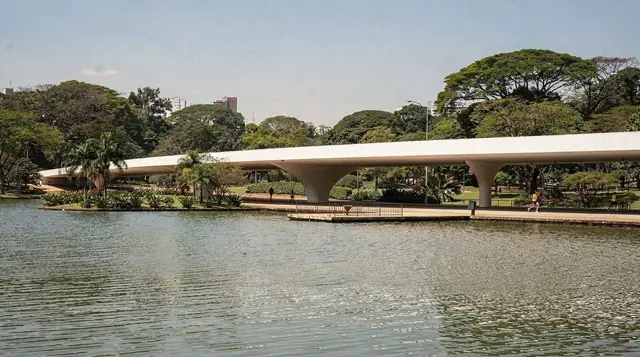
Parque da Juventude was built on the grounds of the former Carandiru penitentiary, demolished in 2002 after decades as one of Latin America’s most notorious prisons. The park today gives no obvious sign of that history beyond a small memorial and a preserved cell block turned into a human-rights education space — worth seeking out if the subject interests you, easy to miss if you’re just here for green space. Either way, it’s one of the larger, better-maintained parks in the north zone, with running tracks, sports courts and shade that make it a pleasant break from the sambódromo’s concrete. Our wider best parks in São Paulo guide and running and cycling in São Paulo guide cover how it compares to Ibirapuera and the city’s other green spaces.
Why the metro changes the calculation here
Santana only works as a destination because of the Blue Line. Before the metro reached this far north, the district was mostly bypassed by visitors; now Santana and Carandiru stations put it under 20 minutes from Sé in the historic centre, at the standard R$ 5.20 fare via Bilhete Único — cheaper and more reliable than a taxi through north-zone traffic, which can back up badly on Avenida Cruzeiro do Sul during rush hour (07h–10h, 17h–20h).
| Way to visit | Cost | Notes |
|---|---|---|
| Metro (Blue Line) | R$ 5.20 per ride | Fastest and most reliable option |
| Taxi/app off-peak | R$ 30–45 from centro | 20–25 minutes |
| Taxi/app rush hour | R$ 45–70 from centro | 35–50 minutes, unpredictable |
The north zone beyond Santana
Santana functions as the north zone’s gateway more than its full extent — the district stretches into quieter, more residential streets further from the metro line, and neighbouring areas like Tucuruvi (the Blue Line’s northern terminus) and Casa Verde extend the same working-class, low-rise character. Few visitors venture beyond Santana itself, and honestly, there’s limited reason to unless you have a specific connection to the area. What Santana does offer, that its neighbours mostly don’t, is the sambódromo and the metro access that makes a visit genuinely convenient rather than a logistical project.
Everyday Santana: markets and street life
Away from the sambódromo, Santana runs on the same rhythm as most working residential São Paulo districts — a busy commercial strip along Avenida Cruzeiro do Sul with pharmacies, bakeries and clothing shops serving locals rather than visitors, and a weekly street market (feira) rotating through nearby streets, not unlike the markets covered in our São Paulo street markets guide. It’s a useful place to see ordinary paulistano life away from the postcard neighbourhoods, though it doesn’t offer the curated cafés and boutiques that make areas like Vila Madalena more immediately rewarding for a casual wander. See our guide to São Paulo’s north zone for the wider area beyond Santana.
Combining a Carnival visit with the rest of the city
If you’re timing your trip around Carnival specifically, it’s worth building Santana into a wider itinerary rather than treating it as an isolated evening. A private São Paulo city tour earlier in the day covers the postcard sights before the parade takes over the evening, letting you make the most of a single Carnival-season day in the city without doubling back across town.
São Paulo’s Carnival, contextualised
It bears repeating for visitors who arrive expecting Rio’s version: São Paulo’s Carnival at the Anhembi sambódromo is a genuinely serious event by any measure other than international fame — the city’s top-division samba schools compete with elaborate floats, hundreds of costumed performers per school, and a judging system every bit as intense as Rio’s — but it draws a fraction of the tourist attention. That works in visitors’ favour: tickets are typically easier to secure, the crowds are more manageable, and the atmosphere feels closer to a genuine civic celebration than a spectacle staged primarily for outside visitors. If you’ve done Rio’s Carnival before and found it overwhelming, São Paulo’s version is worth considering as an alternative, not just a lesser substitute.
What else is happening at Anhembi
Outside Carnival, the Anhembi complex — which includes the sambódromo alongside a large exhibition centre — regularly hosts trade fairs, comic and pop-culture conventions, and large concerts. It’s worth a quick check of the calendar before visiting if you’re curious whether anything coincides with your trip; a major event can mean either an unexpected bonus (if it interests you) or simply heavier local traffic to route around.
Frequently asked questions about Santana
Is Santana worth visiting outside Carnival season?
Modestly. Parque da Juventude is a genuinely good park and worth an hour if you’re in the north zone anyway, but there’s no single sight that justifies a special trip outside the Carnival months — most visitors without a specific Carnival or park interest will get more from time spent in the centre or the Paulista corridor instead.
How do I get Carnival parade tickets at the Anhembi sambódromo?
Through official channels or a bundled tour that includes seating — see our Carnival in São Paulo guide for the full breakdown of grandstand tiers and pricing.
Is Santana safe?
Yes, for a residential north-zone district — standard city-centre caution applies, more so at night around the sambódromo on non-event days when the area empties out. See our honest guide to São Paulo safety for the fuller picture across the city.
What’s the fastest way from the airport to Santana?
Guarulhos (GRU) connects most directly by taxi or app, roughly 30–45 minutes depending on traffic; there’s no direct metro link from the airport. See our Guarulhos GRU airport guide for the fuller picture on transfer options.
Can I combine Santana with the historic centre in one day?
Yes easily — Santana to Sé is under 20 minutes on the Blue Line, making it a natural add-on to a centro day rather than a separate trip.
What is Parque da Juventude’s connection to Carandiru?
The park was built on the site of the former Carandiru penitentiary, demolished in 2002 after decades of overcrowding and a notorious 1992 massacre. A small memorial and preserved cell block inside the park mark that history for visitors who seek it out.
Are there hotels worth booking in Santana?
Few visitors base themselves here specifically — it works better as a day or evening visit from a more central hotel in the Paulista corridor or historic centre, both a short metro ride away.
How does São Paulo’s Carnival compare to Rio’s?
Smaller in international profile but comparable in scale and seriousness at the top level of competition — São Paulo’s samba schools take the parade just as seriously, and the sambódromo experience is, if anything, easier to navigate as a first-time visitor thanks to lighter crowds.
Is Parque da Juventude good for a picnic or a run?
Yes — it has running tracks, open lawns and shaded areas, and is genuinely well used by the local community for exactly that, away from the sambódromo’s concrete grandstands.
Fitting Santana into a longer São Paulo trip
For most itineraries, Santana is a Carnival-season special case rather than a daily-plan fixture. On a three-day trip outside Carnival, it’s optional; during Carnival, build an entire evening around it using our Carnival guide. On longer stays, pair a Santana half-day with nearby green space via our best parks in São Paulo guide, and check our guide to hearing samba in São Paulo if you want to experience the music beyond the parade itself, in the smaller venues and rehearsal sessions that samba schools hold in the months leading up to Carnival.