São Paulo cocktail bars
Is São Paulo good for cocktail bars?
Yes — several São Paulo bars have made Latin America's best bar lists in recent years, with a scene concentrated in Jardins and Vila Madalena. Expect R$30–55 for a well-made cocktail, and reservations are worth making at the most in-demand bars on weekends.
São Paulo’s cocktail bar scene has moved well past novelty caipirinha stands aimed at tourists over the past decade, building a genuine bartending culture with bars regularly appearing on regional best-of lists. This guide covers where that scene is concentrated and what separates a genuinely serious cocktail bar from a bar that just happens to serve cocktails.
| Where | Jardins and Vila Madalena hold most of the serious bars |
| Cost | R$30–55 per cocktail |
| Time needed | An evening, typically starting 8pm–9pm |
| Getting there | Rideshare recommended for Jardins bars given limited walkability between venues |
| Best time | Weeknights for a calmer, easier-to-get-a-seat experience; book ahead for weekends at well-known bars |
Where the scene lives
Jardins has the city’s most concentrated cluster of serious, design-forward cocktail bars — smaller, more polished spaces built around a specific concept or a bartender’s signature style, often tucked into quiet residential streets rather than a visible bar strip. Vila Madalena’s cocktail bars sit alongside its much larger boteco scene, generally more relaxed in atmosphere while still serious about the drinks. Between the two, Jardins leans toward destination bars worth planning an evening around; Vila Madalena works better if you want a good cocktail as part of a broader, more casual bar-hopping night. The guide to Jardins and bars in Vila Madalena guide cover both neighbourhoods more broadly.
What makes a São Paulo cocktail bar worth seeking out
The strongest bars in the city increasingly build menus around Brazilian ingredients rather than importing an international cocktail list wholesale — aged, single-estate cachaças, native fruit like cupuaçu and jabuticaba, and Brazilian-grown botanicals showing up in genuinely original drinks rather than a caipirinha variation. This is the detail worth looking for when choosing where to go: a bar with a cachaça list that goes beyond the standard bottle, or a menu that name-checks specific Brazilian producers, is usually a signal of real seriousness. The cachaça and caipirinha explained guide covers the spirit itself in more depth, useful background before ordering something more ambitious than the classic drink.
A bars and clubs walking tour is a reasonable way to sample a curated cross-section of the scene in one night if you don’t want to research and book individual bars yourself.
The bartending talent behind the scene
São Paulo’s cocktail bar boom has been driven partly by a genuine bartending culture developing alongside it — competitions, training programs and an increasing number of Brazilian bartenders who’ve worked or trained internationally before returning to open or lead programs in the city. Several São Paulo bars have placed on Latin America’s 50 Best Bars list since it launched in 2017, a meaningful marker given how competitive the regional field is, including strong showings from Mexico City, Buenos Aires and Lima. What this means practically is that the city’s top bars aren’t simply importing an international cocktail template — they’re competing seriously on their own terms, and a fair number of techniques and ingredient combinations coming out of São Paulo now influence bars elsewhere in the region rather than the reverse.
Food pairings at cocktail bars
Unlike a purely drinks-focused bar tradition in some cities, many of São Paulo’s serious cocktail bars put real effort into food menus that complement rather than just accompany the drinks — small plates built around Brazilian ingredients, occasionally collaborating with a chef from a well-regarded restaurant nearby. This matters practically: a cocktail bar with a genuine food program is a viable dinner venue in its own right, not just a pre- or post-dinner stop, and it’s worth checking a bar’s food offering before assuming you need to eat elsewhere first. Snack-style small plates (petiscos) are the most common format, sized for sharing across a table rather than a full individual meal.
Reservations and how busy it gets
The city’s best-known cocktail bars can get genuinely full on Thursday through Saturday nights, and some take reservations while others operate strictly first-come, first-served with a wait. If there’s a specific bar you’ve read about, check ahead whether it takes bookings — showing up at 10pm on a Saturday without one can mean a 30–45 minute wait even for a well-regarded spot. Weeknights, particularly Tuesday through Thursday, are noticeably calmer and a better bet if a specific seat matters more than the maximum energy of a weekend crowd.
| Jardins cocktail bars | Vila Madalena cocktail bars | |
|---|---|---|
| Atmosphere | Polished, design-forward | Relaxed, part of a wider bar circuit |
| Best for | A dedicated cocktail evening | Cocktails as one stop among several |
| Walkability | Limited — spread across residential streets | High — dense, walkable strip |
| Price | R$35–55 | R$28–45 |
How prices compare to what you’d pay elsewhere
For visitors from major North American or European cities, São Paulo’s top cocktail bar prices — R$30–55, roughly US$6–10 at typical exchange rates — land noticeably below equivalent big-city cocktail pricing, even accounting for the ambition and quality of the drinks. This is worth knowing if sticker shock at a fancy-looking bar makes you hesitate; a genuinely world-class cocktail bar experience here still costs meaningfully less than a comparable night in New York, London or Tokyo, even before factoring in that service charges are typically already included on the bill (look for “serviço” as a line item) rather than requiring an additional tip on top.
Wine as an alternative for the evening
If cocktails aren’t the priority, São Paulo’s wine bar scene has grown alongside it, increasingly featuring Brazilian producers from regions like the Serra Gaúcha rather than defaulting purely to imports. A wine tasting with an expert is a good structured alternative to a cocktail-bar crawl if you’d rather build knowledge of Brazilian wine specifically over the course of an evening.
Speakeasies and low-key entrances
A handful of São Paulo’s more design-forward bars lean into a speakeasy-style presentation — unmarked doors, a reservation required to even find the entrance, or a themed concept that only reveals itself once you’re inside. This isn’t unique to São Paulo, but the city has taken to the format with genuine enthusiasm, and it’s part of what gives Jardins’ bar scene its destination feel rather than a normal bar strip you stumble onto. If a bar’s listing mentions needing a code, a specific entrance, or booking through a messaging app rather than a phone line, that’s this style of venue — worth the extra step for the novelty, though it does mean more advance planning than a walk-in bar.
What to order if you want to try something distinctly Brazilian
Ask the bartender for something built around cachaça beyond the standard caipirinha — most serious bars have at least one original cachaça-based drink on the menu, and it’s a more interesting way to experience the spirit than defaulting to the classic every time. If you’re unsure, tell the bartender your general flavour preferences (bright and citrus-forward versus darker and spirit-heavy) and let them build something — most take genuine pride in doing this well.
Pairing a cocktail bar evening with the rest of your night
A cocktail bar rarely needs to be the whole evening on its own — it works well as a mid-evening anchor between an earlier dinner and a later, higher-energy stop if you want one, or as the destination itself if a slower, conversation-friendly pace is what you’re after. The São Paulo nightlife guide covers how to sequence a full night out if a single cocktail bar isn’t the whole plan, and the clubbing in São Paulo guide is the natural next stop if you want to keep the night going later.
From caipirinha stands to Latin America’s 50 Best: a short history
A decade and a half ago, “cocktail bar” in São Paulo mostly meant a caipirinha stand aimed squarely at tourists and a handful of hotel bars serving competent but unadventurous international classics. The shift toward a genuine bartending culture tracks fairly closely with Latin America’s 50 Best Bars list, launched in 2017 as a regional counterpart to the World’s 50 Best Bars ranking, which gave São Paulo’s most ambitious bartenders a concrete benchmark to compete against and a reason for international attention that hadn’t existed in quite the same way before.
Bars that opened in the early-to-mid 2010s built around a single bartender’s vision, rather than a hotel group’s standard cocktail menu, are largely responsible for establishing the template the current generation has built on — smaller rooms, tighter menus, ingredient-led concepts rather than a “world classics” list. What’s happened since is less a single turning point than a steady compounding effect: each new wave of ambitious openings raises the baseline expectation for what a serious São Paulo cocktail bar should deliver, pulling the whole scene upward rather than a few standout venues carrying the city’s reputation alone.
What a night at a serious cocktail bar actually costs, itemised
It helps to see an actual bill rather than just a per-drink price range. A typical evening for two at a well-regarded Jardins cocktail bar — three rounds each, so six cocktails at R$35-50 average — runs roughly R$210-300 for drinks alone, plus a shared snack plate or two at R$40-70 each, bringing the total before service to somewhere around R$300-450. Add the service charge, typically 10% and usually already itemised on the bill as “serviço” rather than requiring an additional cash tip, and the full evening lands around R$330-495 for two people, or roughly US$60-90 at typical exchange rates. That’s a meaningfully lower total than the equivalent evening — three rounds each at a comparable-quality bar — would cost in New York, London or Tokyo, even before accounting for how much more favourably the exchange rate typically treats visitors from those cities. Vila Madalena runs 15-25% cheaper across the same math, given its lower average cocktail price.
Brazilian spirits beyond cachaça showing up on menus
While cachaça remains the backbone of São Paulo’s cocktail scene, a growing number of bars now stock Brazilian-made gin, and even a small but growing number of domestic whisky and amaro-style liqueurs built from native botanicals — jabuticaba, cupuaçu and Brazilian citrus showing up as house-made liqueurs and shrubs rather than imported syrups. This matters less as a checklist of specific bottles to seek out than as a signal of where the scene is heading: São Paulo’s bartenders increasingly treat the full range of Brazilian agriculture, not just sugarcane spirit, as raw material for original drinks, which is part of why the city’s top bars increasingly read as distinctly Brazilian rather than a well-executed version of an international template.
A common mistake: judging a bar by its street-level appearance
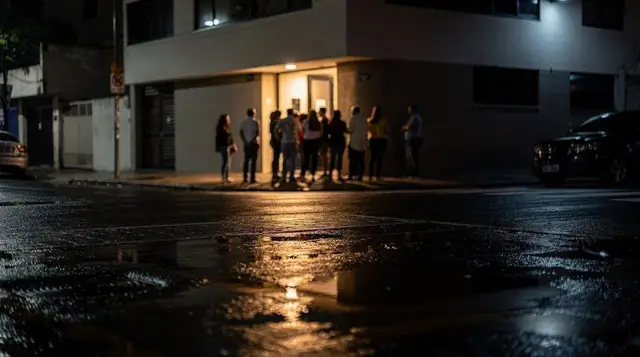
One mistake specific to São Paulo’s cocktail scene is worth flagging separately from general nightlife advice elsewhere on this site: judging a bar’s quality by what it looks like from the street. Many of the city’s best cocktail bars, particularly in Jardins, deliberately keep a low-key or unmarked exterior — a plain door, minimal signage, sometimes just a house number — because the design language borrows from the speakeasy tradition covered above, and because quiet residential-street zoning in parts of Jardins limits how much a bar can visibly announce itself.
Visitors expecting a lit sign or a visible bar-front, the way cocktail bars often present themselves in North American or European cities, can walk straight past a genuinely excellent bar assuming it’s a private residence. Cross-reference the address against a map rather than relying on visual cues from the street, and don’t be put off by an unpromising-looking entrance in Jardins specifically — it’s often a deliberate design choice rather than a signal about what’s inside.
Non-alcoholic options at serious cocktail bars
The city’s better cocktail bars have followed the wider international trend of building genuine non-alcoholic menus rather than offering a token mocktail or two, and it’s worth asking specifically if you’re not drinking but still want the evening’s atmosphere and craft. Zero-proof versions of signature drinks, built around the same Brazilian fruit and botanicals as the alcoholic menu, are increasingly common at Jardins’ more ambitious bars, priced somewhat below the alcoholic equivalents but still reflecting real ingredient and preparation cost rather than being an afterthought. This matters in a country where social life revolves heavily around drinking — having a genuine non-alcoholic option that doesn’t feel like a compromise makes the city’s cocktail scene meaningfully more accessible than it would be if soda water and juice were the only alternatives on offer.
Frequently asked questions about São Paulo cocktail bars
What’s the best neighbourhood for a cocktail-focused night?
Jardins for a dedicated, destination-style evening; Vila Madalena if you want cocktails as part of a broader, more casual bar-hopping night.
Do I need reservations?
For the most in-demand bars on weekend nights, it’s worth checking — some take bookings, others don’t, but either way expect a possible wait without one.
How much does a cocktail cost?
R$30–55 at a serious cocktail bar, generally higher in Jardins than Vila Madalena.
Is the scene mostly caipirinha-based, or genuinely original?
Genuinely original at the better bars — most have moved well past standard caipirinha variations into original drinks built around Brazilian spirits and ingredients.
What night is best to avoid crowds?
Tuesday through Thursday. Friday and Saturday are the busiest, with waits possible at well-known bars.
Are these bars walkable between each other?
Within Vila Madalena, yes. Jardins bars are more spread out across residential streets, so a rideshare between stops is often more practical than walking.
Can I get good cocktails outside Jardins and Vila Madalena?
Yes, increasingly — Pinheiros and parts of Itaim Bibi have a growing number of solid options, though the highest concentration of nationally recognised bars remains in Jardins.
Are São Paulo’s cocktail bars internationally recognised?
Yes — several have placed on Latin America’s 50 Best Bars list since it launched in 2017, a genuine marker of quality against strong competition from cities like Mexico City and Buenos Aires.
Can I eat a full meal at a cocktail bar instead of a restaurant?
At many of the better bars, yes — food programs have become a serious focus, often with shareable small plates built specifically to complement the drinks menu, making some bars viable as a full dinner venue.
Is it worth doing a bar crawl versus picking one destination bar?
Depends on the night — Jardins bars are better suited to picking one destination and settling in, given the distance between venues. Vila Madalena’s density makes a genuine bar crawl more practical.
Fitting this into your trip
A cocktail bar evening pairs naturally with a nice dinner as part of a three-day or longer itinerary, or as the anchor for a São Paulo weekend night out that doesn’t require the later, higher-energy commitment of a club.
São Paulo nightlife on GetYourGuide
Verified deep-linked GetYourGuide tours. Book through these links and we earn a small commission at no cost to you.
These are our own photographs of São Paulo, not the operator's pictures of this tour — open the tour page to see those.