São Paulo nightlife guide
What is São Paulo nightlife actually like?
Late by international standards — bars fill up from 9pm–10pm and clubs rarely peak before 1am. Vila Madalena is the default for bars, Vila Olímpia and Itaim Bibi for clubs, and Rua Augusta for a mix of both. Take a rideshare rather than walk between areas after dark.
São Paulo has one of South America’s biggest nightlife scenes, spread across a handful of distinct districts rather than one central strip — which means picking the right neighbourhood for the night you want matters more than in a more compact city. This guide covers the overall landscape: where things happen, how the timing actually works, and the practical basics that keep a night out simple rather than stressful.
| Where | Vila Madalena (bars), Vila Olímpia and Itaim Bibi (clubs), Rua Augusta (mixed) |
| Cost | R$15–25 beer at a bar; R$60–150 club cover, often with a drink included |
| Time needed | A full evening — bars from 9pm, clubs from 11pm–1am onward |
| Getting there | Rideshare (Uber/99) is the standard way to move between nightlife areas |
| Best time | Thursday to Saturday nights are busiest; weeknights are quieter but still active in Vila Madalena |
Everything starts later than you’d expect
The single biggest adjustment for visitors is timing. Dinner runs later than in North America or northern Europe — 8pm to 9pm is a normal start — and bars don’t really fill until 9pm or 10pm. Clubs are later still: doors might open at 11pm, but the room doesn’t peak until 1am or 2am, and places stay busy well past 4am on weekends. If you show up to a club at 10pm expecting a scene, you’ll find an empty room and a confused doorman. Plan dinner, then a bar, then a club, in that order and on that schedule, rather than trying to compress a São Paulo night into an earlier North American or European timetable.
The main districts, and what each is for
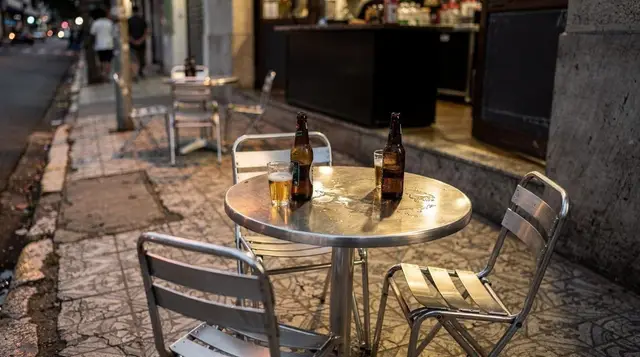
Vila Madalena is the default bar neighbourhood — a dense concentration of botecos, craft beer bars and cocktail spots, casual and walkable, popular with a mixed local and visitor crowd. It’s the best starting point if you’re not sure where to go. The bars in Vila Madalena guide covers specific recommendations.
Vila Olímpia and Itaim Bibi are the club-focused districts — larger venues, higher production value, a more upscale and dressed-up crowd, and cover charges to match. This is where to go for a proper club night rather than a bar crawl, and a rooftop bars nightlife tour through the district’s best skyline spots is a good option if you’d rather sample several venues in one guided evening than commit to just one. The clubbing in São Paulo guide covers the format and what to expect.
Rua Augusta, running from Consolação toward Paulista, mixes bars, clubs and a rougher, more alternative energy than either of the above — historically associated with the city’s underground and LGBTQ+ scenes, and still one of the more eclectic nightlife stretches in the city.
Bixiga, near Vila Madalena, leans more toward live samba and pagode than club culture, worth knowing about separately if music is more your priority than dancing. See the where to hear samba in São Paulo guide.
| Vila Madalena | Vila Olímpia / Itaim Bibi | Rua Augusta | |
|---|---|---|---|
| Vibe | Casual bars, botecos | Upscale clubs | Alternative, mixed |
| Best for | A relaxed bar night | A proper club night | Something less mainstream |
| Cover charges | Rarely | Often R$60–150 | Varies widely |
| Crowd | Mixed, casual | Dressed up | Eclectic |
Botecos: the local bar format worth understanding
A boteco is a casual, often no-frills neighbourhood bar — plastic tables, cheap cold beer, simple bar snacks — and it’s a genuinely important part of Brazilian social culture, not a lesser version of a proper bar. Some of the best nights out in São Paulo happen at unglamorous botecos rather than curated cocktail spots. The boteco culture guide covers this in depth.
Live music beyond bars and clubs
Not every São Paulo night out is built around a bar crawl or a club. Bixiga’s samba and pagode houses offer a genuinely different kind of evening — live music, dancing that’s more communal than club-style, and an older, more mixed-age crowd than the typical Vila Olímpia club night. Jazz and blues venues have grown in number too, particularly around Vila Madalena and Pinheiros, offering a lower-volume, seated alternative for an evening that still runs late without the dance-floor intensity. Rock and alternative music venues cluster loosely around Vila Madalena and Rua Augusta, part of the same alternative scene that shaped the neighbourhood’s identity in the first place. If dancing and loud music aren’t the priority, these live-music options are worth building an evening around instead of defaulting to a standard bar-and-club sequence.
A panoramic night tour with barbecue dinner is a good lower-key alternative if you want a proper night out without committing to the bar-and-club circuit — atmosphere and a real meal rather than a loud room.
A sample night out, hour by hour
For a first-timer without a specific plan, a reasonable sequence looks like this: dinner around 8pm–9pm, ideally in or near the neighbourhood you’ll be drinking in afterward to avoid unnecessary cross-town trips. A first bar stop from around 9:30pm–10pm, when places start filling but aren’t yet packed. A second bar or a shift toward a club entrance around midnight to 1am if that’s the plan for the night. If clubbing, expect to stay out until 3am or 4am for the fullest experience — Brazilian club nights run notably later than in most of Europe or North America. If sticking to bars, there’s no obligation to push that late; Vila Madalena’s boteco scene is just as legitimate ending by 1am as it is running until dawn.
Cocktails, if that’s more your speed
São Paulo’s cocktail bar scene has grown seriously over the past decade, with several bars now recognised on Latin America’s best bar lists, particularly around Jardins and Vila Madalena. The São Paulo cocktail bars guide covers the higher end specifically.
A bars and clubs walking tour is a solid way to cover Vila Madalena’s density in one guided evening, especially your first night, before you know which specific spots suit you. A general nightlife tour covers a broader route if you want a wider sample across neighbourhoods.
Practical basics before you go out
Most bars and clubs accept card without issue, though carrying a modest amount of cash helps for cover charges at smaller venues and for tipping. IDs are occasionally checked at clubs, particularly for anyone who looks under 25, so bring a passport or a photo of it if your physical passport is safely stored at your accommodation. Coat checks aren’t really a São Paulo nightlife feature given the climate — layer accordingly if you’re heading out in the cooler winter months (July–August), since evenings can drop into the low teens Celsius even though days stay mild. Smoking indoors is banned in bars and clubs city-wide, so smoking areas, where they exist, are typically outdoor or semi-outdoor spaces.
Getting home safely
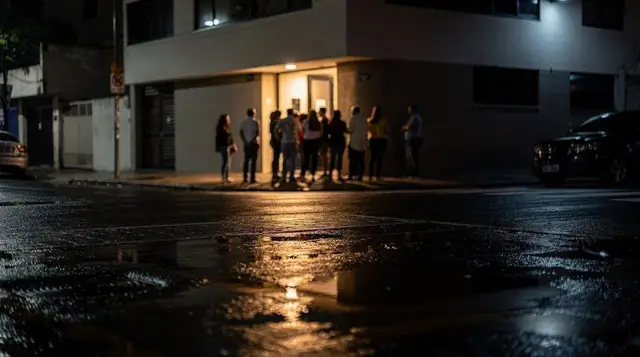
Take a rideshare (Uber or 99, both reliable and widely used) between nightlife areas and back to your accommodation rather than walking, especially after midnight — this applies in every neighbourhood, including generally safe ones like Vila Madalena. Don’t display your phone openly on the street while waiting for a car; step slightly back from the curb and keep it low. The going out safely in São Paulo guide covers this in more detail, and it’s worth reading before your first night out rather than after.
A brief history of Vila Madalena’s bar scene
Vila Madalena’s transformation into São Paulo’s default nightlife neighbourhood traces back to the 1980s and 90s, when the area’s cheap rents and proximity to USP’s main campus drew students, artists and musicians who began opening informal bars and cultural spaces in what was then a fairly unremarkable residential district. This bohemian character compounded over subsequent decades — each wave of bars, galleries and street art reinforced the neighbourhood’s identity as the place for a certain kind of countercultural, creative crowd, distinct from the more formal, business-oriented development happening elsewhere in the city around the same period.
Beco do Batman’s transformation into an internationally recognised street art destination from the 1980s onward, covered in more detail in the São Paulo street art guide, ran in parallel with this bar-scene development rather than as a separate phenomenon — the same underlying factors (cheap space, a young creative population, informal cultural experimentation) drove both. By the 2000s, Vila Madalena’s reputation as the city’s nightlife heart was well established enough to start pulling in visitors specifically for the bar scene rather than local residents alone, a shift that’s continued and intensified through the following two decades.
How São Paulo’s nightlife compares to Rio and Buenos Aires
For visitors comparing multiple South American cities, it helps to know where São Paulo’s nightlife sits relative to its two most obvious regional rivals. Rio de Janeiro’s nightlife leans more heavily on beach-adjacent bars and a stronger connection to funk and samba culture, generally more outdoor and informal than São Paulo’s, which is more indoor, bar-and-club-structured given the lack of a beachfront to build an evening around.
Buenos Aires’ nightlife runs even later than São Paulo’s — dinner routinely starts at 10pm, and clubs can stay open until dawn as standard rather than exception — making São Paulo’s already-late timing feel almost moderate by comparison. Where São Paulo distinguishes itself from both is the depth and seriousness of its electronic music and cocktail bar scenes specifically, drawing international attention (touring DJs, 50 Best Bars recognition) that neither Rio’s more beach-culture-oriented nightlife nor Buenos Aires’ tango-and-late-dinner-focused scene quite matches in the same categories.
What a full night out actually costs, itemised
It’s useful to see the full evening broken down rather than just per-category ranges. Dinner for two beforehand: R$120-250 depending on the restaurant. A first bar stop, two drinks each: R$120-200. A club cover for two, R$120-300, plus two or three drinks each inside at club prices: another R$200-350. A rideshare or two moving between venues and home: R$60-100 total. Add it up and a full night out — dinner, bar, club — for two people runs roughly R$620-1200, or very roughly US$115-220, with the club portion accounting for the largest single chunk of that range. Sticking to bars and skipping the club cuts the total meaningfully, down to perhaps R$300-550 for the same two people, which is worth knowing if budget matters more than experiencing the full club scene specifically — a boteco-and-cocktail-bar evening delivers a genuinely full night out at roughly half the cost of one that includes a club.
São Paulo’s nightlife calendar beyond the weekly rhythm
Beyond the standard Thursday-to-Saturday pattern, a few annual events reshape the nightlife calendar significantly. June’s Parada LGBT+ brings an especially dense schedule of club events and parties across the city in the days surrounding the parade itself, one of the largest Pride celebrations in the world. Carnival, in February or March depending on the year, shifts nightlife toward street blocos and samba rather than the usual bar-and-club circuit, covered separately in the Carnival in São Paulo guide. The Virada Cultural in May turns much of downtown into a 24-hour cultural event with free concerts and activities running through the night, a genuinely different kind of nightlife experience from a normal weekend. Checking whether your trip overlaps with any of these is worth doing before finalising an itinerary, since each one changes what a “normal” night out looks like substantially.
What to do if you’re jet-lagged and want an early night
Not every visitor arrives ready for São Paulo’s late rhythm, particularly on the first night or two after a long-haul flight, and there’s no obligation to force it. An early dinner around 6:30pm-7pm followed by a quieter evening — a rooftop bar for a single drink with a view rather than a full bar-and-club sequence, or simply an early night — is a perfectly reasonable way to handle the adjustment period, and most of the city’s better restaurants operate on a schedule flexible enough to accommodate an earlier-than-typical dinner without issue, even if the room around you fills up later. Save the full late-night sequence for once you’ve adjusted, typically after the second or third night, rather than pushing through jet lag to catch a club at its 1am peak on night one.
Frequently asked questions about São Paulo nightlife
What time do clubs actually get busy?
Not before 1am, typically — doors might open at 11pm but the room stays quiet until well after midnight on weekends.
Is Vila Madalena or Vila Olímpia better for a first night out?
Vila Madalena, if you want something casual and walkable. Vila Olímpia if you specifically want a proper club night and don’t mind dressing up and paying a cover.
Do I need to dress up for clubs?
Yes, generally — Vila Olímpia and Itaim Bibi clubs lean upscale, and casual streetwear can occasionally be an issue at the door. Vila Madalena bars are much more relaxed.
Is São Paulo nightlife safe for solo travellers?
Yes with normal precautions — rideshares over walking after dark, don’t display valuables, stick to well-populated areas. See the going out safely guide.
How much should I budget for a night out?
R$150–350 per person for a full evening (dinner, bar drinks, a club cover if you go) — less if you stick to botecos and skip cover charges.
Is LGBTQ+ nightlife well represented?
Yes — São Paulo has one of Latin America’s largest LGBTQ+ nightlife scenes, particularly around Rua Augusta and Vila Madalena. See the LGBTQ+ nightlife in São Paulo guide.
What night of the week is best to go out?
Thursday through Saturday for the biggest scene. Wednesday is a genuine “off-peak weeknight out” in Vila Madalena, quieter but still active.
Are there good nightlife options that don’t involve loud music?
Yes — Bixiga’s samba and pagode houses, and a growing number of jazz and blues venues around Vila Madalena and Pinheiros, offer a lower-volume, still-late evening without club-level noise.
Is it normal to move between multiple venues in one night?
Very normal — a typical night often includes dinner, one or two bars, and sometimes a club, moving locations every hour or two rather than staying in one place all night.
What if I want a big night out without the club scene specifically?
A panoramic tour with a barbecue dinner, live samba in Bixiga, or a serious cocktail bar crawl in Jardins all deliver a proper evening out without requiring the later, higher-energy club commitment.
Fitting this into your trip
One dedicated nightlife evening fits well into any weekend or three-day itinerary, ideally not the night before an early museum or day-trip start given how late things run. The night out in Vila Madalena blog post walks through what one specific evening actually looks like.
São Paulo nightlife on GetYourGuide
Verified deep-linked GetYourGuide tours. Book through these links and we earn a small commission at no cost to you.
These are our own photographs of São Paulo, not the operator's pictures of this tour — open the tour page to see those.