Fine dining in São Paulo
Is São Paulo fine dining actually worth it?
Yes — São Paulo is widely considered Latin America's strongest fine-dining city, with a genuine Michelin presence since the guide arrived in 2023. Tasting menus run R$400–1,200+ per person; book weeks ahead for the top names, and expect smart-casual dress, not strict formal wear.
São Paulo is, by most rankings, the strongest fine-dining city in Latin America — a claim that surprises visitors who only associate Brazil’s food scene with Rio’s beach culture or churrasco. The city’s density of serious kitchens, the arrival of the Michelin Guide in 2023, and decades of chefs blending Brazilian ingredients with French, Japanese and Italian technique have built something genuinely worth planning a meal around. This guide is about what’s worth the price and what to know before you book.
| Where | Concentrated in Jardins, Itaim Bibi and Vila Madalena |
| Cost | R$400–1,200+ per person for a full tasting menu with wine pairing |
| Time needed | 2.5–4 hours for a tasting menu experience |
| Getting there | Rideshare or taxi recommended over driving yourself, especially with wine pairings |
| Best time | Weeknights are easier to book than weekends; book 2–4 weeks ahead for the top names |
Why São Paulo, specifically
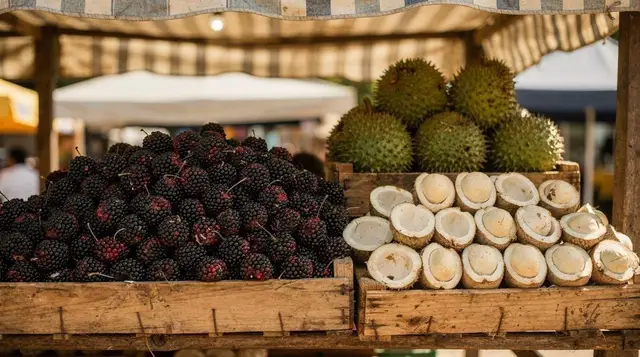
Brazil’s food wealth — coffee fortunes, waves of Italian, Japanese, Lebanese and Portuguese immigration, and a genuinely enormous domestic market — concentrated in São Paulo more than anywhere else in the country. That combination produced a chef culture with both the ingredients and the audience to support ambitious cooking, and it’s compounded over the past two decades as Brazilian chefs trained abroad and returned home to open restaurants that treat native ingredients — Amazonian fruit, native peppers, regional fish — with the same seriousness French kitchens treat their own local produce. The São Paulo food guide gives the wider picture; this page is specifically about the top tier.
The Michelin era
The Michelin Guide launched its first São Paulo edition in 2023, and several long-established kitchens picked up stars alongside newer openings — a meaningful validation for a scene that had built its reputation mostly through regional “best of Latin America” lists (Latin America’s 50 Best Restaurants, running since 2013) before Michelin arrived. What it means practically for visitors: reservations at starred restaurants got noticeably harder to secure, and prices at the very top have crept upward. It’s still more accessible than an equivalent Michelin scene in Paris or Tokyo, but book ahead regardless.
What to expect at the table
Tasting menus dominate the top tier — a fixed sequence of small courses, usually 8 to 16, often with an optional wine pairing that roughly doubles the bill. Dress code is smart-casual at almost every serious restaurant in the city; strict jacket-and-tie formality is rare even at the top. Meal times run later than in North America: a 9pm reservation is completely normal, and arriving before 8pm at a fine-dining spot can mean an unusually quiet room. A wine tasting with an expert beforehand is a good way to build context on Brazilian and South American wine before a pairing-heavy tasting menu, since the lists at top restaurants increasingly lean into Brazilian producers rather than defaulting to imports.
Choosing a neighbourhood
Jardins holds the highest concentration of the city’s most acclaimed restaurants, benefiting from proximity to Avenida Paulista and a wealthy residential base that’s supported ambitious dining for decades — if you’re only doing one fine-dining night and want the safest bet, start your search here. Itaim Bibi runs a close second, with a slightly younger, more business-dinner-oriented crowd and several of the city’s most talked-about newer openings. Vila Madalena’s fine-dining scene is smaller but growing, generally with a more relaxed, less formal atmosphere than Jardins even at a similar price point, reflecting the neighbourhood’s overall character. None of these are far apart by São Paulo standards, but choosing based on where you’re already staying or spending the day saves a cross-town trip purely for dinner.
Signature styles worth knowing before you book
Not all of São Paulo’s top kitchens cook the same way, and knowing the broad categories helps you pick a restaurant that matches what you actually want to eat rather than just a name you recognised. Some kitchens lean heavily into French technique applied to Brazilian ingredients — classical training, precise plating, wine-driven menus. Others build almost entirely around Brazilian and Amazonian biodiversity, foraging native ingredients that rarely appear on any menu outside the country and constructing a genuinely original cuisine rather than a fusion of an existing one. A smaller number specialise in reinterpreting specific regional Brazilian traditions — Bahian, Amazonian, Minas Gerais country cooking — at a fine-dining level of execution, which can be a more surprising and memorable experience than a generically international tasting menu if you’re looking for something you can’t get anywhere else in the world.
Cost, realistically
A full tasting menu with wine pairing at the city’s top restaurants runs R$800–1,200+ per person — genuinely expensive by any standard, though still meaningfully below equivalent experiences in New York, London or Paris. A step down, ambitious à la carte restaurants without the full tasting-menu format run R$150–350 per person for a substantial dinner with wine, which is where most visitors doing “one nice dinner” on a trip should probably look first rather than the absolute top tier.
| Top tasting menu | Ambitious à la carte | Solid neighbourhood restaurant | |
|---|---|---|---|
| Price per person | R$800–1,200+ | R$150–350 | R$60–120 |
| Booking lead time | 2–4 weeks | Days, sometimes walk-in | Usually none needed |
| Best for | A dedicated food-focused night | A very good normal dinner | Everyday eating |
Booking, timing and getting there
Reservations for the most in-demand restaurants open online weeks ahead and can fill fast for weekend dates — if there’s a specific restaurant you want, book as soon as your travel dates are fixed rather than waiting until you land. Take a rideshare rather than drive if you’re doing wine pairings; parking near Jardins and Itaim Bibi restaurant strips is limited and inconvenient regardless. Factor evening traffic (5pm–8pm) if your reservation falls right in that window and you’re crossing the city — a 20-minute trip can stretch to 45 minutes or more.
Wine lists and what’s actually on them
A decade ago, wine lists at São Paulo’s top restaurants leaned heavily on imports — French, Italian, Argentine and Chilean bottles dominating, with Brazilian wine treated as a curiosity if it appeared at all. That’s changed meaningfully: producers from the Serra Gaúcha region in southern Brazil have improved enough in quality that serious sommeliers now build pairings around them without apology, and a handful of restaurants have gone further, running Brazilian-only wine lists as a deliberate statement. If you’re doing a wine-paired tasting menu, it’s worth asking the sommelier directly for a Brazilian-leaning pairing rather than defaulting to the standard list — it’s a more distinctive experience and, often, a better value one, since Brazilian bottles are typically priced lower than equivalent imports once you account for import taxes on the latter.
Beyond the tasting menu: the wider scene
Fine dining in São Paulo isn’t limited to European-style tasting menus — some of the most interesting kitchens work almost entirely with Brazilian and Amazonian ingredients, building menus around native fruit, fish and cassava preparations rarely seen outside the country. If you want a broader introduction before committing to one big dinner, a Brazilian food tour with a chef and photographer covers a wider cross-section in a single afternoon. At the more novelty end of the scene, a private dinner with a retired MMA champion sits at the odd end of the city’s fine-dining scene, and it books out well ahead. The cooking classes in São Paulo guide is a good alternative if you’d rather learn technique than just eat it.
The chef who changed how the world saw Brazilian fine dining
No discussion of how São Paulo’s fine-dining scene reached its current stature is complete without mentioning Alex Atala, whose restaurant became internationally recognised through the 2010s for building tasting menus almost entirely around Amazonian ingredients — ants, native fruit, river fish — treated with the same technical seriousness as any European classical kitchen. Atala’s international profile, including repeated appearances near the top of the World’s 50 Best Restaurants list during that period, did more than any single event to convince the global food press that Brazilian fine dining deserved to be judged on its own terms rather than as a regional curiosity.
A generation of São Paulo chefs who trained under or alongside him, or were simply inspired by the model he proved commercially viable, carried that Amazonian-ingredient-forward approach into their own kitchens over the following decade, which is a large part of why the “native ingredients treated seriously” style described earlier in this guide is now so widespread across the city’s top tier rather than the work of one standout outlier.
São Paulo versus Lima: South America’s two fine-dining capitals
The most natural international comparison for São Paulo’s fine-dining scene isn’t a European or North American city but Lima, Peru, which built its own internationally recognised gastronomic reputation over roughly the same period, centred on restaurants blending Peruvian ingredients and techniques — ceviche traditions, Amazonian and Andean produce — with global fine-dining technique. Both cities’ rise reflects a similar underlying story: a wave of chefs, some trained abroad, choosing to build serious fine dining around native biodiversity and culinary heritage rather than importing a European or North American model wholesale.
The practical difference for a visitor choosing between the two as a food-focused destination is less about quality — both cities field genuinely world-class kitchens — and more about culinary character: Lima’s scene leans more heavily into seafood and Andean ingredients given Peru’s geography, while São Paulo’s greater size and immigrant diversity give its top kitchens a broader range of technique and influence to draw from, including strong Japanese-Brazilian and Italian-Brazilian threads alongside the Amazonian-ingredient movement.
Common mistakes visitors make booking São Paulo fine dining
A few recurring errors are worth flagging. Booking a tasting menu on the same day as a physically demanding sightseeing day, rather than pairing it with a lighter day as already advised, routinely means arriving too tired to fully enjoy a three-to-four-hour dining experience. Assuming walk-in availability at a Michelin-recognised restaurant, particularly on a weekend, is a mistake that can derail an entire evening’s plan — always confirm a reservation exists rather than hoping for a table on arrival.
Skipping the wine pairing to save money at a restaurant specifically known for its sommelier program undersells the experience the kitchen was actually designed around, since many top tasting menus are conceived with specific pairings in mind rather than as a food-only sequence. And assuming every fine-dining restaurant in São Paulo serves distinctly Brazilian food is a misconception worth correcting — plenty of the city’s most acclaimed kitchens work in French, Japanese or Italian idioms with only incidental Brazilian influence, so it’s worth asking directly if a specifically Brazilian-ingredient-forward experience is what you’re after.
How menus shift with the seasons
Brazil’s Southern Hemisphere seasons shape top kitchens’ menus in ways that can surprise visitors used to a Northern Hemisphere calendar. Summer months, December through March, bring the widest range of tropical fruit and lighter seasonal produce, and many kitchens lean into brighter, more acidic flavour profiles during this stretch. Winter, June through August, tends to bring heartier, richer menu compositions built around root vegetables and preserved ingredients, a shift that mirrors how European kitchens adjust between summer and winter but on the opposite calendar. If a specific seasonal ingredient or style interests you, it’s worth checking a restaurant’s current menu description before booking rather than assuming a menu you’ve read about online reflects what’s actually being served during your specific travel dates, since top kitchens typically rotate their full tasting sequence several times a year.
A worked example: what a sixteen-course tasting menu actually involves
To make the abstract “8 to 16 courses” description more concrete, a typical top-tier tasting menu sequence might run: two or three small snack-style opening courses meant to be eaten in one or two bites, followed by a cold or raw course built around fish or a vegetable preparation, several warmer savoury courses of gradually increasing richness, a palate-cleansing course, a main protein course, and finally two or three dessert courses moving from lighter to richer. Including the pacing between courses, a full sixteen-course sequence with wine pairing genuinely takes three and a half to four hours from being seated to finishing coffee — worth knowing precisely because it clarifies why this guide recommends building an entire evening, not just a dinner slot, around a top tasting-menu booking.
Frequently asked questions about fine dining in São Paulo
Do I need to book weeks in advance?
For the top Michelin-recognised restaurants, yes — 2 to 4 weeks ahead is a reasonable minimum, longer for weekend dates. Ambitious but less in-demand restaurants often take bookings within the same week.
Is São Paulo fine dining formal?
Smart-casual almost everywhere. Strict jacket-required dress codes are rare even at the top tier — a collared shirt and decent trousers or a nice dress covers nearly every restaurant in the city.
How does São Paulo compare to Rio for fine dining?
São Paulo is generally considered stronger and deeper — more restaurants, more variety, more international recognition. Rio’s food scene leans more toward beach-adjacent casual dining. See the São Paulo vs Rio de Janeiro comparison.
What’s a realistic budget for one big dinner?
R$400–800 per person without wine pairing at most top restaurants, more with pairing. À la carte alternatives at ambitious but less famous restaurants can deliver a very good meal for R$150–350.
Are reservations available in English?
Yes, most top restaurants’ booking systems and staff handle English without issue, given how international their clientele already is.
Is it worth doing a tasting menu on a short trip?
If food is a priority, yes, but budget the full evening — 3 to 4 hours is standard for a full tasting menu with pairing, which is a meaningful chunk of a short visit.
What should I order if I want something distinctly Brazilian, not just European technique with local ingredients?
Ask specifically for a menu built around native ingredients — Amazonian fish, native fruit, cassava preparations — rather than a generically international tasting menu. Several of the city’s most acclaimed kitchens specialise in exactly this.
Which neighbourhood should I choose for a fine-dining dinner?
Jardins has the highest concentration of top-tier restaurants and is the safest default. Itaim Bibi is a close second with a slightly younger crowd. Choose based on proximity to where you’re staying to avoid a long cross-town trip purely for dinner.
Should I ask for Brazilian wine specifically, or stick to the standard list?
Ask for it — Brazilian wine, particularly from the Serra Gaúcha region, has improved enough that top sommeliers now build serious pairings around it, and it’s often better value than imports once import taxes are factored in.
Can I get a fine-dining experience without a full tasting menu commitment?
Yes — most top restaurants also run an à la carte menu alongside the tasting format, letting you order two or three courses rather than committing to the full multi-hour sequence. Ask when booking if this matters to you.
Fitting this into your trip
One dedicated fine-dining evening fits comfortably into a three-day or longer itinerary — build it around a lighter sightseeing day rather than after a full day of walking. The food lover’s São Paulo itinerary plans a multi-day trip that balances one or two big dinners against street food and casual meals.
São Paulo food & drink tours on GetYourGuide
Verified deep-linked GetYourGuide tours. Book through these links and we earn a small commission at no cost to you.
These are our own photographs of São Paulo, not the operator's pictures of this tour — open the tour page to see those.