Cooking classes in São Paulo
Is a São Paulo cooking class worth booking?
Yes, particularly if you want to understand Brazilian food rather than just eat it — most classes run around four hours, cover multiple recipes (feijoada, brigadeiro, caipirinha-making), and end with a full meal you helped prepare. Budget R$250–400 per person, no prior cooking skill required.
A cooking class is a different kind of food experience from a restaurant meal or a walking tour — slower, hands-on, and structured around understanding technique rather than just tasting the result. São Paulo’s classes generally focus on core Brazilian dishes rather than the city’s wider international food scene, which makes sense: this is where visitors actually want a deeper connection to Brazilian cooking specifically, not the city’s Japanese or Italian influences, which have their own dedicated guides.
| Where | Fixed kitchen locations, usually central neighbourhoods |
| Cost | R$250–400 per person, ingredients and the meal included |
| Time needed | 3.5–4 hours |
| Getting there | Rideshare or metro depending on location; check the specific meeting point |
| Best time | Late morning or early afternoon starts are most common |
What a typical class covers
Most São Paulo cooking classes are built around a set menu of recognisably Brazilian dishes rather than a single technique — expect to make something from the feijoada or moqueca family, a farofa (toasted cassava flour side dish), brigadeiro (Brazilian chocolate truffles) for dessert, and often a caipirinha as part of the session, treating the drink as a recipe in its own right rather than an afterthought. The pace is generally beginner-friendly: instructors walk through each step, explain the reasoning behind Brazilian techniques that might be unfamiliar (how farofa is toasted, why feijoada is cooked so slowly), and the group eats everything made together at the end.
The four-hour cooking class covering nine recipes with bottomless drinks is the most complete version currently available — nine dishes is a genuinely substantial spread for a single session, covering savoury, dessert and drink components rather than just one or two token recipes.
A sample class, hour by hour
Most sessions follow a recognisable rhythm even when the specific recipes differ. The first 20–30 minutes are typically an introduction — ingredients laid out, a walkthrough of what’s on the menu for the day, and often a brief explanation of Brazilian food culture and why the chosen dishes matter regionally. The next two hours or so are hands-on cooking, usually broken into stages so the group works on the slower-cooking items (feijoada, if included, needs real simmering time) while prepping faster components like farofa or brigadeiro in parallel. The final hour is generally eating together, often with the instructor sitting down with the group rather than simply serving and stepping back — a detail that makes the format feel more like a shared meal with a knowledgeable host than a formal lesson. Drinks, including caipirinha-making if it’s part of the session, are typically woven in throughout rather than saved only for the end.
Who this is actually good for
Cooking classes work best for visitors who want more than a passive food experience — if you’re the type who asks a waiter how a dish is made, or you cook regularly at home and want new techniques to bring back, this delivers more than a tasting tour will. It’s less ideal if you’re short on time or more interested in trying a wide range of dishes than making a smaller number properly; a food tour covers more ground in less time if breadth matters more than depth.
| Cooking class | Food tour | Fine dining | |
|---|---|---|---|
| Time | 3.5–4 hours | 3–4 hours | 2.5–4 hours |
| Involvement | Hands-on | Walking, tasting | Passive, seated |
| What you learn | Technique | Context, variety | Little, but the food is exceptional |
| Best for | Home cooks, curious eaters | First-timers wanting overview | A special-occasion meal |
Choosing between operators
If you’re comparing multiple cooking class listings, a few details are worth weighing beyond price. Check how many recipes are actually included — some classes cover two or three dishes in the same time slot that others use to cover six or more, which changes both the pace and how much you leave having learned. Look at whether the class is held in a dedicated cooking studio or a private home; both work, but a dedicated studio typically has better equipment for a group, while a home setting can feel more personal. Group size matters too — a smaller class means more individual attention and hands-on time per person, while a larger one can feel more like a demonstration with occasional participation.
No experience required
Classes are designed for a general audience — no prior cooking skill assumed, and instructors typically work in English or bilingually given the international clientele. Groups are usually small enough that everyone gets hands-on time rather than watching a demonstration from a distance, though group size varies by operator, so check details if that matters to you.
The dishes you’re most likely to learn
Feijoada, Brazil’s national dish — black beans stewed slowly with various cuts of pork — anchors most class menus, partly because it’s culturally significant and partly because its long, slow cooking process makes it a natural centrepiece around which faster dishes can be prepped. Moqueca, a Bahian fish stew built on coconut milk and dendê (palm) oil, appears on some menus as an alternative or addition, bringing a north-eastern Brazilian flavour profile distinct from São Paulo’s own food culture. Farofa, toasted cassava flour often mixed with butter, bacon or egg, is close to a mandatory side dish in Brazilian cooking and worth learning simply because it appears constantly at Brazilian tables. Brigadeiro — condensed milk, cocoa and butter rolled into truffle-like balls and coated in chocolate sprinkles — is the near-universal dessert choice, partly because it’s genuinely popular and partly because it’s simple enough to teach in the class’s final stretch without derailing the schedule.
Bringing it home
Beyond the meal itself, most classes send participants away with either printed or digital recipe cards, which is arguably the most lasting value of the experience — a genuine, correctly proportioned feijoada or brigadeiro recipe is a better souvenir than most physical items you could buy. The what to bring home from São Paulo guide covers other options if you want something physical too.
Why this format works particularly well in São Paulo
São Paulo’s food identity is genuinely harder to summarise than a lot of destinations — it’s not a single national cuisine but a layered mix of Brazilian regional traditions plus multiple immigrant food cultures, which can leave visitors without a clear entry point into “what to eat here.” A cooking class solves that by picking a defined, guided path through a handful of dishes rather than leaving you to piece the picture together from restaurant menus alone. It’s also a rare opportunity to get direct, informal cultural context from an instructor who’s usually happy to answer broader questions about the city and its food history while you’re working alongside them, in a way that’s harder to replicate at a restaurant table where staff are busy serving other guests.
How it fits with the rest of the food scene
A cooking class works well paired with, not instead of, exploring São Paulo’s restaurants and markets — it deepens your understanding of what you’re eating elsewhere rather than replacing the need to go out and eat. The São Paulo food guide gives the wider context, and if cachaça and caipirinha-making is a highlight of your class, the cachaça and caipirinha explained guide goes deeper into the spirit itself.
The history behind feijoada, briefly
Feijoada’s exact origins are genuinely debated among Brazilian food historians, and it’s worth knowing the more nuanced version rather than the simplified story some cooking classes still tell. The popular account credits enslaved Africans in colonial Brazil with inventing the dish from discarded pork cuts — ears, tails, feet — that plantation owners didn’t eat themselves, framing feijoada as a dish born from scarcity and resourcefulness.
Contemporary historians have complicated this story considerably: similar bean-and-meat stews existed in Portugal and other parts of Europe well before Brazilian colonisation, and the dish likely developed as a genuine fusion of Portuguese, African and Indigenous culinary traditions over generations rather than a single invented moment tied to slavery specifically, even though slavery’s brutal economics undeniably shaped which cuts of meat were available to whom throughout Brazil’s colonial and imperial period. A good cooking class instructor will usually touch on this complexity rather than repeating the simplified origin story uncritically — worth asking about directly if the class you book doesn’t bring it up unprompted, since it’s a more honest and more interesting version of how the country’s national dish actually came together.
Cooking class costs compared to other food experiences
It’s useful to see how a cooking class’s price sits against other food-focused ways to spend an afternoon or evening in São Paulo.
| Experience | Typical cost per person | Time |
|---|---|---|
| Cooking class (nine recipes) | R$250-400 | 3.5-4 hours |
| Guided food tour | R$150-300 | 3-4 hours |
| Fine dining tasting menu | R$300-600+ | 2.5-4 hours |
| Casual restaurant dinner | R$60-120 | 1-2 hours |
A cooking class sits in the middle of this range, more expensive than a casual dinner but generally cheaper than a serious tasting menu, and it delivers something neither alternative does — a recipe and technique you leave with rather than just a meal or a walking route. For a genuinely food-focused trip, the case for including at least one cooking class alongside a food tour and a nicer dinner is strong: each covers different ground rather than duplicating the others.
A common mistake: booking a class as your only food activity
A mistake worth flagging directly: some visitors book a single cooking class and treat it as covering their “Brazilian food” requirement for the whole trip, then skip restaurants and markets on the assumption they’ve already learned what they need to know. This undersells both the class and the wider food scene — a cooking class teaches you to make a handful of specific, mostly home-style dishes well, but it doesn’t substitute for eating at São Paulo’s restaurants, which cover a vastly wider range of regional Brazilian cuisine and the city’s immigrant food traditions that no single class attempts to teach. The strongest approach treats a cooking class as one component of a broader food itinerary — deepening your understanding of a few core dishes — rather than the whole plan. Pair it with time at a feira livre, a meal in Liberdade, and at least one proper sit-down dinner to get the fuller picture a class alone doesn’t cover.
What happens to leftovers and recipe cards
Practical detail worth knowing before you book: most classes send you home with more than just the printed or digital recipe. Some operators pack up any extra food beyond what the group eats on-site, useful if your accommodation has a fridge and you’d rather have Brazilian leftovers for the next day than order in. Recipe cards typically list ingredients by their Brazilian names alongside international equivalents, useful for shopping once you’re home, though a handful of ingredients — fresh cassava flour for farofa, specific cachaça brands — genuinely aren’t available outside Brazil or South America, and the better classes will flag substitutions for these rather than leaving you to work it out later.
Private classes versus scheduled group sessions
Beyond the standard scheduled class, several operators offer private sessions built around your own group, timing and sometimes menu preferences — a meaningful step up in cost, typically 1.5 to 2.5 times the per-person group rate, but worth it for a special occasion, a group with specific dietary needs across the board, or simply wanting more one-on-one instructor time than a shared class allows. A private class also opens up more flexibility on timing, useful if your schedule doesn’t align neatly with a fixed group slot, and some operators will adjust the recipe list toward dishes a group is specifically curious about rather than sticking to the standard set menu. For a group of four or more, the per-person premium over a group class narrows considerably, making private sessions a genuinely reasonable option rather than a pure luxury upgrade.
Frequently asked questions about São Paulo cooking classes
Do I need cooking experience to join?
No — classes are designed for a general audience, and instructors adjust guidance based on the group’s comfort level.
Is the class conducted in English?
Most operators catering to visitors run classes in English or bilingually, but confirm with the specific operator if this matters to you.
How much food do you actually get?
A full meal — classes typically produce enough food for everyone to eat properly at the end, not just small tasting portions.
Is it worth doing both a cooking class and a food tour?
Yes, if your trip is food-focused and long enough — they cover different ground (technique versus breadth) and complement rather than duplicate each other.
Can dietary restrictions be accommodated?
Many operators can adjust for vegetarian or allergy needs with advance notice — contact them before booking rather than assuming it’s automatic. See the vegetarian and vegan São Paulo guide for context.
What’s the most useful dish to learn to make?
Feijoada, if you cook Brazilian food again at home — it’s the dish most associated with the country and the one most visitors are curious about. Brigadeiro is the easiest to replicate afterward with minimal specialty ingredients.
Do classes include alcohol?
Some do, including caipirinha-making as part of the session — check the specific class description, since it varies by operator.
What dishes are most classes built around?
Feijoada is the near-universal anchor dish, often paired with farofa as a side and brigadeiro for dessert. Some classes add moqueca (a Bahian fish stew) or other regional dishes depending on the operator.
How long is a typical class, start to finish?
Around 3.5 to 4 hours total, including introduction, hands-on cooking time and the shared meal at the end.
Do I need to bring anything?
No — ingredients, equipment and aprons are provided. Comfortable, closed-toe shoes are a reasonable idea given the kitchen setting, though most venues are set up for visitors without prior notice needed.
Is a cooking class a good activity for a group or family?
Yes — the hands-on, shared format works well for groups and is generally more engaging for a mixed-age group than a passive tour, though very young children may find a multi-hour class long.
Fitting this into your trip
A cooking class fits well as a single afternoon within a three-day or longer itinerary — it’s a good lower-energy alternative to a full walking day if you want a break from constant sightseeing. The food lover’s São Paulo itinerary builds it in alongside restaurants, markets and a food tour across a multi-day trip.
São Paulo food & drink tours on GetYourGuide
Verified deep-linked GetYourGuide tours. Book through these links and we earn a small commission at no cost to you.
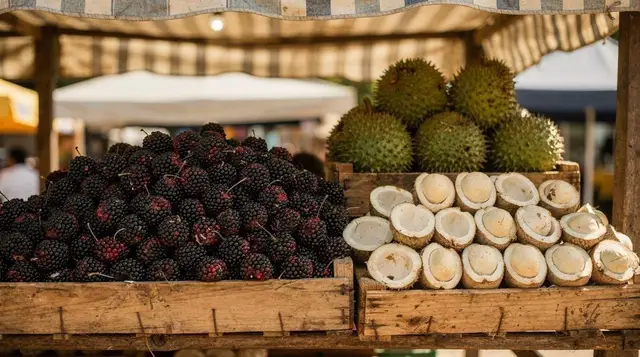
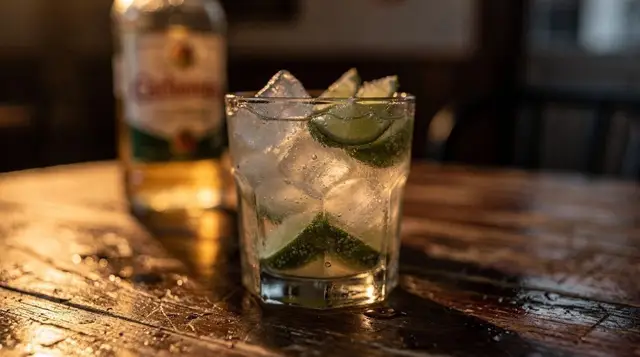
These are our own photographs of São Paulo, not the operator's pictures of this tour — open the tour page to see those.