A food lover's São Paulo
São Paulo is Brazil’s biggest food city by a wide margin, built on layers of immigration — Italian, Japanese, Lebanese, and dozens more — that show up in the food far more clearly than in any monument. This three-day plan follows that logic through four neighbourhoods, each shaped by a different wave of arrivals, without pretending you can eat everything worth eating in a single trip. Come hungry, and don’t schedule anything strenuous immediately after lunch on any of these three days.
| Where | Pinheiros, Centro Histórico, Liberdade, Bixiga |
| Cost | R$500–900 per person over three days (about US$100–180) on food alone |
| Time needed | Three full days |
| Getting there | Metro Lines 1 Blue, 3 Red and 4 Yellow cover the whole route |
| Best time | Any weekday; Saturday works well for Bixiga’s traditional cantina culture |
Day one: Pinheiros
Pinheiros has quietly become one of the city’s best food neighbourhoods without the tourist density of Vila Madalena next door. Start with a late breakfast — pão de queijo and coffee from a padaria, the neighbourhood bakery-café hybrid that’s a genuine São Paulo institution, covered in more depth in the padaria culture guide. A padaria breakfast, ordered at the counter and eaten standing or at a small table, runs R$15–25 and is the closest thing São Paulo has to a daily ritual — locals stop in on the way to work rather than treating it as a sit-down meal, and it’s worth doing the same rather than lingering the way you might at a café back home.
Spend the rest of the morning walking Rua Purpurina and the surrounding blocks, then join a Pinheiros food and graffiti tour for lunch — it pairs street art with a genuinely good selection of stops rather than tourist-facing restaurants. Dinner in Pinheiros runs the full range, from casual botecos to some of the city’s more ambitious contemporary Brazilian kitchens; budget R$60–120 per person depending on how far you push it. If cocktails are part of your evening, Pinheiros has a real bar scene alongside its restaurants — worth pacing yourself for, since day two starts with a market visit best done without a hangover. Full context in the Pinheiros guide.
Day two: Centro Histórico in the morning, Liberdade for the rest of the day
Morning, 9am–1pm: the Mercado Municipal
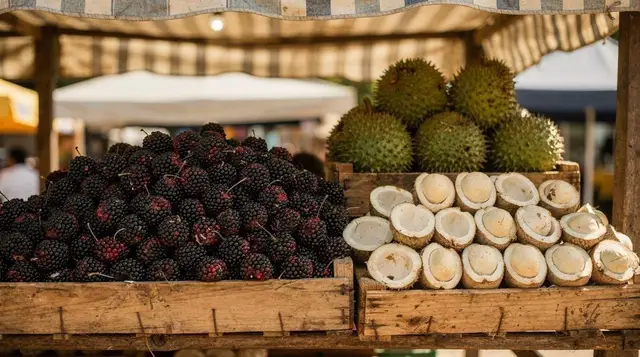
Take the metro to São Bento or Sé and walk to the Mercado Municipal — the city’s grand 1933 market hall, and the birthplace of the mortadella sandwich, an absurdly stacked slice of bread piled with thin mortadella that’s become a genuine São Paulo institution. Go for it, but know what you’re paying for: the stands directly inside the market’s main hall charge inflated tourist prices, R$50–70 for a sandwich that costs a fraction of that at a normal boteco. It’s still worth trying once for the experience, but don’t judge São Paulo’s mortadella culture by this one overpriced version — the full story is in the mortadella sandwich piece. The market’s produce stalls, piled with tropical fruit most visitors have never seen, are worth a slower browse than the sandwich counter gets. Full detail in the Mercado Municipal guide.
Afternoon and evening, 2pm–late: Liberdade
Take Line 1 Blue one stop south to Liberdade. This is São Paulo’s historic Japanese immigrant neighbourhood, the largest such community outside Japan, and the food reflects it — izakaya-style small plates, ramen counters, and on weekends, a genuinely excellent street food market in Praça da Liberdade. The market itself is worth arriving to hungry rather than full — skewers, dumplings, and mochi-style sweets are sold in small, shareable portions specifically designed for grazing across dozens of stalls rather than committing to one large plate. A Liberdade street food tour is worth booking specifically for the market days, since the sheer number of stalls can be overwhelming without guidance on what’s actually good. Dinner here is some of the best value in the city — a full izakaya spread runs R$40–70 per person, noticeably cheaper than equivalent Japanese food elsewhere in São Paulo. Full detail in the Liberdade guide and the Japanese food in São Paulo guide.
Day three: Bixiga
Bixiga, officially part of Bela Vista, is the historic heart of São Paulo’s Italian immigrant community and the place most food-focused paulistanos will tell you invented the city’s specific style of pizza — thin-crusted but generously topped, a distinct tradition from both Naples and New York. Rua Treze de Maio and the surrounding blocks hold a cluster of old-school Italian cantinas serving family-style meals meant for sharing, a genuinely different pace from the rest of this itinerary; budget a long, unhurried lunch here rather than trying to move quickly. A São Paulo food tour covering the flavors of Brazil is a good option if you’d rather have a guide navigate the neighbourhood’s many similar-looking cantinas for you, since the difference between a genuinely old-school kitchen and a newer imitation isn’t always obvious from the street.
If a Saturday falls within your three days, this is also the natural day to try feijoada, the black bean and pork stew considered Brazil’s national dish — many traditional restaurants across the city, including several near Bixiga, serve it specifically as a Saturday lunch tradition rather than an everyday menu item, so timing matters here more than for any other single dish on this itinerary. See the feijoada in São Paulo guide for where it’s done properly.
If your visit falls on a Saturday, the neighbourhood’s weekly street market adds another layer — produce, prepared food and the general bustle of a working-class Italian-Brazilian district going about its weekend. Full context in the Bixiga guide.
What to drink alongside this itinerary
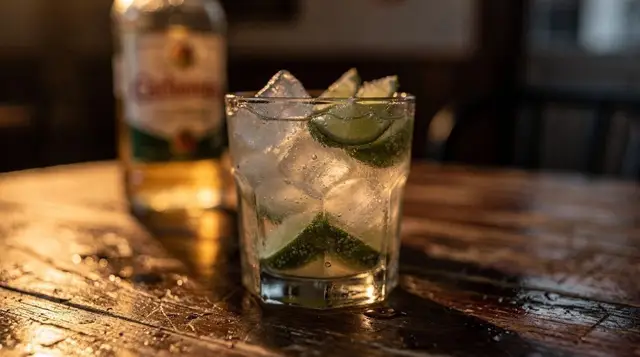
Food-focused trips tend to skip the drinks side of the story, which is a mistake in a city that takes both seriously. Cachaça, the sugarcane spirit behind the caipirinha, is worth trying properly rather than as a single tourist-menu cocktail — a well-made caipirinha with quality cachaça and fresh lime is a genuinely different drink from the syrupy versions served at low-effort bars, and it’s worth asking specifically for a boutique or artesanal cachaça if you want to taste the difference. Coffee is the other thread running through all three days — São Paulo state grows and processes a significant share of the country’s beans, and the city’s specialty coffee scene, concentrated in Pinheiros and Vila Madalena, is worth a stop even for travellers who’d normally just grab a padaria coffee on the way past. See the cachaça and caipirinha guide and the coffee in São Paulo guide for where to go deeper on either.
The four neighbourhoods, side by side
| Pinheiros | Centro Histórico | Liberdade | Bixiga | |
|---|---|---|---|---|
| Food identity | Contemporary, mixed | Market culture, mortadella | Japanese immigrant | Italian immigrant |
| Best meal of the day | Dinner | Lunch (market) | Dinner | Lunch |
| Price range | R$60–120 | R$50–70 (market) | R$40–70 | R$50–90 |
| Best day to go | Any | Weekday, to avoid market crowds | Weekend for the street market | Saturday for the neighbourhood market |
Weather and closures: the honest plan B
This itinerary is naturally rain-resistant since almost everything on it happens indoors or under market roofs — the Mercado Municipal, Liberdade’s restaurants, and Bixiga’s cantinas are all comfortable regardless of a December-through-March afternoon storm. The one exception is Liberdade’s weekend street market on day two, which is genuinely outdoor and thins out fast in heavy rain; if the forecast looks bad specifically for a Saturday or Sunday, treat the market as a bonus rather than the meal itself and lean on the neighbourhood’s sit-down izakaya restaurants instead, all of which run normal hours regardless of weather.
Sunday afternoons thin out the Mercado Municipal earlier than other days — several produce stalls close by early-to-mid afternoon rather than running the full weekday hours, so a Sunday visit works best before 1pm if the produce section, not just the sandwich counters, is part of the plan. The market itself doesn’t close on Mondays, unlike the museums referenced in other itineraries on this site, so day two’s morning is unaffected by the day of the week.
What this trip costs, by day
| Day one (Pinheiros) | Day two (Centro + Liberdade) | Day three (Bixiga) | |
|---|---|---|---|
| Transport | R$10–15 | R$15–20 (two neighbourhoods) | R$10–15 |
| Food | R$100–170 (breakfast, lunch, dinner, drinks) | R$110–190 (market snacks, izakaya dinner) | R$90–150 (long lunch, market snacks) |
| Daily total | R$110–185 | R$125–210 | R$100–165 |
This tracks the R$500–900 total from the summary table, with day two running highest since it covers two distinct food neighbourhoods rather than one.
What to sacrifice if a day runs long
If day two overruns, keep the Liberdade dinner and shorten the Mercado Municipal visit instead — the market rewards a fast, focused pass (mortadella sandwich, a walk through the produce stalls) more than a lingering one, while Liberdade’s evening is the genuine highlight of the day. If day three’s long cantina lunch pushes into the afternoon, that’s by design rather than a problem to fix; this is the one day in the itinerary built without anything scheduled after lunch specifically so it can run long.
Frequently asked questions about a food-focused São Paulo trip
Is the Mercado Municipal mortadella sandwich actually worth the price?
As an experience, yes, once. As value for money, no — the same style of sandwich costs a fraction of the price at a normal boteco elsewhere in the city. Do it for the ritual, not the bargain.
Which neighbourhood has the best value food?
Liberdade, by a clear margin — the izakaya-style dinners here are noticeably cheaper than equivalent quality elsewhere in the city, partly because the neighbourhood caters heavily to a local Japanese-Brazilian community rather than tourists.
Do I need reservations for the Bixiga cantinas?
For dinner on a Friday or Saturday, yes — the well-known spots fill up with regulars. Lunch is more relaxed and easier to walk into without booking ahead.
Is this itinerary vegetarian-friendly?
Partly — Liberdade’s food culture has strong vegetarian options within Japanese cuisine, and the Mercado Municipal’s produce stalls are obviously plant-based. Bixiga’s cantina culture is more meat-centric; see the vegetarian and vegan São Paulo guide for specific recommendations across all four areas.
How much walking is involved in this food itinerary?
Moderate — each day is centred on one or two neighbourhoods rather than criss-crossing the city, so the walking is mostly within a compact area, punctuated by long sit-down meals.
Can I compress this into two days instead of three?
Yes, by combining Centro Histórico and Liberdade into one day, as laid out in the two-day itinerary’s general structure, and treating Pinheiros and Bixiga as a choice rather than doing both.
What should I try that isn’t on a typical “must eat” list?
Brazilian tropical fruit at the Mercado Municipal’s produce stalls — jabuticaba, cupuaçu, graviola — none of which travel well enough to be common outside Brazil. See the Brazilian fruit guide for what to look for and how to eat it.
Should I book any of these three days around a specific meal time?
Yes — the Mercado Municipal is best visited in the late morning, before the lunchtime crush arrives and before the produce stalls start closing sections down mid-afternoon. Everything else on this itinerary has more flexible timing.
Is tap water safe, and should I worry about street food hygiene generally?
São Paulo’s tap water is treated, though most residents and visitors drink bottled or filtered water out of habit rather than necessity. Street food and market stalls with high, visible turnover — busy queues, food cooked to order in front of you — are generally a safer bet than stalls with food sitting out for long periods, a reasonable rule anywhere.
Fitting more food into a longer trip
If three days of eating leaves you wanting more structure around it, the three-day itinerary covers the same city with a sightseeing-first lens instead, useful if you want to balance this trip with non-food stops. For a deeper single-week dive into São Paulo’s food culture specifically, see the week of eating in São Paulo piece, and for the wider context on why the city’s food culture is shaped the way it is, the São Paulo food guide and how immigration built São Paulo both go deeper than a single itinerary can.
São Paulo food & drink tours on GetYourGuide
Verified deep-linked GetYourGuide tours. Book through these links and we earn a small commission at no cost to you.
These are our own photographs of São Paulo, not the operator's pictures of this tour — open the tour page to see those.