A guide to Itaim Bibi and Vila Olímpia
Are Itaim Bibi and Vila Olímpia worth a visit for tourists, not just business travellers?
Yes, mainly for the evening — this is where a large share of São Paulo's restaurant and nightlife scene has relocated over the past decade. By day it's a corporate district with limited sightseeing value; by night, especially Thursday through Saturday, it's one of the liveliest parts of the city.
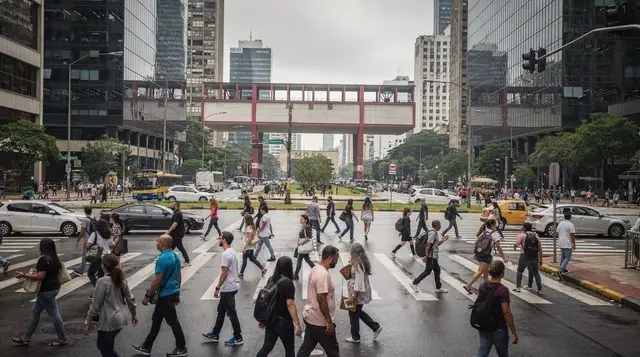
Itaim Bibi and Vila Olímpia sit side by side along Avenida Brigadeiro Faria Lima, São Paulo’s newest financial corridor, and together they represent a genuinely useful thing for visitors to understand: this is where São Paulo’s money moved in the last twenty years, and its restaurant and nightlife scene followed. Neither neighbourhood has much in the way of conventional sightseeing — no museums, no historic squares — but by evening they’re among the most reliably lively parts of the city, and that’s the honest reason to come.
| Where | Along and around Avenida Brigadeiro Faria Lima, south of Jardins |
| Cost | Free to walk; dinner runs R$70–180 per person; bar drinks R$20–35 |
| Time needed | An evening, rather than a full day |
| Getting there | Metro Faria Lima or Vila Olímpia, both Line 4 Yellow |
| Best time | Thursday to Saturday evening |
Why this is a corporate district by day
Faria Lima itself is lined almost continuously with glass office towers housing Brazil’s major banks, investment firms and consultancies — the closest thing São Paulo has to a financial district in the Wall Street or Canary Wharf sense. During business hours it’s efficient, orderly, and largely uninteresting for a leisure visitor: workers moving between towers, limited street life, and little reason to linger unless you’re here for a meeting. If you’re passing through by day, Parque do Povo, a narrow strip of green space running alongside part of the avenue, is a reasonable spot for a break, but it’s not a destination on its own.
How Faria Lima became São Paulo’s financial corridor
Twenty-five years ago, this stretch of the city was a comparatively modest residential and light-commercial area; the shift toward finance and corporate headquarters accelerated through the 2000s and 2010s as older business districts closer to the centre became congested and companies sought newer, purpose-built towers with better parking and infrastructure. The result is one of the fastest and most visible transformations of any São Paulo neighbourhood in living memory — residential streets replaced almost block by block with glass towers, restaurants and hotels following the corporate tenants rather than the other way around. It’s a useful case study in how quickly this city’s geography of money can shift, and a preview of what’s happening more slowly in other corridors like Vila Olímpia’s own recent transition from an industrial zone into its current bar-and-office mix.
Itaim Bibi’s quieter residential side
Away from Faria Lima itself, the older residential blocks of Itaim Bibi retain a calmer, more settled character — mid-rise apartment buildings, small local shops, and a slower pace than the corporate corridor a few streets over. It’s not a sightseeing destination, but it’s worth knowing this side exists if you’re staying in the area, since it offers a genuinely different, quieter experience than the restaurant strip after dark. This residential character is part of why Itaim Bibi works reasonably well as an accommodation base for travellers who want proximity to Jardins and Faria Lima without the nightlife noise of Vila Olímpia itself, an easy walk from the Avenida Paulista corridor further north.
Where the evening actually happens
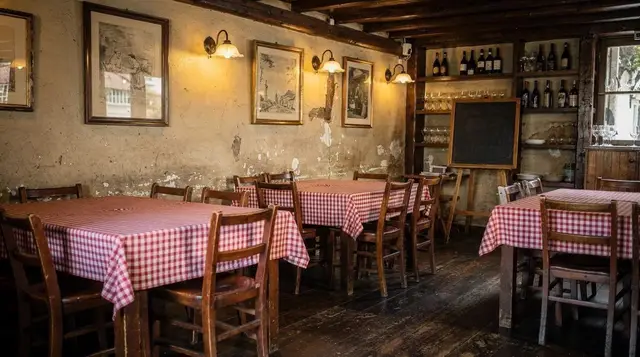
The energy shifts completely after 7pm. Rua Joaquim Floriano and the streets around it in Itaim Bibi carry one of the densest concentrations of restaurants in the city, spanning everything from casual bar food to serious contemporary dining, and reservations are worth making for anywhere well-regarded on a Friday or Saturday. A short walk or ride into Vila Olímpia, the bar and club scene picks up around Rua Fidêncio Ramos and the surrounding blocks — busy, loud, and generally safe to walk between venues in a group, though rideshares are the sensible way to get here and home rather than walking long stretches alone late at night. A guided nightlife tour is a reasonable way to get a curated first night out here without guessing which venues suit you.
LGBTQ+ nightlife
Itaim Bibi and Vila Olímpia host a meaningful part of São Paulo’s LGBTQ+ nightlife scene, distinct from the longer-established gay bar strip in Consolação — generally more upscale, club-oriented venues rather than dive bars. A private city highlights and LGBTQIA+ scene tour is a solid way to get oriented on a first visit, especially if you want current, on-the-ground recommendations rather than guessing which venues are worth the cover charge. Full context on the wider scene is in the LGBTQ+ São Paulo guide and LGBTQ+ nightlife in São Paulo guide.
A practical evening plan
If you’re building a night around this area rather than wandering without a plan, this sequence works well: book an early dinner reservation (7–8pm) on or near Rua Joaquim Floriano, then move toward Vila Olímpia around Rua Fidêncio Ramos for drinks once the dinner crowd starts thinning out — bars here generally pick up from around 10pm onward on Thursday through Saturday. Rooftop and hotel bars scattered through both neighbourhoods offer a calmer alternative to the street-level club scene if a loud night isn’t what you’re after; ask at your accommodation for current recommendations, since this is a fast-changing scene where venues open and close faster than in more established nightlife districts like Vila Madalena.
Shopping JK Iguatemi
Near the Vila Olímpia end of Faria Lima, Shopping JK Iguatemi is one of the city’s most upscale malls, with a heavier concentration of international luxury brands than most other São Paulo shopping centres. It’s a reasonable rainy-day fallback or an easy lunch stop if you’re in the area for other reasons, but it’s not, on its own, a reason to make the trip.
Getting here and getting around after dark
Both neighbourhoods sit on Line 4 Yellow, with stations at Faria Lima and Vila Olímpia putting you within walking distance of most of what’s described here. During evening rush hour (5–8pm), the metro is genuinely the faster option — Faria Lima’s surface traffic backs up badly, and a taxi or app ride that should take 15 minutes can stretch to 40. Late at night, after the metro stops running, budget R$20–40 for a short rideshare between venues rather than walking long stretches of Vila Olímpia’s quieter side streets alone.
Itaim Bibi and Vila Olímpia versus Vila Madalena: two different nightlife scenes
| Itaim Bibi / Vila Olímpia | Vila Madalena | |
|---|---|---|
| Vibe | Upscale, club-oriented | Bohemian, bar-crawl, live music |
| Typical crowd | Young professionals | Students, artists, a broader mix |
| Cost level | Higher | More affordable |
| Best for | A polished night out | A casual, wandering night out |
See the bars in Vila Madalena guide for the other side of this comparison.
Budgeting an evening here
A realistic per-person budget: R$70–180 for dinner depending on how ambitious the restaurant, R$20–35 per drink at bars in Vila Olímpia, and R$20–40 for rideshares to and from the area — call it R$150–300 (roughly US$30–60) for a full evening of dinner and a couple of drinks. This is noticeably higher than a comparable night in Vila Madalena, which is worth factoring in if you’re travelling on a tighter budget; see the how much does São Paulo cost guide for a fuller citywide comparison.
What’s overrated here
By daylight, neither neighbourhood offers much to a visitor without a specific restaurant or bar destination in mind — the office towers along Faria Lima are not architecturally distinctive enough to justify a dedicated daytime visit, unlike the modernist landmarks in Jardins or Centro. Don’t build a full day around this area; build an evening.
Frequently asked questions about visiting Itaim Bibi and Vila Olímpia
Is there anything worth seeing here during the day?
Limited — Parque do Povo and Shopping JK Iguatemi are the main daytime options, and neither is a must-see. Plan a daytime visit elsewhere and come back for dinner or nightlife.
How do I get between Itaim Bibi and Vila Olímpia?
They’re adjacent and connected by a short walk or a two-minute metro ride between Faria Lima and Vila Olímpia stations on Line 4 Yellow.
Is it safe to walk around at night?
The main restaurant and bar streets are busy and generally safe; quieter side streets late at night are better covered by a short rideshare than on foot, especially alone.
Do I need a reservation for dinner here?
For anywhere well-regarded, yes, particularly Friday and Saturday evenings — this is one of the most booked-up dining areas in the city on weekend nights.
Is this a good base to stay in if I’m visiting São Paulo?
It works well for business travellers and those prioritising restaurants and nightlife, but it’s less central for sightseeing than Jardins or Centro. See where to stay in São Paulo for a fuller comparison.
How does the LGBTQ+ scene here compare to Consolação?
Vila Olímpia and Itaim Bibi skew more upscale and club-oriented; Consolação has the longer-established, more varied bar scene. Many visitors do both on different nights.
What’s the best way to get home late at night?
A rideshare app rather than walking, especially after the metro stops running for the night — the cost is modest and it’s the safer option in most parts of the city after dark.
Why did this area become so expensive so quickly?
Faria Lima’s transformation into a financial corridor over the past two decades pulled corporate tenants, and eventually restaurants and nightlife, out of older business districts — the concentrated demand pushed prices up faster here than almost anywhere else in the city.
Vila Olímpia’s industrial past
Before it became a bar-and-office district, Vila Olímpia was a working industrial zone, its streets lined with warehouses and small factories serving the city’s mid-20th-century manufacturing economy. That industrial fabric didn’t disappear so much as get repurposed — several of the area’s larger bars and event spaces occupy converted warehouse buildings, with high ceilings and exposed structure that read as deliberately raw against the glass towers now surrounding them, a similar arc to how New York’s Meatpacking District or London’s Shoreditch moved from industrial use into nightlife and later corporate real estate. Knowing this history changes how a few of the area’s more distinctive venues read — the exposed brick and steel in some Vila Olímpia bars isn’t decorative retro styling, it’s the literal building fabric left over from the neighbourhood’s previous life, adapted rather than reproduced.
”Faria Lima” as financial shorthand
In Brazilian business and financial media, “Faria Lima” has become a shorthand term for the country’s banking and investment establishment, roughly the way “Wall Street” functions in American English — used to describe not just the street itself but the concentration of major banks, asset managers, and increasingly fintech and venture capital firms that have clustered along this corridor over the past two decades. Brazil’s startup and fintech scene in particular has grown heavily concentrated here, drawn by proximity to the capital and talent already based in the corporate towers, making this stretch of São Paulo genuinely significant to the country’s broader economy well beyond its role as a nightlife destination for visitors. This context is worth knowing if a business contact or local mentions “Faria Lima” in conversation — it often means the financial sector generally, not literally the street.
What weekends look like during the day
Unlike Vila Madalena, which sustains a genuine daytime weekend crowd around its cafés and the Praça Benedito Calixto market, Itaim Bibi and Vila Olímpia are honestly quite dead during Saturday and Sunday daytime hours — the office workers who fill the area on weekdays are gone, and the evening restaurant and bar crowd hasn’t arrived yet. A weekend afternoon walk here can feel oddly empty compared to the area’s evening reputation, worth knowing so you don’t plan a daytime Saturday visit expecting the same energy described elsewhere in this guide. If you’re in the area on a weekend day for a specific reason, treat it as a quiet, functional stretch of the city rather than an active neighbourhood to explore, and save the actual visit for evening as this guide recommends throughout.
Business travellers: hotels and amenities
Given the corporate concentration along Faria Lima, both neighbourhoods have a correspondingly dense cluster of business-oriented hotels, from international chains with full meeting and event facilities to smaller boutique properties aimed at the same corporate traveller. This makes the area a genuinely practical base for anyone here primarily for work, with easy walking access to office towers and a strong evening restaurant scene to unwind in afterward without needing to travel elsewhere in the city. For a leisure traveller without business reasons to be in the area specifically, though, the trade-off remains what this guide describes throughout — convenience for meetings and dining against a genuine lack of daytime sightseeing, which tips the balance toward Jardins or Vila Madalena as a base unless work is the primary reason for the trip.
Coffee shops and daytime work spots
Despite the limited conventional sightseeing described throughout this guide, the corporate density along Faria Lima has produced a genuinely strong weekday coffee shop scene, catering to office workers grabbing a meeting coffee or working through emails between calls. Several specialty coffee shops here rival the better-known spots in Vila Madalena or Jardins on quality, if not on atmosphere — expect efficient, business-paced service rather than the slower, more lingering café culture found elsewhere in the city. This is a reasonable practical stop if you’re passing through the area during the day for a meeting or a specific errand and want a decent coffee rather than treating the neighbourhood purely as a nightlife destination, though it’s not, on its own, worth a special daytime trip the way the evening scene described throughout this guide is.
Getting a table without a reservation
If you arrive without having booked ahead, a few practical fallbacks work reasonably well. Arriving right when a restaurant opens for dinner service, typically around 7pm, gives a real chance at a walk-in table before the evening rush fills the room, particularly midweek rather than Friday or Saturday. Bar seating and counter spots at busier restaurants are often available on a walk-in basis even when table reservations are fully booked, a workable option if you’re flexible about the format of the meal. Failing that, Vila Olímpia’s bar scene has enough density that moving on to a second or third option nearby is rarely difficult, unlike a single-destination dinner plan that depends entirely on one specific restaurant having space.
Fitting this into a longer trip
On a three-day itinerary, an evening in Itaim Bibi or Vila Olímpia works well as a change of pace after a day spent in Centro Histórico or on Avenida Paulista. On a five-day itinerary, it’s a natural pairing with a daytime visit to nearby Jardins, since the two areas border each other along Faria Lima. See also the São Paulo nightlife guide for how this fits into the city’s broader after-dark scene.
São Paulo neighborhood tours on GetYourGuide
Verified deep-linked GetYourGuide tours. Book through these links and we earn a small commission at no cost to you.
These are our own photographs of São Paulo, not the operator's pictures of this tour — open the tour page to see those.