How much does São Paulo cost
How much does a day in São Paulo actually cost?
Budget travellers can manage on roughly R$150–250 (about US$28–47) a day using hostels, street food and public transport. Mid-range trips comfortable with a private room, sit-down meals and occasional rideshares run R$350–600 (US$65–110) a day. Luxury travel with high-end hotels and private transfers starts around R$900+ (US$170+) a day. Prices are comparable to Rio and generally cheaper than most Western European or North American cities.
São Paulo isn’t a cheap Brazilian beach town, but it’s also nowhere near as expensive as its size and status as South America’s business capital might suggest. Prices sit in a genuinely wide range depending on how you travel — a backpacker sharing a hostel dorm and eating from padarias spends a fraction of what a business traveller at a five-star Jardins hotel does, and both experiences are entirely legitimate ways to visit. This guide breaks down real costs across three travel tiers, using current São Paulo prices in R$ with approximate USD for context.
| Where | Costs vary by neighbourhood — Jardins and Itaim Bibi run higher, Bixiga and Liberdade lower |
| Cost | R$150–250/day budget, R$350–600/day mid-range, R$900+/day luxury (all per person) |
| Time needed | Costs stay roughly consistent day to day; day trips to the coast add R$150–400 on top |
| Getting there | Airport transfer costs vary by airport — Congonhas is cheapest, GRU costs more given distance |
| Best time | Prices don’t swing much seasonally, aside from a modest bump around Carnival and New Year |
Budget travel: roughly R$150–250 a day (US$28–47)
A genuinely workable budget day in São Paulo includes a hostel dorm bed (R$60–100), meals mostly from padarias and self-service per-kilo restaurants (R$25–45 for a filling meal), and public transport via metro and bus using a Bilhete Único card (single fares around R$5). A per-kilo lunch — pay by weight at a buffet, standard across the city — is the single best budget food move here, often delivering a genuinely good meal for R$20–35 depending on the neighbourhood. Free or near-free activities like walking Ibirapuera Park, wandering Vila Madalena’s street art, or a self-guided pass through the historic centre fill out the rest of a budget day easily. See free things to do in São Paulo and a day in São Paulo without spending anything for more.
Mid-range travel: roughly R$350–600 a day (US$65–110)
This is where most visitors following this site’s guides will land. It covers a private hotel room in a well-located neighbourhood (R$180–350/night), a mix of casual and sit-down restaurant meals (R$40–90 per meal), occasional rideshares rather than exclusively public transport, and one paid activity every day or two. A two-hour downtown-centre walking tour is a reasonable example of a mid-range activity spend, typically well under R$150 per person and worth it for the context and orientation it provides on an early day of a trip. Staying connected also matters at this tier — an eSIM data plan for Brazil costs a modest amount relative to the trip overall and pays for itself in avoided confusion, wasted taxi time and easier restaurant bookings.
Luxury travel: R$900+ a day (US$170+)
At the top end, São Paulo has genuinely excellent five-star hotels, particularly concentrated in Jardins and Itaim Bibi, along with a fine-dining scene that rivals major global food capitals — some of Latin America’s most internationally recognised restaurants operate here. A luxury day easily runs R$900 to well over R$2,000 depending on hotel tier and whether private guides or transfers are part of the plan. A private transfer from Guarulhos airport is a small but genuinely worthwhile upgrade at this tier — a fixed-price, door-to-door start to the trip rather than negotiating a taxi rank after a long flight. See fine dining in São Paulo for what the top of the food scene actually looks like.
Breaking down the biggest cost categories
| Category | Budget | Mid-range | Luxury |
|---|---|---|---|
| Accommodation (per night) | R$60–100 (dorm/basic) | R$180–350 | R$700+ |
| Meals (per day, 3 meals) | R$60–100 | R$150–280 | R$400+ |
| Local transport (per day) | R$15–25 (metro/bus) | R$40–80 (mixed metro/rideshare) | R$150+ (mostly private) |
| One activity | R$0–50 | R$80–200 | R$300+ |
| Airport transfer (one-way) | Bus/metro, R$10–20 | Rideshare, R$60–120 | Private transfer, R$150–300 |
Where São Paulo compares to Rio and other cities
Prices in São Paulo run broadly comparable to Rio de Janeiro for equivalent tiers of accommodation and dining, sometimes marginally cheaper on hotels outside the beach-driven high season that inflates Rio’s Copacabana and Ipanema pricing. Compared with major Western European or North American cities, São Paulo is meaningfully cheaper across nearly every category except imported goods and international-brand retail, which carry Brazil’s high import taxes. See São Paulo versus Rio de Janeiro for a fuller city-to-city comparison beyond just cost.
Hidden costs worth budgeting for
A few costs catch first-time visitors off guard. Card payment surcharges are rare in Brazil generally, but always ask before assuming a small vendor accepts card at all — cash still matters at markets and some smaller restaurants. Airport currency exchange offers notably worse rates than an ATM withdrawal in the city — see money in Brazil: cards, Pix and cash for the better alternatives. Tipping, while not obligatory, is customary at 10% in restaurants (often already included as a service charge on the bill) — see tipping in Brazil for the full etiquette. And day trips to the coast or mountains add real cost on top of a city-only budget — typically R$150–400 per person depending on distance and whether transport is shared or private.
A sample itemised three-day mid-range budget
To make the numbers concrete, here’s what a genuinely typical mid-range three-day solo trip looks like added up: two nights at a well-located Jardins or Vila Madalena hotel (R$500–700 total), nine meals mixing per-kilo lunches with two or three nicer dinners (R$450–650), a metro pass plus occasional rideshares (R$150–200), one paid activity like a walking tour or museum entry with skip-the-line access (R$100–200), and a round-trip airport transfer (R$200–400 depending on airport and whether shared or private). That totals roughly R$1,400–2,150 for three days excluding international flights — comfortably within the mid-range daily estimate above once spread across three days, and a useful anchor figure for scaling up or down to a longer trip.
Shopping and souvenirs: what to expect
Brazilian-made goods — leather goods, handicrafts from places like Embu das Artes, coffee, cachaça — are reasonably priced and make sensible souvenirs, typically R$30–150 depending on the item. Imported international brands, electronics and anything carrying Brazil’s substantial import taxes cost noticeably more than in North America or Europe, sometimes double, so this isn’t the place to shop for a new phone or foreign-brand clothing. Rua 25 de Março downtown is the classic bargain-shopping destination for smaller items and gifts at genuinely low prices, if a slightly chaotic, crowded one. See what to bring home from São Paulo and Rua 25 de Março: the bargain district for specifics.
Does the season affect prices?
Not dramatically, unlike Brazil’s beach destinations where high season roughly doubles hotel rates. São Paulo’s business-driven hotel market means weekday rates during the working week can actually run higher than weekends, the reverse of the beach-town pattern, since corporate travel drives much of the city’s hotel demand. The clearest price bump comes around Carnival and New Year’s Eve, when accommodation and popular restaurant reservations both tighten up and cost more — see Carnival in São Paulo and New Year’s Eve in São Paulo for planning around those specific dates.
Travelling as a couple or group versus solo
Costs per person drop meaningfully when accommodation and private transfers are shared — a hotel room splits two ways cuts the single biggest daily cost category roughly in half per person, and a private airport transfer or private tour, priced per vehicle rather than per person on many bookings, becomes noticeably better value for two or more travellers than the same trip solo. Solo travellers pay the accommodation cost in full but save on food, since eating alone at per-kilo restaurants carries no group-dining premium the way some sit-down restaurants do for larger tables. See solo travel in São Paulo for the fuller solo-specific breakdown.
How to cut costs without cutting the trip short
The single biggest lever is accommodation location and type — a well-reviewed hostel or budget hotel a short walk from a metro station in Vila Madalena or Liberdade costs a fraction of a Jardins five-star without meaningfully hurting your ability to get around, given how strong the metro network is. The second biggest lever is food: eating where paulistanos eat — per-kilo restaurants, padarias, street food at markets — costs a third or less of touristy sit-down restaurants near major sights, often with better food to show for it. Public transport via Bilhete Único, covered in the Bilhete Único guide, beats rideshare costs decisively on any route the metro actually covers.
Family budget considerations
Travelling with children changes the daily maths in a few specific ways worth planning for. Many hotels and per-kilo restaurants don’t charge extra for young children, and family-friendly attractions like Ibirapuera Park or the historic centre cost nothing beyond transport, which helps offset other costs. But families also tend toward private transfers and rideshares over public transport more than solo or couple travellers do, given the hassle of navigating the metro with a stroller during rush hour, and that shift toward private transport is the single biggest reason a family’s per-person daily cost often runs higher than the mid-range estimate above despite kids eating and sleeping for less.
Budgeting an extra R$100–150 per day above the standard mid-range figure for a family of four is a reasonable, honest adjustment, covering the transport premium and the occasional paid kids’ attraction like Hopi Hari or the zoo and aquarium. See São Paulo with kids for the fuller family-specific planning picture.
Common budgeting mistakes
A few cost-related mistakes show up repeatedly among first-time visitors. Exchanging a large sum of currency at the airport rather than withdrawing from a city ATM is the most common and most avoidable, given how much worse airport exchange rates typically run. Assuming rideshare pricing will match home-country expectations is another — some visitors, pleasantly surprised by how cheap an initial ride is, default to rideshares for every single trip rather than mixing in the far cheaper metro, and the daily total adds up faster than expected as a result. Underbudgeting for day trips is a third mistake specifically worth flagging here: a coastal or mountain day trip genuinely adds R$150–400 on top of a normal city day, and forgetting to account for this when totalling a trip budget is an easy oversight that shows up as a real gap once the final numbers are tallied.
Frequently asked questions about São Paulo travel costs
Is São Paulo expensive compared to the rest of Brazil?
Somewhat, yes — it’s one of Brazil’s pricier cities alongside Rio, largely due to its status as the country’s financial and business centre, though it remains inexpensive by international standards.
How much should I budget per day for a mid-range trip?
Roughly R$350–600 (US$65–110) per person per day, covering a private hotel room, a mix of restaurant meals, some rideshare use and one activity every day or two.
Is it cheaper to eat at per-kilo restaurants than regular sit-down restaurants?
Significantly, yes — a filling per-kilo lunch typically runs R$20–35, against R$50–90+ for an equivalent sit-down restaurant meal.
Do I need cash, or does card work everywhere in São Paulo?
Card and Pix work almost everywhere, including small purchases, but carry some cash for markets, smaller vendors and emergencies. See money in Brazil for specifics.
How much does a day trip to the coast cost on top of a city budget?
Typically R$150–400 per person depending on distance and whether you use shared transport, a bus, or a private transfer — see the best day trips from São Paulo.
Is tipping expected in São Paulo?
Not obligatory, but customary — 10% is standard at restaurants, often already added to the bill as a service charge. See tipping in Brazil for the full breakdown by service type.
Are there ways to visit São Paulo essentially for free?
Not entirely, but very cheaply — many of the city’s best experiences (Ibirapuera Park, street art in Vila Madalena, the historic centre) cost nothing beyond transport. See a day in São Paulo without spending anything.
Do prices in São Paulo change much between neighbourhoods?
Yes, noticeably — a meal or hotel room in Jardins or Itaim Bibi typically costs 30–60% more than the equivalent in Bixiga, Liberdade or further-out neighbourhoods, for a broadly comparable standard.
Is it worth exchanging currency before arriving, or better to withdraw once in Brazil?
Almost always better to withdraw from an ATM after arrival, or pay by card directly — pre-trip currency exchange and airport exchange counters both typically offer worse rates than a standard ATM withdrawal or card transaction. See money in Brazil for the details.
How much extra should I budget if I want to see a football match?
Match tickets through official channels or a bundled tour typically run R$80–300 depending on the fixture and seating, on top of normal daily costs — see how to buy football tickets in São Paulo.
Is it worth buying travel insurance for a São Paulo trip?
Yes, and it’s a small cost relative to the overall trip — most policies run a modest daily fee and cover the realistic risks (medical costs, delayed flights, theft) far more cheaply than paying out of pocket if something goes wrong. This is a genuinely cheap line item worth including in any budget tier above the strictest backpacker level, and one first-time visitors to Brazil underestimate more than seasoned travellers do.
What surprises visitors most about São Paulo prices
Two things tend to catch first-time visitors off guard. The first is how good mid-tier dining is for the price — a R$60–90 dinner in São Paulo frequently outperforms a far more expensive equivalent in a major North American or European city, since the ingredient and labour cost base here supports genuinely high-quality food well below what similar quality commands elsewhere. The second is how much international goods cost by contrast — anyone expecting to shop for electronics, name-brand clothing or imported cosmetics at anything like home-market prices will find Brazil’s import taxes push these categories noticeably higher. Planning around this gap — spend generously on food and experiences, sparingly on imported retail — tends to produce both a better and a cheaper trip than the reverse.
Building a budget into your trip plan
Once you’ve settled on a spending tier, it slots directly into the broader planning process covered in planning a trip to São Paulo and how many days do you need in São Paulo. For a real-world account of what a week actually cost one traveller, see what a week in São Paulo actually costs.
Trip-planning essentials on GetYourGuide
Verified deep-linked GetYourGuide tours. Book through these links and we earn a small commission at no cost to you.
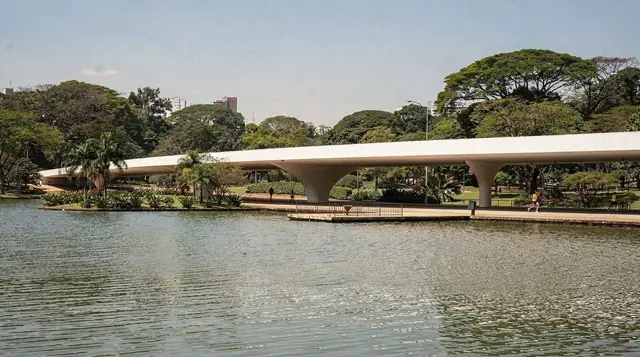
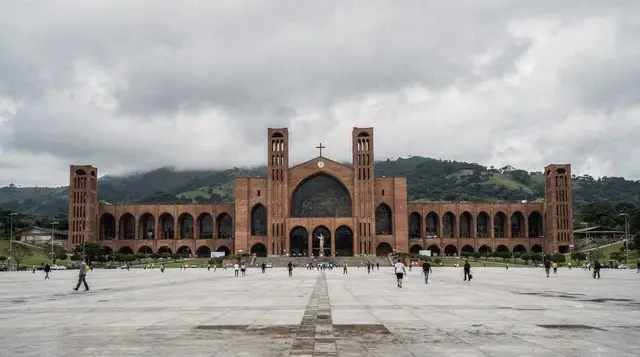
These are our own photographs of São Paulo, not the operator's pictures of this tour — open the tour page to see those.