What to do in São Paulo when it rains
What should you do in São Paulo when it rains?
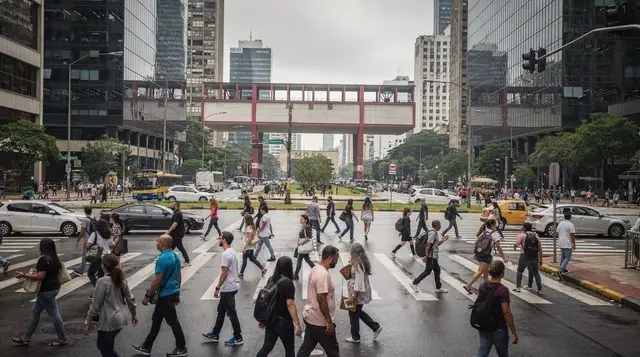
Head for MASP or the Pinacoteca for serious art indoors, Mercado Municipal for a covered market experience with lunch built in, or a shopping mall like Iguatemi or Shopping Cidade São Paulo if you just need shelter and food. São Paulo's summer storms (December–March) are usually short and intense rather than day-long — waiting one out over a coffee is often the simplest plan.
São Paulo’s rain has a specific character worth understanding before you plan around it. Between December and March, afternoon thunderstorms arrive with almost no warning — a clear morning can turn into a genuine downpour by 3 or 4pm, usually clearing within an hour or two rather than settling in for the day. Outside that window, particularly April through August, rain is less frequent and more likely to be a steadier, all-day drizzle rather than a violent storm. Either way, the city has enough indoor options that a rainy day doesn’t have to be a wasted one — it just needs a different plan than the walking-heavy itineraries built for clear weather.
For the seasonal context behind this, see the best time to visit São Paulo guide and the living with São Paulo’s afternoon storms blog piece.
| Where | MASP and Paulista, Centro Histórico’s covered spaces, shopping malls citywide |
| Cost | R$0–70 (~US$0–13) depending on museum entry |
| Time needed | A storm typically clears within 1–3 hours in summer |
| Getting there | Metro avoids the worst of surface flooding on major roads |
| Best time to plan around it | Check the radar app each morning — storms are very localised |
Museums: the obvious and correct first move
MASP is the natural rainy-day anchor — the collection (Bosch, Rembrandt, Portinari, and a strong Brazilian modernist wing) is good enough to fill two to three unhurried hours, and it’s entirely indoors. A skip-the-line MASP tour is worth it on a rainy day specifically because everyone else has the same idea and the queue lengthens accordingly. See the MASP guide for the full visiting details.
The Pinacoteca do Estado is the better second option if you’ve already done MASP or want something less crowded — a strong Brazilian collection in a converted 19th-century building, with a genuinely moving memorial to victims of the military dictatorship. A skip-the-line Pinacoteca tour covers it well. See the Pinacoteca guide.
Mercado Municipal, under a stained-glass roof
The Mercadão is fully covered and makes a genuinely good rainy-day plan — you get the market atmosphere, a proper lunch (the mortadella sandwich, R$45–60, ~US$8–11, is the classic order), and shelter from the storm all in one stop. It gets more crowded on rainy days as people funnel in from the surrounding streets, so the mezzanine level is a better bet for finding a seat. See the Mercado Municipal guide.
Farol Santander, if the rain isn’t too heavy
The observation deck itself is outdoors, but the building’s lower floors — exhibition spaces inside a restored 1930s bank tower — are worth a visit on a lighter rainy day, and the view from the top, when visibility allows, has a different character with storm clouds moving across the skyline. Skip this one if the rain is genuinely heavy; the view won’t be worth the exposure getting there.
Shopping malls: not glamorous, but genuinely useful
São Paulo has a strong mall culture, and on a serious storm day, a shopping centre is a perfectly reasonable plan — not for the shopping necessarily, but for the food courts, cinemas and simple shelter. Shopping Cidade São Paulo and Iguatemi São Paulo are both well located near Jardins and Paulista respectively, with good food options beyond typical mall fare. This isn’t a glamorous recommendation, but it’s an honest one: sometimes the best rainy-day plan is simply somewhere dry with decent food while you wait out a storm that will likely pass within a couple of hours anyway.
Football museum and other niche indoor stops
The Museu do Futebol, inside the Pacaembu stadium, is a genuinely well-designed museum even for visitors with only casual interest in football — interactive exhibits on the sport’s role in Brazilian culture, entirely indoors. A skip-the-line Museum of Football tour covers it efficiently. The Catavento science museum downtown is a strong option if you’re travelling with kids and need somewhere engaging and dry — see the rainy days in São Paulo with kids guide for the full family-focused version of this plan.
Bars and restaurants as a legitimate rainy-afternoon plan
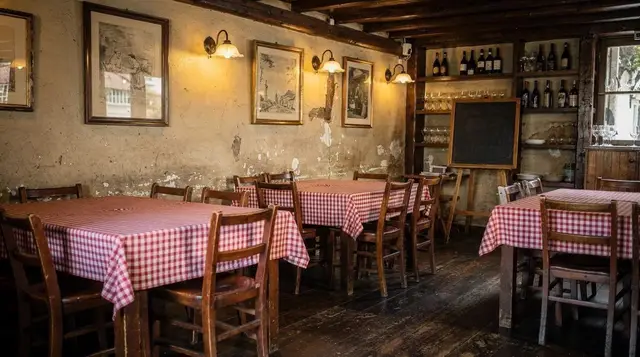
Don’t discount simply picking a good bar or restaurant and settling in — Vila Madalena and Pinheiros have enough good, comfortable spots that riding out a storm over a long lunch or an early round of drinks is a genuinely pleasant way to spend a rainy hour or two, rather than a fallback. This is especially true for the short, violent summer storms, which are often better waited out than actively planned around.
How rain differs by season
The character of São Paulo’s rain changes enough across the year that a single “rainy day plan” doesn’t quite cover every scenario. December through March, the summer months, bring the dramatic afternoon storms most visitors picture — clear mornings, then a sudden drop in light, a wall of rain, thunder, and often localised flooding on low-lying streets, all clearing within a couple of hours. April through August tends toward drier conditions overall, with July and August (winter) being the driest and coolest stretch of the year; when rain does show up in this window, it’s more likely a persistent light drizzle under grey skies than a dramatic storm.
September through November, spring, sits between the two — increasingly frequent rain as the season progresses toward summer, with the ipê trees blooming brilliant yellow and pink along the streets in a nice trade-off for the returning humidity. Knowing which pattern you’re likely to hit shapes how much you should build indoor flexibility into your itinerary. See the best time to visit São Paulo guide for the month-by-month breakdown.
Packing and practical prep
A compact umbrella and a light rain jacket cover almost every scenario here — heavy waterproof gear is overkill outside a genuinely unusual storm. Waterproof or quick-drying shoes make more difference than most people expect, since even a short summer downpour can leave standing water on sidewalks for twenty or thirty minutes afterward. If you’re relying on a phone for maps and ride-hailing, a waterproof pouch or case is worth packing given how suddenly the rain can start. Locals rarely carry umbrellas the way visitors expect — many simply duck into the nearest covered doorway, café, or metro entrance and wait a storm out, which is honestly the most efficient approach given how briefly the worst of it usually lasts.
Rideshares and taxis during a storm
Uber and 99 both see surge pricing spike sharply the moment a storm hits, as demand jumps and drivers slow down on flooded streets — a ride that costs R$15 on a clear afternoon can briefly hit R$40–50 during the first twenty minutes of a downpour. If you can, wait ten to fifteen minutes for the initial surge to ease rather than booking immediately when the rain starts. The metro doesn’t have this problem and is the more predictable option whenever your route allows it.
What to avoid entirely when it’s raining
Street art tours and any of the outdoor walking routes through Vila Madalena or Centro Histórico lose most of their appeal in heavy rain and are worth rescheduling rather than pushing through. Ibirapuera Park and the other green spaces become genuinely unpleasant — muddy paths, no shelter for long stretches — and are best saved for a clear day. Favela tours, which involve walking through hillside streets, should be avoided or rescheduled in heavy rain for both comfort and practical footing reasons.
Comparing your rainy-day options by storm intensity
| Light rain / drizzle | Heavy summer storm | |
|---|---|---|
| Best plan | Farol Santander, Centro Histórico walk with cover | MASP, Pinacoteca, Mercadão, or a mall |
| Duration to plan for | Could last the day (autumn/winter drizzle) | Usually 1–2 hours (summer storm) |
| Transport | Metro, avoid walking long stretches | Metro strongly preferred over walking or driving |
| Worth rescheduling | Street art tours, park visits | Almost any outdoor activity |
How much rain actually falls, month by month
Numbers help set realistic expectations better than general seasonal descriptions alone. January through March are consistently the wettest months, with rainfall these months roughly double what you’d see in June, July or August, the driest stretch of the year. The practical takeaway isn’t just “summer is wetter” — it’s that the character of the rain differs as much as the quantity: summer’s total volume arrives in short, intense bursts concentrated in late afternoon, while winter’s smaller totals spread more evenly and drizzle-like across whatever days it does rain. A trip planned for June or July genuinely faces a different, lower-stakes rain risk than the same length of trip in January, both in frequency and in how disruptive any given rainy spell is likely to be to an outdoor plan.
Flooding hotspots worth knowing about
São Paulo’s drainage system struggles with the intensity of its summer storms specifically, and certain low-lying stretches flood predictably enough that locals plan around them without needing a weather report — Marginal Pinheiros and Marginal Tietê, the two riverside expressways that ring much of the city, are the most notorious, backing up into serious, sometimes hours-long traffic delays whenever a heavy storm hits during rush hour. As a visitor, this mostly matters for rideshare and taxi planning rather than walking routes: if you’re heading to or from the airport during a storm, especially GRU via routes that touch these marginais, build in significant extra time rather than assuming a normal transfer duration. The metro, which doesn’t run along these flood-prone corridors, remains the more reliable option specifically because it sidesteps this particular problem entirely.
What locals actually do differently when it rains
Paulistanos treat a summer storm with a specific, practiced nonchalance that’s worth adopting rather than fighting: rather than pushing through a downpour with an umbrella, most simply duck into the nearest covered doorway, café awning or metro entrance and wait, correctly betting that the worst of it will pass within the hour. Meetings and casual plans shift by twenty or thirty minutes without much fuss if a storm is clearly rolling through, a flexibility that’s built into how the city functions during summer specifically rather than being treated as a disruption each time. Adopting this same low-stress approach — building slack into your afternoon rather than racing between covered stops — makes a rainy day noticeably less stressful than trying to out-plan the weather with a rigid schedule.
A rainy downtown alternative: guided rather than self-directed
If navigating Centro Histórico’s covered spaces and indoor stops on your own during a storm feels like more logistics than you want to manage, a guided highlights tour covering the city’s history and curiosities can be adapted around indoor stops with a guide who already knows which covered routes and interiors work best on a wet day, removing the guesswork of building your own weather-proof route.
Rescheduling and cancellation practicalities
If rain threatens a booked outdoor activity, most GetYourGuide-listed tours allow free rescheduling or cancellation with reasonable notice — check the specific policy attached to your booking rather than assuming a blanket rule, since this varies by operator and activity type. For activities booked directly with a smaller local operator rather than through a platform, policies are less standardised, so it’s worth asking about weather flexibility at the time of booking rather than discovering the policy only when a storm actually hits. Building at least one flexible, unscheduled block into a multi-day itinerary — rather than booking every hour of every day in advance — gives you genuine room to shift plans around a storm without losing money or scrambling last minute, a small piece of trip planning that pays off disproportionately in a city where afternoon summer storms are a near-daily possibility for a third of the year.
Frequently asked questions about rain in São Paulo
How long do São Paulo’s storms usually last?
Summer storms (December–March) are typically intense but brief — often clearing within one to two hours. Outside summer, rain is more likely to be a lighter, longer drizzle rather than a dramatic storm.
Is it worth checking the weather each morning?
Yes — São Paulo’s summer storms are very localised and can be forecast with reasonable accuracy a few hours out. A weather radar app is more useful here than a daily forecast alone.
Should I reschedule outdoor tours if rain is forecast?
For anything booked through GetYourGuide or similar platforms, most operators allow free rescheduling with enough notice — check the specific tour’s cancellation policy before booking if rain is a genuine concern for your dates.
What’s the best single indoor activity if I only have time for one?
MASP — it’s the most complete standalone experience, requires no advance planning beyond tickets, and can fill two to three hours comfortably.
Does rain affect the metro?
Rarely — the metro system is largely unaffected by rain, unlike surface roads, which can flood in low-lying areas during heavy storms. It’s the more reliable transport option on a rainy day.
Is Mercado Municipal too crowded to enjoy on a rainy day?
It gets busier, but it’s large enough to absorb the extra foot traffic — the mezzanine level offers a calmer alternative to the ground floor on a busy day.
What should families do with kids on a rainy day?
The Catavento science museum is the strongest indoor option, hands-on and engaging for kids from about six upward. See the rainy days in São Paulo with kids guide for a fuller list.
Do locals carry umbrellas?
Less than visitors expect — many simply wait a storm out under cover rather than carrying one everywhere. A compact umbrella is still worth packing, particularly for the lighter, longer drizzle typical outside summer.
Are rideshare prices really that much higher in a storm?
Yes, briefly — surge pricing on Uber and 99 spikes hard in the first twenty minutes of heavy rain as demand jumps. Waiting a short while, or using the metro instead, avoids the worst of it.
Fitting this into your trip
A rainy day fits naturally into any itinerary as a flexible swap day — the three days in São Paulo itinerary and five days in São Paulo and around itinerary both have enough indoor content built in that a storm doesn’t need to derail the whole plan. If your entire trip falls in the December–March window, read the São Paulo in summer guide before finalising your day-by-day plan.
São Paulo city highlights on GetYourGuide
Verified deep-linked GetYourGuide tours. Book through these links and we earn a small commission at no cost to you.
These are our own photographs of São Paulo, not the operator's pictures of this tour — open the tour page to see those.