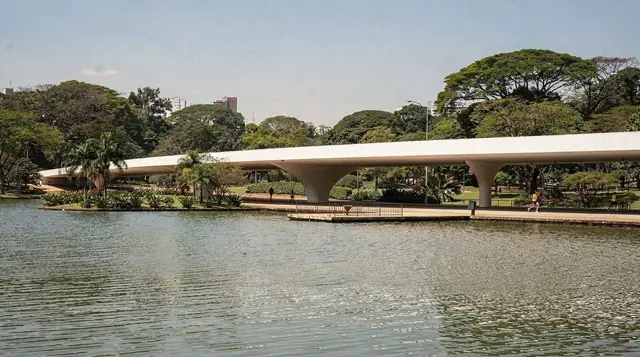
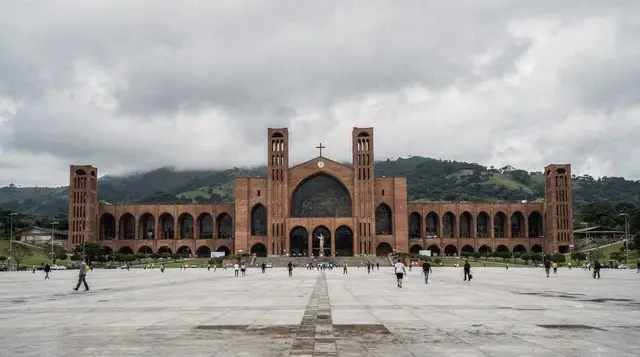
São Paulo for the second visit
A first São Paulo trip is, reasonably, built around the essentials — MASP, Paulista, Ibirapuera, maybe Beco do Batman. A second trip that repeats the same list is a wasted opportunity, because the city’s more interesting layer sits just past that first checklist: neighbourhoods most first-timers never reach, a periphery that tells a very different story about how the city actually functions, and experiences that only make sense once the basics are already covered.
| Where | East and north zones, Paraisópolis, and neighbourhoods beyond the standard circuit |
| Cost | Similar to a first visit; some experiences require a private guide for proper access |
| Time needed | Three to five days to genuinely explore beyond the first-timer route |
| Getting there | Metro covers some of this; a private guide or car is worth it for the periphery |
| Best time | Any, though weekday visits to less-touristed areas feel calmer |
Go east and north, where most visitors never go
São Paulo’s east and north zones hold most of the city’s population but almost none of its tourist traffic, which means they show a version of daily paulistano life that the Jardins-Paulista-Vila Madalena circuit simply doesn’t. This isn’t about “authenticity” as a marketing word — it’s genuinely a different city, with its own food scenes, markets, and neighbourhood rhythms. The São Paulo’s east zone guide and São Paulo’s north zone guide are the starting points, and honestly, most guidebooks skip both entirely, which is exactly why they’re worth a returning visitor’s time.
Paraisópolis, done with the right operator
Favela tourism is a genuinely fraught category, and we’re not going to pretend otherwise — done badly, it’s poverty tourism dressed up as cultural exchange. Done well, with an operator that channels revenue back into the community and is run by or in close partnership with residents, it’s a legitimate and valuable way to understand a huge part of how São Paulo actually houses its population. A Paraisópolis favela tour focused on its hidden artist is built around exactly this kind of community-connected approach rather than a drive-by gawking circuit. The favela tours in São Paulo, honestly guide and Paraisópolis explained guide lay out the ethical considerations in full before you book anything.
Hidden gems, once the obvious ones are checked off
A second trip is the right time to chase the hidden gems in São Paulo guide properly — the smaller museums, the neighbourhood restaurants without a queue, the parks that don’t make anyone’s top-ten list but are genuinely pleasant to spend an hour in. This is also the trip to go deeper into a single interest rather than sampling broadly: the contemporary art galleries in São Paulo guide if art is the draw, or a slower dive into one or two neighbourhoods via the which São Paulo neighbourhood should you stay in guide reframed as “which should I actually live in for a week.”
Custom, private access over group tours
By a second visit, a fixed group-tour itinerary usually makes less sense than something built around specific interests. A private custom tour with a local guide lets you specify exactly what you want — more east-zone time, more food, more art, whatever the first trip left you wanting — rather than following someone else’s fixed route again.
First trip vs second trip, compared
| First trip | Second trip | |
|---|---|---|
| Focus | Central sights: MASP, Paulista, Ibirapuera | East/north zones, Paraisópolis, hidden gems |
| Tour style | Fixed group tours for efficiency | Private, custom-built around specific interests |
| Neighbourhoods | Jardins, Vila Madalena, centro histórico | Periphery neighbourhoods, less-touristed areas |
| Day trips | Santos or Campos do Jordão as an introduction | Further or less obvious options, or a repeat done slower |
Going deeper on food, the second-trip way
A first-trip food itinerary usually hits the well-known highlights — a por-kilo lunch, a mortadella sandwich at the Mercadão, maybe one churrascaria. A second trip is the right time to go past that into more specific territory: a proper Japanese-Brazilian meal in Liberdade beyond the street-food stalls, a padaria breakfast taken slowly rather than grabbed on the way somewhere else, or seeking out one of the city’s more ambitious tasting-menu restaurants that rarely make a first-timer’s shortlist. The fine dining in São Paulo guide and padaria culture: breakfast like a paulistano guide are both better suited to a returning visitor with the time and interest to slow down on food rather than treat every meal as a box to check.
Revisiting old favourites with new context
There’s also a legitimate case for simply returning to a first-trip highlight with the added context a second visit brings — walking Paulista again after having seen the east zone gives the avenue’s wealth and scale a different weight than it had the first time, and MASP’s collection often rewards a second, unhurried look more than the rushed first pass most visitors give it under first-trip time pressure. A second trip doesn’t have to mean strictly new territory; sometimes it means seeing familiar places differently, once the city’s fuller picture is already in view.
Timing a second trip around something specific
A first São Paulo trip often happens whenever travel plans allow; a second trip is worth timing deliberately around something the city does exceptionally well at a specific moment — the Bienal de São Paulo, one of the world’s major contemporary art exhibitions, running in staggered editions; the Virada Cultural, a citywide, round-the-clock cultural festival in May; or simply the cooler, drier autumn months (April–June) that locals consistently rate as the most pleasant stretch of the calendar. The the São Paulo Bienal guide is worth checking against your travel dates if art is a priority for the return visit.
Bringing what you learned the first time
The most useful thing a second trip can build on isn’t a new sight — it’s accumulated practical knowledge from the first visit: which neighbourhoods actually suited your pace, which transport patterns worked, what time of day the city felt most comfortable to you personally. Use that knowledge to move faster and second-guess less on this trip, freeing up time and mental energy for the deeper, less obvious experiences described above rather than re-learning logistics you already figured out the first time around.
Frequently asked questions about a second trip to São Paulo
What should I prioritise differently on a second São Paulo trip?
The east and north zones, and any specific interest (art, food, neighbourhoods) you want to go deeper on rather than sample broadly.
Is visiting Paraisópolis ethical?
It can be, with the right operator — one that’s community-connected and channels revenue back locally rather than treating the visit as a spectacle.
Should I still visit MASP and Paulista on a second trip if I’ve already been?
Not necessarily required, though a repeat visit at a slower pace, without first-trip time pressure, can reveal things rushed past the first time.
Is a private guide worth it for a second visit?
Often yes, since it allows the itinerary to be built around specific interests rather than a standard group-tour route.
Are the east and north zones safe for visitors?
Generally yes with normal city precautions, though it’s worth going with some local knowledge or a guide given the lack of established tourist infrastructure there.
How many days does a proper second trip need?
Three to five days gives enough room to go beyond the standard circuit without feeling rushed.
Fitting this into your trip
A second trip pairs well with the five days in São Paulo and around itinerary, restructured around periphery neighbourhoods and a slower pace, or the a weekend in São Paulo guide if time is shorter but the goal is still to go beyond the first-timer list. Check which day trip from São Paulo to choose too — a second visit is a good excuse to pick the day trip you skipped the first time around.
Trip-planning advice for São Paulo on GetYourGuide
Verified deep-linked GetYourGuide tours. Book through these links and we earn a small commission at no cost to you.
These are our own photographs of São Paulo, not the operator's pictures of this tour — open the tour page to see those.