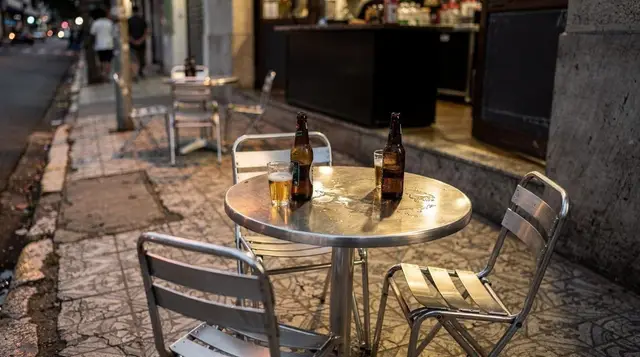
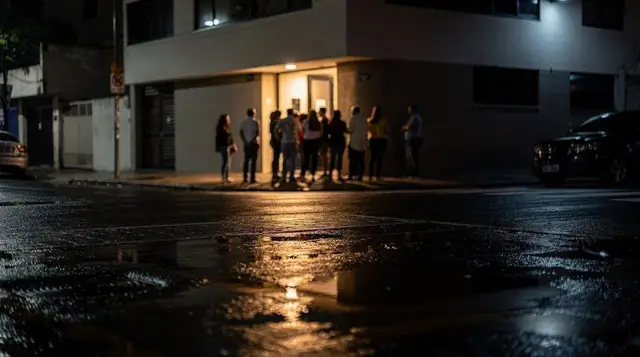
São Paulo rooftop bars
Where are the best rooftop bars in São Paulo?
Jardins and Itaim Bibi have the strongest concentration of rooftop bars, generally attached to hotels and upscale restaurants, with skyline views over the western city rather than the historic-centre towers. Expect to pay R$40-90 for a cocktail and, at the more exclusive venues, a minimum consumption charge or reservation requirement on weekends.
São Paulo’s rooftop bar scene has grown substantially over the past decade, mostly concentrated in the wealthier western neighbourhoods — Jardins, Itaim Bibi and Vila Olímpia — where hotel rooftops and upscale restaurant terraces take advantage of the area’s mid-rise skyline. These aren’t purpose-built observation decks; the view is secondary to the drinks, food and atmosphere, which changes what you should expect compared with a dedicated viewpoint like Sampa Sky. This guide covers what’s actually worth the trip, by neighbourhood, with honest notes on where the view genuinely earns its markup and where you’re mostly paying for the setting. If you’d rather have a guide handle the logistics and route between neighbourhoods, a private São Paulo city tour can be built around an evening stop at one of these venues.
| Best neighbourhoods | Jardins, Itaim Bibi, Vila Olímpia |
| Cost | R$40-90 (~US$8-18) per cocktail; some venues add a minimum consumption |
| Time needed | 1.5-3 hours for a proper evening |
| Getting there | Rideshare or taxi recommended at night over driving yourself |
| Best time | Early evening for the sunset transition, later for the full night-out atmosphere |
Why rooftop bars aren’t a substitute for a real viewpoint
It’s worth being upfront about this distinction before recommending specific venues: São Paulo’s rooftop bars generally sit on mid-rise buildings in low-density, low-rise-by-comparison neighbourhoods, not the tall towers of the historic centre or the Faria Lima corridor. That means the views, while genuinely pleasant, don’t deliver the dramatic, endless-skyline scale you get from a dedicated observation deck like Sampa Sky or Farol Santander. What rooftop bars trade for that height is atmosphere: good food, well-made cocktails, and a social setting that a ticketed viewing platform can’t offer. Think of rooftop bars as a strong evening-out option that happens to include a view, rather than a view-focused attraction that happens to serve drinks.
Jardins: the most reliable concentration
Jardins has the highest density of well-regarded rooftop venues, generally attached to boutique hotels and upscale restaurants along and around the neighbourhood’s tree-lined streets. The area’s genteel, low-key wealth shows in the crowd and pricing — expect a dressier atmosphere than Vila Madalena’s bars, with cocktails commonly running R$40-70 and food menus pitched at a similar level. Several venues here operate a reservation system on weekends, particularly for sunset-hour tables, so booking ahead is worth doing if you have a specific spot in mind. The Jardins destination guide covers the wider neighbourhood beyond its bar scene, including where to eat and shop nearby.
Itaim Bibi and Vila Olímpia: newer towers, newer bars
Itaim Bibi and neighbouring Vila Olímpia, both part of the Faria Lima financial corridor’s newer development, have a growing cluster of rooftop venues attached to newer hotel towers, generally with a slightly more corporate, after-work crowd than Jardins’ more residential, restaurant-driven scene. Views here tend to look out over the Faria Lima towers themselves and toward Pinheiros river, a genuinely different composition from the historic-centre or Paulista-facing views elsewhere in the city. a panoramic night tour with barbecue dinner is a reasonable way to combine a view with an actual meal if you’d rather not navigate the reservation systems at individual venues on your own. See the Itaim Bibi and Vila Olímpia destination guides for the wider neighbourhood picture.
| Jardins | Itaim Bibi / Vila Olímpia | Historic centre (Terraço Itália) | |
|---|---|---|---|
| Atmosphere | Genteel, restaurant-driven | Corporate, after-work crowd | Mixed, tourist and local |
| Typical crowd | Slightly older, dressier | Younger professional | Broad mix |
| Views over | Low-rise Jardins streets, distant towers | Faria Lima corridor, Pinheiros river | Historic centre, Avenida Paulista |
| Reservation needed | Often, for weekend sunset slots | Sometimes | Rarely |
Dress codes and reservations
Several of São Paulo’s better rooftop venues, particularly in Jardins, operate an informal but real dress code — smart casual at minimum, with some venues turning away visitors in flip-flops, shorts or beachwear, especially in the evening. This isn’t universal, but it’s common enough to plan around if you’re coming straight from a daytime activity; pack or change into something slightly dressier if a rooftop bar is on your evening agenda. Weekend evenings, especially around sunset, are the highest-demand slots at the most popular venues, and walk-in availability isn’t guaranteed — a phone or app reservation, even a same-day one, meaningfully improves your odds over just showing up.
Pricing and minimum consumption
Cocktails at São Paulo’s better rooftop bars typically run R$40-90 (~US$8-18), broadly comparable to a mid-range bar anywhere in a major world city, though some higher-end venues impose a minimum consumption charge per table on weekend evenings — effectively a cover charge disguised as a spending minimum. This isn’t universal or hidden, but it’s worth asking about when you reserve, particularly for venues with a strong reputation, since it can meaningfully change the cost of an evening compared with a casual drink-and-leave visit.
The historic-centre alternative: Terraço Itália
Downtown, Edifício Itália’s rooftop restaurant and bar, Terraço Itália, offers a different kind of rooftop experience — older, more formal, and centred on the historic-centre and Avenida Paulista skyline rather than the western neighbourhoods’ lower-rise streetscape. It’s less trendy than the Jardins or Itaim Bibi scene and draws a broader mix of tourists and locals rather than a specifically young professional crowd, but the view itself, from a genuinely tall mid-century building, is arguably more dramatic than most western-neighbourhood rooftops. It works well as a dinner-and-view combination if you’re spending the day in the historic centre and want to stay downtown for the evening rather than crossing the city to Jardins or Itaim Bibi. See the São Paulo viewpoints guide for how it compares to the city’s dedicated observation decks.
Rooftop pools and daytime options
A handful of hotel rooftops in Jardins and Itaim Bibi operate daytime pool access alongside their evening bar service, generally requiring a day-pass fee or a minimum food-and-drink spend for non-hotel guests. These are a different experience from an evening rooftop bar — more resort-like, less about the skyline view and more about a few relaxed daytime hours above street level — but worth knowing about if you want rooftop time that doesn’t revolve around cocktails and a dressed-up evening crowd. Availability and policies vary by hotel and change seasonally, so check directly with a specific venue if a rooftop pool day is what you’re after rather than an evening bar visit.
Combining rooftop bars with dinner
Many of São Paulo’s best rooftop venues are attached to serious restaurants rather than standalone bars, meaning a full dinner is often a better way to secure a good table and view than a drinks-only visit, particularly on busy weekend evenings when bar-only seating is limited or standing-room only. Jardins in particular has strong fine-dining options at or near rooftop level — see the São Paulo fine dining guide for specific recommendations that pair a meal with a view rather than treating them as separate stops.
Getting there and back safely
Rideshare or taxi is the sensible choice for rooftop bar evenings over driving yourself, particularly given São Paulo’s drink-driving laws, which are strictly enforced with a very low legal blood-alcohol limit. Traffic between neighbourhoods can be heavy in early evening (5-8pm) as the commute rush overlaps with people heading out for the evening, so build in extra time if you’re moving between venues or coming from further away. Late-night return trips are generally safe with a rideshare app, and it’s the standard, sensible choice across the city after dark rather than walking or waiting for a bus — see the going out safely in São Paulo guide for the fuller picture.
Seasonal considerations
São Paulo’s climate shapes the rooftop bar experience more than you might expect. Summer evenings (December-March) are warm and pleasant for outdoor rooftop seating well into the night, though sudden afternoon thunderstorms can occasionally disrupt an early-evening plan — check the forecast if you’re booking a sunset table during this season. Winter (July-August) brings cooler evening temperatures, sometimes genuinely chilly after dark, and several rooftop venues respond with outdoor heaters or partially enclosed sections; a light jacket is worth bringing even if the daytime temperature felt mild. Spring and autumn (April-June, September-November) generally offer the most comfortable rooftop-bar weather, with fewer weather-related surprises either way. See the best time to visit São Paulo guide for the fuller seasonal breakdown.
How São Paulo’s rooftop scene compares to Rio’s
Visitors arriving from Rio de Janeiro, or planning to go there next, often expect São Paulo’s rooftop bars to chase the same postcard formula — ocean, mountains, a single unmissable view everyone photographs from the same angle. That’s not what São Paulo offers, and it’s worth resetting expectations rather than being disappointed by the comparison. Rio’s rooftop scene sells a fixed, dramatic backdrop: Sugarloaf, Christ the Redeemer, the curve of a beach. São Paulo has no equivalent single postcard shot, so its rooftop bars compete instead on food quality, cocktail programme and the specific texture of a neighbourhood skyline — Faria Lima’s glass towers from Itaim Bibi, the low-rise tree canopy of Jardins, the mid-century density of the historic centre from Terraço Itália.
Prices are broadly comparable between the two cities at the upper end, though São Paulo’s scene skews slightly more toward serious food-and-drink programming and slightly less toward pure view-chasing than Rio’s most famous spots. If you’re doing both cities on the same trip, treat them as different categories of night out rather than ranking one against the other — the São Paulo vs Rio comparison guide covers the wider differences between the two cities beyond nightlife.
Wheelchair and mobility access
Access varies significantly by venue, and there’s no citywide standard to rely on. Hotel-attached rooftop bars in Jardins and Itaim Bibi — the newer towers in particular — generally have lifts running to the rooftop level, since building codes for taller modern construction require it, making these some of the more reliable options for visitors using a wheelchair or with limited mobility. Older buildings and smaller independent rooftop restaurants are far less consistent: some have a lift serving only the lower floors with stairs for the final rooftop level, which isn’t always obvious from a venue’s website or social media presence.
If accessibility is a firm requirement, call or message the specific venue ahead of a reservation rather than assuming; hotel rooftops are the safer default bet if you can’t confirm in advance. Terraço Itália, in the historic Edifício Itália, has lift access to its upper floors as a functioning restaurant and public attraction, making it one of the more dependably accessible options among the higher-profile venues covered in this guide.
Going alone
Rooftop bars are one of the more comfortable solo evening options in São Paulo, particularly the restaurant-attached venues in Jardins, where a single diner at the bar or a small table draws no particular attention — it’s a normal part of the crowd rather than something staff or other guests will remark on. The more club-adjacent, standing-room rooftop scenes in Itaim Bibi and Vila Olímpia lean more toward groups and couples on weekend nights, which can feel slightly less natural solo, though far from unwelcoming. If you’re travelling alone and want the rooftop experience without navigating a reservation or a crowd, an early-evening visit — arriving for the sunset transition before the later crowd builds — tends to be the easiest version of a solo rooftop outing, with a calmer atmosphere and more attentive service than peak Saturday-night hours. The solo travel in São Paulo guide covers the wider picture of navigating the city alone, including getting home safely afterward.
Frequently asked questions about São Paulo’s rooftop bars
Which neighbourhood has the best rooftop bars?
Jardins has the most reliable concentration of well-regarded venues, generally attached to boutique hotels and upscale restaurants.
Do I need to make a reservation?
For popular Jardins venues on weekend evenings, especially around sunset, yes — walk-in availability isn’t guaranteed. Itaim Bibi and Vila Olímpia venues are somewhat more flexible.
Is there a dress code?
Many venues expect smart casual attire, particularly in the evening, and some turn away guests in beachwear or flip-flops. Check the specific venue if you’re unsure.
How much does a rooftop bar evening cost?
Cocktails typically run R$40-90 each, with some venues adding a minimum consumption charge per table on weekend evenings — ask when you reserve.
Are rooftop bars better than a dedicated viewpoint for photos?
Generally no — most sit on mid-rise buildings without the dramatic scale of a dedicated observation deck like Sampa Sky. They’re better for atmosphere and a full evening out than for pure skyline photography.
Is it safe to go out at night in São Paulo for rooftop bars?
Yes, with standard precautions: use rideshare rather than walking or driving yourself, and avoid displaying valuables. This applies especially in unfamiliar neighbourhoods after dark.
Can I visit a rooftop bar during the day?
Some venues open earlier and offer a daytime view over lunch, though the atmosphere and crowd are noticeably different from the evening scene most rooftop bars are known for.
Are São Paulo’s rooftop bars wheelchair accessible?
It varies by venue. Newer hotel towers in Jardins and Itaim Bibi generally have lift access to rooftop level; older independent venues are less consistent, so confirm directly with the venue before booking if this matters to you.
A note on noise and neighbourhood etiquette
São Paulo has genuinely strict noise ordinances in residential areas, and several rooftop venues in Jardins in particular operate within earshot of apartment buildings, which means most enforce an earlier closing time or lower amplified-music volume than you might expect from a big-city rooftop scene. This isn’t a complaint about the venues — it generally makes for a more conversation-friendly evening than a loud club rooftop — but it’s worth knowing if you’re expecting a late-night, high-volume party atmosphere; for that, you’re better served by a dedicated nightclub than a rooftop bar. See the São Paulo clubbing guide if a proper late-night scene, rather than a relaxed rooftop evening, is what you’re after.
Fitting a rooftop evening into your trip
A rooftop bar evening slots naturally into any itinerary as a way to close out a day of sightseeing rather than a dedicated activity of its own. On a three-day itinerary, pair a Jardins rooftop with an afternoon in the neighbourhood’s shops and restaurants; on a weekend itinerary, it’s a good way to end a Saturday before a Sunday of parks or markets. See the São Paulo nightlife guide for how rooftop bars fit into the wider evening-out scene, and the São Paulo viewpoints guide if a dedicated skyline view matters more to you than the bar scene itself.
São Paulo nightlife on GetYourGuide
Verified deep-linked GetYourGuide tours. Book through these links and we earn a small commission at no cost to you.
These are our own photographs of São Paulo, not the operator's pictures of this tour — open the tour page to see those.