Vegetarian and vegan São Paulo
Is São Paulo easy for vegetarians and vegans?
Easier than most of Brazil, but not automatic — churrasco culture is meat-first by default. Vila Madalena and Pinheiros have dedicated vegetarian and vegan restaurants, and self-service by-weight buffets almost always include vegetable and grain options, but always confirm since 'vegetarian' dishes sometimes include fish stock or lard by local convention.
Brazil’s food culture is heavily built around meat — churrasco, feijoada with its multiple pork cuts, mortadella sandwiches — and São Paulo doesn’t escape that default. But it’s also Latin America’s most cosmopolitan food city, with a genuinely strong dedicated vegetarian and vegan restaurant scene, particularly in Vila Madalena and Pinheiros. This guide is about navigating both realities honestly, rather than pretending the meat culture doesn’t exist.
| Where | Vila Madalena and Pinheiros for dedicated restaurants; by-weight buffets everywhere |
| Cost | R$40–70 for a self-service vegetable-forward lunch; R$60–120 at dedicated vegan restaurants |
| Time needed | No extra planning for casual meals; research ahead for specific restaurants |
| Getting there | Concentrated but reachable by metro in Vila Madalena and Pinheiros |
| Best time | Lunch is the easiest meal — by-weight buffets are at their freshest and fullest midday |
The honest starting point
São Paulo’s default food culture assumes meat. Churrascarias (all-you-can-eat grilled meat restaurants) are a genuine culinary tradition, not a tourist gimmick, and feijoada — the national dish — is built on pork. If you’re vegetarian or vegan, this isn’t a city where every restaurant will have an obvious plant-based option on the menu the way it might in a city with a stronger baseline vegetarian culture. That said, São Paulo’s sheer size and diversity mean dedicated options exist in real numbers — you just need to know where to look rather than expect to stumble into them everywhere.
By-weight buffets: the easiest everyday option
Self-service “por quilo” restaurants, common at lunch across the whole city, are the most reliable option for vegetarians without extra planning — a buffet by definition includes a range of dishes, and vegetable, grain and legume options are almost always part of the spread. You pay by weight, so you control exactly what goes on your plate without needing to explain dietary restrictions to anyone. Budget R$50–80 per kilo, meaning a modest vegetable-forward plate runs R$40–70. The catch: some cooked vegetable dishes at traditional buffets are prepared with meat stock, bacon bits or lard as a flavour base by default local convention, so it’s worth asking “tem carne?” (does it have meat?) if you’re strict about it rather than assuming a vegetable-looking dish is automatically vegetarian.
Dedicated vegetarian and vegan restaurants
Vila Madalena and Pinheiros have the city’s strongest concentration of dedicated vegetarian and vegan restaurants — a natural fit given both neighbourhoods’ younger, more international demographic. Expect everything from casual plant-based versions of Brazilian street food (vegan coxinha, vegan pastel) to more ambitious full vegan tasting-style menus. Jardins has a smaller but growing number aimed at a higher-spending crowd. The guide to Vila Madalena and guide to Pinheiros cover these neighbourhoods more broadly.
Brazilian fruit and produce: an underrated strength
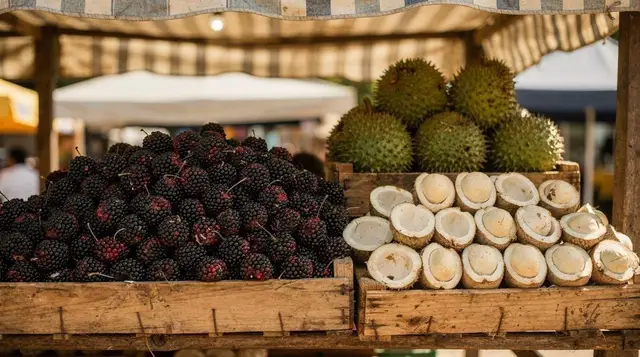
Whatever the meat culture looks like, Brazil’s fruit and produce quality is genuinely excellent, and it’s one of the easiest wins for vegetarian and vegan travellers here. Feiras livres (weekly street markets) sell fresh tropical fruit — jabuticaba, cupuaçu, graviola, mango, papaya — cheaply and everywhere, and juice bars built entirely around fresh fruit are common city-wide. The Brazilian fruit you should try guide covers what to look for, and the São Paulo’s street markets guide has the practical logistics for finding a feira livre near you.
An ingredient glossary worth memorising
A handful of Portuguese food terms make menu navigation far easier than trying to translate every dish name individually. “Sem carne” means without meat; “sem frango” specifically excludes chicken (some Brazilians consider chicken a separate category from “carne,” which technically refers to red meat, so being specific matters). “Caldo de carne” is meat stock or bouillon, a common hidden non-vegetarian ingredient in otherwise vegetable-looking dishes. “Banha” or “toucinho” refers to lard or bacon fat, traditionally used in bread and pastry dough at older, more traditional bakeries. “Leite,” “queijo” and “manteiga” are milk, cheese and butter respectively, the main things to flag for a vegan rather than just vegetarian diet. Knowing these five or six terms covers the majority of situations where a menu or a verbal explanation from staff would otherwise be ambiguous.
Grocery shopping and cooking for yourself
If your accommodation has any kitchen access, self-catering some meals is a straightforward way to guarantee a fully plant-based diet without relying on restaurant interpretation of dietary terms. Supermarkets across São Paulo, including large chains like Pão de Açúcar and Extra, carry a genuinely good range of plant-based products now, including dedicated vegan sections with meat and dairy substitutes, tofu and a wide array of grains and legumes. Feiras livres remain the best source for fresh produce specifically, often cheaper and better quality than supermarket produce sections. Health food shops (lojas de produtos naturais), common in Vila Madalena, Pinheiros and Jardins, stock more specialised items — nutritional yeast, specific plant milks, imported vegan staples — if you’re looking for something a general supermarket won’t carry.
What to watch for specifically
Feijoada, the national dish, is built on pork and isn’t something to expect a vegetarian version of at most traditional restaurants. Churrascarias are, by design, not a useful venue for vegetarians beyond the salad bar most include — skip them unless you’re travelling with a meat-eating group and plan to eat mostly from the buffet side. Bread and pastries at padarias are usually vegetarian-safe (check for lard in traditional recipes at older, more traditional bakeries), but coxinha, pastel and kibe are meat-filled by default — cheese and hearts-of-palm versions exist and are common enough to ask for specifically. The São Paulo street food guide covers these in more detail.
| Easiest for vegetarians | Requires more care | Not really an option | |
|---|---|---|---|
| By-weight buffets | Yes, self-select | Ask about stock/lard | — |
| Dedicated vegetarian/vegan spots | Yes | — | — |
| Padarias | Bread, cheese pastries | Ask about lard | Meat-filled salgados by default |
| Churrascarias | Salad bar only | — | The core menu |
| Feijoada restaurants | — | — | Traditionally pork-based |
Immigrant food cultures that help, not hurt
Some of São Paulo’s immigrant food traditions actually make vegetarian eating easier rather than harder. Lebanese food, a major presence in the city thanks to a large Lebanese-Brazilian community, includes a strong vegetarian tradition — hummus, tabbouleh, falafel and stuffed grape leaves are widely available at Lebanese restaurants and delis, particularly around Centro and Jardins, and none require special requests to be meat-free. Indian and other South Asian restaurants, a smaller but present part of the scene, similarly bring in dishes built around lentils and vegetables as a default rather than an adaptation. If a purely Brazilian menu feels limiting on a given night, these cuisines are a reliable fallback that doesn’t feel like a compromise.
Wine, cocktails and pairing
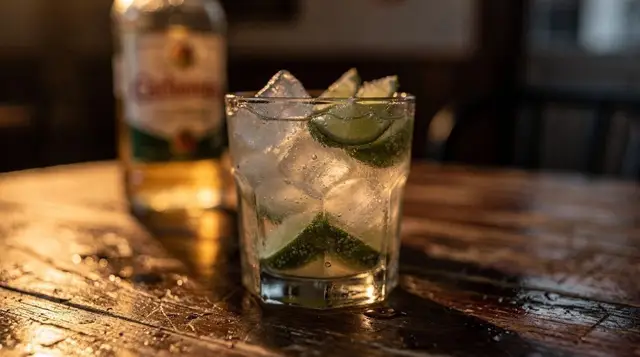
Most Brazilian wine and cocktails are plant-based by default with no adjustment needed. A wine tasting with an expert is a reliable activity regardless of dietary restrictions, and increasingly features Brazilian producers rather than only imports. If you’d rather build cooking skills directly, cooking classes in São Paulo often accommodate vegetarian requests if you contact the operator ahead of the session.
A brief history of vegetarianism in Brazil
Brazil’s vegetarian and vegan movement has roots that predate the current wave of plant-based restaurants by decades. Hare Krishna communities, established in Brazil from the 1970s onward, ran some of the country’s earliest dedicated vegetarian restaurants and health food shops, introducing many Brazilians to plant-based eating as a deliberate lifestyle choice rather than a byproduct of poverty or scarcity.
A broader health-food movement through the 1980s and 90s, tied to a growing interest in natural and organic living among São Paulo’s urban middle class, built on that foundation, and the city’s large Japanese-Brazilian community brought its own vegetable-forward culinary traditions into the mix well before “plant-based” became a marketing term. The more recent, visible vegan boom — dedicated vegan restaurants, plant-based versions of Brazilian street food, meat-substitute products on supermarket shelves — dates mostly from the 2010s onward, driven by a younger, increasingly environmentally conscious generation, but it’s building on a genuine half-century of prior vegetarian infrastructure rather than emerging from nothing.
How São Paulo compares to other Brazilian cities
For anyone visiting multiple Brazilian cities on the same trip, it’s worth knowing São Paulo sits at the easier end of the spectrum for vegetarians and vegans, not the harder end. Rio de Janeiro has a smaller but growing dedicated vegetarian scene, concentrated in areas like Santa Teresa and parts of Zona Sul, generally less extensive than São Paulo’s given the smaller and less internationally diverse population. Salvador and the wider north-east lean more heavily on Bahian cuisine’s use of dendê (palm) oil and dried shrimp as flavour bases in dishes that look vegetable-forward but frequently aren’t, making vegetarian navigation genuinely trickier there than in São Paulo.
Belo Horizonte’s food culture is arguably the most meat-centric of Brazil’s major cities, built heavily around its own pork-forward mineiro cuisine. São Paulo’s advantage comes down to scale and diversity: more restaurants overall means more dedicated options, and a larger international and domestic migrant population brings food traditions — Lebanese, Japanese, Italian — that don’t default to meat the way traditional Brazilian regional cooking often does.
A sample day of vegetarian eating in São Paulo
It helps to see how a full day actually plays out rather than just a list of options. Breakfast at a padaria: pão de queijo (naturally vegetarian, cheese bread made from cassava flour) and a fresh fruit juice, easily plant-based if you skip a milk-based version, no special requests needed. Lunch at a por-quilo buffet: load a plate with rice, beans, grilled vegetables and a salad, budgeting R$40-60, and ask “tem carne?” about any dish that looks ambiguous, particularly cooked greens that might carry a meat-stock base.
Afternoon: a fresh coconut water or a graviola juice from a street vendor or juice bar, R$6-15, no dietary questions needed. Dinner in Vila Madalena or Pinheiros: a dedicated vegetarian or vegan restaurant, R$60-120 for a full meal with a genuinely creative menu rather than a token salad option. Total for the day: roughly R$150-250 for food across four stops, comparable to or cheaper than the same day built around meat-centric dining, and requiring only a handful of Portuguese phrases to navigate confidently.
Vegan-specific grocery brands worth knowing
If you’re self-catering any part of your stay, a handful of Brazilian plant-based brands are worth knowing by name, since they show up reliably at both large supermarkets and health food shops: Fazenda Futuro produces Brazilian-made plant-based meat substitutes now stocked at most major chains; Superbom makes a wide range of soy and plant-based dairy alternatives that predate the recent vegan boom by decades; and a handful of smaller specialist brands cover snacks and pantry staples. Recognising these names on a shelf label saves time compared to reading every ingredient list from scratch, particularly useful if you’re shopping at a large supermarket like Pão de Açúcar with limited English labelling and want to move quickly toward genuinely reliable plant-based options rather than guessing from packaging alone.
Allergies versus dietary preference: a distinction worth making clear
Beyond vegetarian and vegan requests specifically, it’s worth knowing that Brazilian restaurant staff generally respond better to a clearly stated allergy than a general dietary preference, particularly at less internationally oriented restaurants. If a genuine allergy is involved — not just avoiding an ingredient by choice — say “alergia” specifically rather than just “não como” (I don’t eat), since the word carries more weight and typically prompts more careful kitchen handling. This distinction matters most for anyone with a nut, shellfish or other genuine allergy risk rather than a vegetarian or vegan preference, where cross-contamination concerns are usually lower-stakes, but it’s a useful phrase to have ready regardless of which category your dietary needs fall into.
Frequently asked questions about vegetarian and vegan São Paulo
Is it hard to be vegetarian in São Paulo?
Not hard, but it requires more intention than in cities with a stronger baseline vegetarian culture. By-weight buffets and dedicated restaurants in Vila Madalena and Pinheiros make it manageable.
Where’s the easiest neighbourhood for vegan food?
Vila Madalena, followed closely by Pinheiros — both have the highest concentration of dedicated plant-based restaurants in the city.
Do Brazilian restaurants understand “vegan” as a concept?
Increasingly yes, especially at newer restaurants and in younger neighbourhoods, but always confirm specifics (no honey, no dairy in sauces) rather than assuming full understanding at traditional, older establishments.
Are feijoada and churrasco ever vegetarian?
Not traditionally — both are built around meat as the central element. A handful of modern restaurants have created plant-based versions, but they’re the exception, not the norm.
Is street food vegetarian-friendly?
Partially — cheese and hearts-of-palm pastel, tapioca crepes and grilled corn are common vegetarian options, but most classic salgados are meat-based by default.
Can I get vegan options at fine dining restaurants?
Some of the city’s top kitchens offer a vegetarian or vegan tasting menu alternative if you contact them ahead of your reservation — it’s worth asking when booking rather than assuming it’s automatic.
What Portuguese phrases help most?
“Sou vegetariano/vegetariana” (I’m vegetarian) or “sou vegano/vegana” (I’m vegan), and “tem carne ou caldo de carne?” (does it have meat or meat stock?) cover most situations.
Is Japanese food in Liberdade a good option for vegetarians?
Partially — vegetable and cheese temaki exist, but much of the menu is fish and meat-based by default. Confirm specifically rather than assuming a Japanese menu is automatically vegetarian-friendly.
Can I self-cater if my dietary needs are strict?
Yes, and it’s a reliable option if your accommodation has kitchen access — supermarkets and health food shops across the city carry a solid range of plant-based staples, and feiras livres provide fresh produce at good prices.
Is honey commonly used in Brazilian cooking, something vegans should watch for?
It appears in some desserts and drinks (caipirinha variations sometimes use honey instead of sugar), so it’s worth asking specifically if strict veganism matters to you, since it’s not always an obvious ingredient on a menu.
Fitting this into your trip
Vegetarian and vegan-friendly meals fit into any itinerary without special planning if you lean on Vila Madalena and Pinheiros — both feature heavily in the three-day and five-day São Paulo itineraries. The food lover’s São Paulo itinerary can be adapted around plant-based options with a bit of substitution.
São Paulo food & drink tours on GetYourGuide
Verified deep-linked GetYourGuide tours. Book through these links and we earn a small commission at no cost to you.
These are our own photographs of São Paulo, not the operator's pictures of this tour — open the tour page to see those.