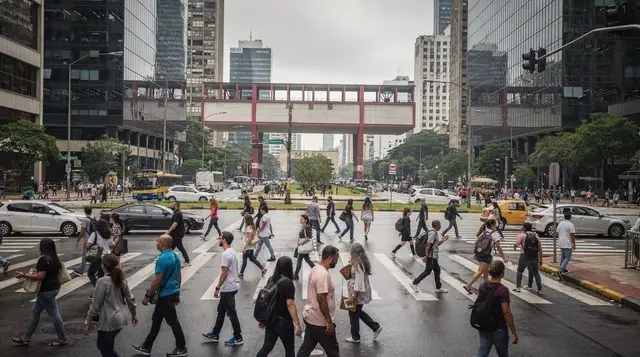
Free things to do in São Paulo
What are the best free things to do in São Paulo?
Walk Ibirapuera Park, see Beco do Batman's street art in Vila Madalena, visit MASP for free on Tuesdays, walk Avenida Paulista on a car-free Sunday, and explore Centro Histórico's architecture on foot. Several of the city's best experiences cost nothing — the paid attractions add depth, but a genuinely full day is possible on a near-zero budget.
São Paulo has a reputation as an expensive, business-oriented city, and for hotels and fine dining that’s fair. But a surprising amount of what makes the city worth visiting costs nothing at all: its parks, its street art, its architecture, and — one day a week — even its best museum. This guide is a genuine list of free things to do, not a padded one, with honest notes on which free experiences are genuinely worth your time and which are only worth a quick look on your way to somewhere else.
That distinction matters more here than in a city where every free attraction is automatically worth doing. A few things marketed as free in São Paulo come with catches — tip-pressured walking tours, “free” museum days that turn out to be one small wing rather than the full collection — and this guide flags those alongside the genuinely good options, rather than listing everything indiscriminately.
| Where | Spread across the city — Ibirapuera, Vila Madalena, Paulista, Centro Histórico |
| Cost | Free, aside from metro fares (R$5.20 / ~US$1 per ride) |
| Time needed | A full day if you combine several stops |
| Getting there | Metro Lines 1, 2, 3 and 4 reach all of the below |
| Best time | Weekday mornings for museums, Sunday for car-free Paulista |
Ibirapuera Park
São Paulo’s largest and most central park is free to enter and genuinely worth a half-day on its own — lakes, running paths, Niemeyer-designed pavilions, and, on weekends, thousands of paulistanos running, cycling and picnicking. It’s the single best free activity in the city and works well at any time of year outside the worst of the December-March storms. The Ibirapuera Park guide maps the best entrances and what’s inside, including a couple of paid museums within the park boundaries if you want to add one.
An Ibirapuera Park bike tour is a paid option worth considering only if you’re short on time and want to see the whole park in a couple of hours rather than exploring it on foot.
Beco do Batman and Vila Madalena’s street art
Walking Beco do Batman and the surrounding blocks of Vila Madalena and Pinheiros costs nothing beyond getting there, and the murals genuinely rival paid gallery visits in other cities for sheer density and quality. Go on a weekday morning if you want fewer people in your photos; weekend afternoons are the busiest and liveliest, with local artists sometimes painting live. The Beco do Batman guide and São Paulo street art guide cover the wider scene beyond the one famous alley.
A guided street art tour costs money but adds real context — which murals are by internationally known artists, which are decades-old versus new — that a free solo walk won’t give you.
MASP, on Tuesdays
MASP, the city’s best art museum, charges R$50-70 (~US$9-13) most days but is free every Tuesday. If your dates allow any flexibility, this is worth planning around: the collection includes genuine Bosch, Rembrandt and Portinari works, and the free day draws bigger crowds but rarely feels unmanageable outside peak holiday weeks. The MASP guide has opening hours and the best time within Tuesday to go.
Avenida Paulista on a car-free Sunday
Several blocks of Avenida Paulista close to traffic on Sundays and fill with cyclists, skaters, street performers, and a flea market around Praça do Ciclista — all free to walk through, with food trucks if you want to spend a little. It’s one of the best ways to see paulistano life outside a work context, and it pairs naturally with a Tuesday MASP visit if your trip spans both days. The Avenida Paulista guide and the destination page cover exactly which blocks close and when.
Centro Histórico’s architecture, on foot
Walking Centro Histórico costs nothing if you skip the Farol Santander observation deck and museum entries — and the architecture alone, from the Pateo do Collegio to the Theatro Municipal’s plaza to the sinuous curve of Edifício Copan, is worth the walk regardless. Go on a weekday morning, since the district empties out by evening and on Sundays. The Centro Histórico destination guide lays out the full free walking route.
Parque Villa-Lobos and the Botanical Garden
Beyond Ibirapuera, São Paulo has other free green spaces worth knowing about. Parque Villa-Lobos, on the west side near the Pinheiros river, is larger and quieter, popular with cyclists and less visited by tourists. The São Paulo Botanical Garden, in the south of the city against a remnant of Atlantic Forest, offers trails through native forest a short walk from the entrance — a genuinely different kind of outing from a manicured city park. Both are covered in the best parks in São Paulo guide.
Street markets, for browsing more than buying
São Paulo’s feiras livres (open-air street markets) rotate through neighbourhoods on different days of the week and cost nothing to walk through, even if you don’t buy anything — fresh produce stalls, flower vendors, and the general noise and colour of a working market are worth the visit on their own. The Saturday antiques market at Praça Benedito Calixto in Pinheiros is a standout, with a small live samba and choro corner most afternoons. The São Paulo’s street markets guide has the schedule by neighbourhood.
Liberdade’s streets, even without the market
Liberdade, the largest Japanese diaspora neighbourhood outside Japan, is worth a free walk any day of the week — the torii-style gates on the main street, the small shrines tucked between shopfronts, and the general density of Japanese and pan-Asian signage make it feel distinct from anywhere else in the city, even before you spend a real on food. The weekend street market adds vendors and food stalls if you want to spend a little, but the neighbourhood itself costs nothing to explore. The Liberdade destination guide has the walking route.
Free viewpoints, sort of
São Paulo’s best-known viewpoints — Farol Santander and Sampa Sky — both charge entry, but there are ways to get a sense of the skyline for free. The plaza in front of the Theatro Municipal and the elevated walkway through Vale do Anhangabaú both give reasonable views over the historic centre’s rooftops, and several rooftop bars around Jardins and Itaim Bibi don’t charge a cover if you’re willing to buy one drink, which functions as a much cheaper alternative to a dedicated observation deck. The best viewpoints in São Paulo guide and São Paulo rooftop bars guide cover both options in more depth.
Football, without a match ticket
You don’t need a match ticket to get a sense of São Paulo’s football culture. Walking around Morumbi or Allianz Parque on a non-match day, seeing the stadiums up close, and browsing the informal vendor stalls selling club merchandise near metro stations costs nothing. It’s a thinner experience than attending a live match, but a reasonable free alternative if the budget or the schedule doesn’t allow for a ticket. The football in São Paulo guide covers both the free version and how to buy tickets properly if you decide it’s worth the spend.
Comparing your free options by interest
| Best for architecture | Best for nature | Best for culture | |
|---|---|---|---|
| Pick | Centro Histórico walk | Ibirapuera or Parque Villa-Lobos | Beco do Batman street art |
| Time needed | 2-3 hours | 2-4 hours | 1-2 hours |
| Best day | Weekday morning | Any day, avoid storm season afternoons | Weekend afternoon |
| Pairs well with | Mercado Municipal (paid) | A picnic or a run | A guided tour for context |
Free (or nearly free) museum days beyond MASP
MASP’s free Tuesday gets the attention, but a few other museums have their own reduced or free-entry windows worth checking before you go — the Pinacoteca do Estado, for instance, offers free entry on the first Sunday of the month, and several smaller municipal galleries and cultural centres are free year-round, including some exhibition spaces inside Centro Cultural São Paulo. None of these are as consistently reliable as MASP’s Tuesday policy, and hours shift, so it’s worth checking the specific museum’s current schedule before building a day around it. The best museums in São Paulo guide and Pinacoteca guide have the current details.
Free events, if your dates line up
Beyond the standing list above, a few recurring events are worth checking against your travel dates, since they’re free and genuinely worth attending if the timing works. The Virada Cultural, a 24-hour free cultural festival held in May, turns much of the city into open-air stages and exhibitions. Carnaval street blocos (informal parades) happen across several neighbourhoods in February or March and cost nothing to watch, unlike the ticketed sambadrome-style events in Rio. And New Year’s Eve on Avenida Paulista draws large free public celebrations, though it gets extremely crowded. None of these are things to plan a whole trip around, but worth knowing if your dates happen to overlap — check the best time to visit São Paulo guide for exact dates each year, since several of these events shift slightly from year to year.
What’s technically free but not worth it
A few “free” activities get recommended that aren’t worth your time. Walking the ground floor of Mercado Municipal without buying anything is fine but skips the market’s actual appeal — the food. Standing outside stadiums on match day hoping to soak up atmosphere without a ticket is underwhelming compared to an affordable seat. And several “free walking tours” advertised around Paulista are tip-based with aggressive expectations at the end that make them less of a bargain than they first appear — read reviews carefully before joining one, or consider a modestly priced private option instead, like a private welcome walk with a local guide, which at least sets clear expectations upfront. Helicopter “free viewing” promotions tied to timeshare-style sales pitches also occasionally circulate near tourist areas — treat any offer that requires sitting through a presentation as a paid activity in disguise, not a genuinely free one.
SESC cultural centres: free culture beyond the obvious list
SESC (Serviço Social do Comércio) runs a network of cultural and sports centres across São Paulo that are genuinely underrated by visitors, since the name gives little away and it doesn’t market itself as a tourist attraction. Several SESC units — SESC Pompeia, an architecturally significant converted factory complex, and SESC Paulista, occupying a former social club a few blocks off the main avenue, are the two most central — offer free or near-free exhibitions, film screenings, live performances and public spaces to simply sit and read, funded through a Brazilian commercial-sector welfare scheme rather than ticket revenue.
It’s a genuinely different flavour of cultural experience from a conventional museum, closer to a well-funded community centre with serious architectural and programming ambition, and it’s one of the more reliable ways to see how paulistanos engage with culture day-to-day rather than only through headline institutions like MASP. Opening hours and program schedules shift regularly, so check the specific unit’s calendar shortly before visiting rather than assuming a fixed routine.
Accessibility of São Paulo’s free attractions
Not all of the free experiences on this list are equally easy to navigate with mobility limitations, and it’s worth knowing which before building a day around them. Ibirapuera Park’s main paths are flat, paved and among the most wheelchair- and stroller-accessible spaces in the city, making it the most reliably accessible option on this whole list. Avenida Paulista’s car-free Sunday is similarly flat and manageable, with kerb cuts along most of the closed stretch.
Centro Histórico is the most challenging of the group — narrow, sometimes uneven historic-district pavements, and a few of the district’s best viewpoints (Farol Santander among them) involve stairs alongside any lift access — so budget more time and expect to plan a more selective route rather than the full walking loop if mobility is a concern. Beco do Batman and the surrounding Vila Madalena streets sit on a gentle but real slope with some uneven sections, worth knowing in advance rather than discovering partway through the alley. See the accessible São Paulo guide for the fuller picture across the whole city, not just its free attractions.
Free things to do when it rains
São Paulo’s summer storms don’t cancel a free day out — they just change what’s free. SESC Pompeia and SESC Paulista, already covered above, are indoor and free or near-free regardless of weather, and both are genuinely good options when a downpour rules out Ibirapuera or Beco do Batman. The ground floor and public spaces of Centro Cultural São Paulo, a large arts complex near Vergueiro metro station, are free to walk through and mostly covered, with rotating exhibitions that cost nothing to see.
Shopping malls are the least culturally interesting fallback but the most reliable — walking through a mall costs nothing if you’re not buying anything, and most sit close enough to a metro station to reach without getting soaked. MASP’s Tuesday free day still works in the rain, arguably better, since the covered plaza underneath the raised museum building gives genuine shelter while you queue. The what to do in São Paulo when it rains guide covers the full paid-and-free picture for a washed-out day.
Mistakes people make chasing free things
A few patterns trip up visitors trying to keep a day at zero cost. Showing up to MASP on a Tuesday without checking the current hours is the most common one — the free day runs the full day, but exhibition rotations occasionally close specific galleries, so it’s worth confirming nothing major is between changeovers before building a whole day around it. Treating Beco do Batman as a five-minute photo stop rather than the surrounding several blocks of Vila Madalena street art undersells the neighbourhood badly — budget at least an hour to walk further than the one famous alley.
And assuming “free” walking tours are actually free, rather than tip-based with real social pressure to pay at the end, leads to an awkward final ten minutes more often than visitors expect — see the section above before joining one. Solo travellers doing a free day generally have an easier time than groups, since there’s no coordination overhead deciding which free stop to prioritize when time runs short, but the same street-smart basics apply: keep valuables minimal in Centro Histórico specifically, where crowds and distraction make opportunistic theft more likely than elsewhere on this list.
Frequently asked questions about free things to do in São Paulo
Can I spend a full day in São Paulo without spending money?
Yes, aside from metro fares and food. Ibirapuera Park in the morning, a walk through Vila Madalena’s street art in the afternoon, and a Sunday on car-free Paulista cover a genuinely full day. See the a day in São Paulo without spending anything for a real account of doing exactly this.
Is MASP really free on Tuesdays?
Yes, every Tuesday, all day. It’s the single best-known free cultural experience in the city and worth planning a visit day around if your schedule allows it.
Are the free walking tours around Paulista worth doing?
Some are, but read reviews first — a number rely on aggressive tipping expectations at the end that undercut the “free” framing. A modest paid private tour is often better value and clearer upfront about cost.
What’s the single best free thing to do in São Paulo?
Ibirapuera Park, without much competition — it’s large, safe, beautiful, and gives a genuine sense of how paulistanos spend their free time, which few paid attractions manage.
Is it safe to do these free activities alone?
Yes, by day, on the routes described above. Keep your phone in a pocket rather than visibly out in crowded areas like Centro Histórico, and switch to a rideshare after dark. The is São Paulo safe guide has the full picture.
Do I need to pay for transport to reach these places?
A single metro fare is R$5.20 (~US$1), and most of the free attractions above are on or near a metro line, so transport costs stay minimal even across a full day of sightseeing.
Are there free things to do with kids?
Yes — Ibirapuera Park’s playgrounds and open lawns work well for children, and Parque Villa-Lobos has a similarly relaxed, free-to-enter setup. The São Paulo with kids guide covers more options, including a few low-cost paid add-ons.
How does a free day in São Paulo compare to a paid one?
A well-planned free day covers real highlights — Ibirapuera, street art, architecture — but a paid day adds depth that’s hard to replicate for nothing, particularly guided context on street art and skip-the-line museum access on busy days. Most visitors get the best result by mixing both rather than choosing one approach for the whole trip.
What time of year is best for free outdoor activities specifically?
April to June, São Paulo’s autumn, is the most reliable window — dry, mild, and far less likely to interrupt a park visit or a walking tour with a sudden afternoon storm than the December-March wet season. See the best time to visit São Paulo guide for the full seasonal breakdown.
Building a low-budget trip around this
A budget-focused four-day trip can lean heavily on the free options above and still feel full — the São Paulo on a budget itinerary is built specifically around that approach. For a broader three-day plan that mixes free and paid stops more evenly, see the three days in São Paulo itinerary, and for five days with room for a low-cost day trip, the five days in São Paulo and around itinerary covers the pacing.
São Paulo city highlights on GetYourGuide
Verified deep-linked GetYourGuide tours. Book through these links and we earn a small commission at no cost to you.
These are our own photographs of São Paulo, not the operator's pictures of this tour — open the tour page to see those.