Planning a trip to São Paulo
How do I plan a trip to São Paulo from scratch?
Start with how many days you actually have — three is the realistic minimum to see the city properly, five to seven lets you add a coastal or mountain trip. Pick a base neighbourhood near the metro (Jardins, Vila Madalena or Paulista all work well), book your airport transfer in advance, and structure days around zones rather than a scattered checklist, since São Paulo's traffic punishes cross-town hopping.
São Paulo doesn’t hand itself to a first-time visitor the way Rio or Salvador do — there’s no single postcard view or beachfront to orient a trip around, which is exactly why so many visitors arrive underprepared and leave underwhelmed. The city rewards planning more than most Brazilian destinations: knowing which neighbourhood to base yourself in, how the traffic actually works, and which of the city’s dozens of possible activities are actually worth your limited time. This guide walks through that planning process in order, from deciding how long to stay through to what to book before you land.
| Where | South America’s largest city, roughly 40km from Guarulhos (GRU) airport, in Brazil’s southeast |
| Cost | Mid-range trip runs roughly R$350–600/day per person including hotel, food and activities |
| Time needed | 3 days minimum for the city; 5–7 days to add coast or mountains |
| Getting there | Most international flights land at GRU; domestic and some regional flights use Congonhas (CGH) |
| Best time | April–June (autumn) for the most reliable weather; avoid late-December to March storms if possible |
Step one: decide how many days you actually need
This shapes everything else, so it’s worth settling first. Three days covers São Paulo’s essentials properly — Paulista Avenue and MASP, the historic centre, one or two neighbourhoods like Vila Madalena or Pinheiros, and a proper meal or two. Five days lets you go deeper into neighbourhoods and add a single day trip, typically Santos or Campos do Jordão. A full week supports either a genuinely unhurried city stay or a multi-night coastal extension to Ilhabela or Paraty. The dedicated how many days do you need in São Paulo guide breaks this down in more detail with day-by-day suggestions for each length.
Step two: pick a base neighbourhood
Where you stay determines how much of your trip gets eaten by traffic. Jardins and Avenida Paulista both sit centrally with strong metro access and put you within walking distance of MASP, shopping and a serious concentration of good restaurants. Vila Madalena and Pinheiros suit visitors prioritising nightlife, street art and a more residential, walkable feel, at a slight cost in distance from the historic centre. Avoid splitting a short stay across multiple neighbourhoods — the packing and moving time isn’t worth it for a 3–5 day trip. The full comparison, including which areas to skip, is in where to stay in São Paulo and São Paulo neighbourhoods explained.
Step three: sort out arrival before you land
Decide which airport you’re using — most international flights land at Guarulhos (GRU), roughly 40km from the centre, while Congonhas (CGH) sits inside the city and handles mostly domestic routes. Book a transfer ahead of time rather than arriving and figuring it out cold: a private transfer from Guarulhos airport or a private transfer from Congonhas both remove the stress of navigating an unfamiliar taxi rank after a long flight, at a fixed price agreed in advance. Full detail on both airports, plus Viracopos (VCP) for low-cost carriers, is in the GRU airport guide, Congonhas airport guide and airport transfers compared.
Step four: get connected before you clear immigration
Mobile data matters more in São Paulo than in most cities you’ll visit — you’ll need it for maps, rideshare apps, restaurant reservations and checking live traffic constantly. An eSIM data plan for Brazil activates before you land, which avoids the awkward first hour of a trip spent hunting for a local SIM counter at an unfamiliar airport. See eSIM and internet in Brazil for a fuller comparison against buying a local chip on arrival.
Step five: sort out money before you need it
Brazil runs heavily on card and Pix payments, but it’s worth understanding the landscape before you land rather than during your first transaction. Notify your bank of travel dates, bring at least one card with no foreign transaction fees, and carry a modest amount of cash for smaller vendors and emergencies. Full detail on cards, ATMs, and avoiding bad exchange rates is in money in Brazil: cards, Pix and cash, and the entry requirements themselves are covered in Brazil entry requirements.
Step six: structure days around zones, not a scattered checklist
São Paulo’s traffic (see São Paulo traffic: how to plan around it) punishes itineraries that bounce between distant neighbourhoods within a single day. Group activities by zone — a Paulista/Jardins day, a historic centre day, a Vila Madalena/Pinheiros day — and use the metro rather than road transport for anything crossing zones. This single habit does more to protect your trip’s pace than any other planning decision, and it’s the difference between a relaxed three days and an exhausting one.
Step seven: decide whether to add a guided introduction
For a first visit, spending your first morning or afternoon with a guide rather than navigating cold pays off — you get oriented faster and pick up context that self-guided wandering misses entirely. A private walking tour with a local is a genuinely useful way to start a trip here, particularly for visitors unfamiliar with Brazil generally. See is a guided tour of São Paulo worth it for a fuller honest take on when this is worth the cost and when it isn’t.
What surprises first-time visitors most
A few things consistently catch newcomers off guard. The sheer scale is the first — São Paulo’s metropolitan region holds over 21 million people, and even seasoned city travellers underestimate how long it takes to cross, or how much a destination that looks close on a map can actually cost in travel time. The lack of a single “must-see” landmark is the second — there’s no Christ the Redeemer or Sugarloaf equivalent here, and visitors expecting one photo-defining moment sometimes leave disappointed, while those who arrive expecting neighbourhood texture, food and culture instead tend to leave genuinely impressed. The weather is the third: summer afternoon thunderstorms arrive with real speed and intensity, and an itinerary with no flexibility for a sudden downpour will eventually get caught out. Building all three of these into your expectations before you land makes for a noticeably smoother trip.
A realistic sample budget by trip length
For planning purposes, a mid-range visitor — comfortable but not luxury hotels, a mix of casual and nicer restaurant meals, a couple of paid activities — should budget roughly R$350–600 per person per day in São Paulo itself, with day trips to the coast or mountains adding transport and sometimes an overnight stay on top. A three-day city-only trip in this range runs roughly R$1,050–1,800 per person excluding flights; a seven-day trip with a coastal extension typically lands between R$3,000–5,000 per person once transfers and an extra night or two away from the city are factored in. Budget travellers can cut this substantially using hostels, street food and public transport — see how much does São Paulo cost for the full budget-tier breakdown, and what a week in São Paulo actually costs for a real-world account.
Packing considerations specific to São Paulo
Pack for genuine seasonal swing rather than a generic “Brazil is hot” assumption — winter (July–August) sees temperatures drop to 10–20°C, cool enough to want a light jacket in the evening, while summer (December–March) is hot, humid and prone to sudden heavy rain, making a compact umbrella or light rain jacket more useful than you’d expect for a South American city. Comfortable walking shoes matter more here than in beach-focused Brazilian destinations, since São Paulo is a genuinely walkable-once-you’re-there city within each neighbourhood, with uneven pavement in older areas. Leave conspicuous jewellery and expensive watches at home or in the hotel safe — not because the city is uniquely dangerous, but because avoiding obvious displays of wealth on the street is standard, sensible practice here as in any large city.
What to book ahead versus what to leave flexible
| Book ahead | Leave flexible |
|---|---|
| Airport transfer | Most restaurant meals (walk-in usually fine) |
| Accommodation | Neighbourhood exploring |
| Any football match tickets | Museums (MASP, Pinacoteca — usually walk-up manageable) |
| Popular guided tours (favela, street art) | Coffee shops, markets |
| A coastal or mountain day trip if it’s a fixed date | Nightlife plans |
Combining São Paulo with a wider Brazil trip
Many visitors treat São Paulo as one stop on a longer route rather than a standalone destination, and it’s worth planning explicitly around that if it applies to you. The city connects easily to Rio de Janeiro by frequent flights or an overnight bus (see São Paulo to Rio de Janeiro), and its own surrounding region — the coast, the Serra da Mantiqueira mountains, colonial towns in the interior — offers enough depth that a week entirely within São Paulo state is a genuinely reasonable trip on its own, not a compromise. Deciding early whether São Paulo is the whole trip or one leg of a bigger one changes how much time you allocate to the city itself versus building in travel days to elsewhere.
Safety planning: realistic, not paranoid
São Paulo has a real safety conversation worth having honestly rather than glossing over or overdramatizing — see is São Paulo safe, an honest answer for the full picture. The short version for planning purposes: stick to well-populated areas after dark, use rideshares rather than walking long distances at night, and don’t display expensive phones or jewellery openly on the street. None of this should stop you from visiting; it should just shape how you move around once you’re here.
Frequently asked questions about planning a São Paulo trip
How many days should I plan for a first visit to São Paulo?
Three days minimum for a proper first impression, five if you want to add a single day trip, seven if a coastal or mountain extension is part of the plan.
What’s the best time of year to visit São Paulo?
April to June (autumn) offers the most reliable weather — dry, mild and clear. See the best time to visit São Paulo for a full seasonal breakdown.
Do I need to speak Portuguese to visit São Paulo?
No, but a handful of basic phrases go a long way, particularly outside the most touristed areas — see Portuguese phrases for travellers.
Is São Paulo expensive compared to Rio or other Brazilian cities?
Broadly comparable to Rio for tourists, sometimes slightly cheaper on accommodation outside peak beach season. See how much does São Paulo cost for a detailed daily budget breakdown.
Should I rent a car for a São Paulo trip?
Generally no — see driving in São Paulo and the rodízio rule. Metro, rideshare and the occasional private transfer cover a typical visit far more comfortably.
What should I book before I arrive versus figure out once I’m there?
Airport transfer, accommodation and any fixed-date activities like football matches should be booked ahead. Most restaurants, markets and casual exploring can stay flexible.
Is São Paulo worth visiting if I only have a short layover?
Yes, with the right approach — see what to do on a São Paulo layover for how to make a few hours count.
What if I’m travelling solo — does the planning change much?
Not fundamentally, though a few extra precautions around evening plans and accommodation location are worth building in — see solo travel in São Paulo for a dedicated breakdown.
Are São Paulo’s tourist attractions genuinely worth the hype, or is it overrated?
Neither, honestly — it’s underrated as a destination for people expecting a checklist of postcard sights, and exactly right for people arriving with realistic expectations about a dense, culturally rich, food-obsessed megacity. See five things people get wrong about São Paulo for more on this gap between expectation and reality.
Can I plan a São Paulo trip around a football match or specific event?
Yes, and it’s a genuinely good organising principle — a Corinthians, Palmeiras or São Paulo FC fixture, or a date like the Interlagos Grand Prix, gives a trip a natural anchor point to plan the rest of the schedule around. See football in São Paulo: the complete guide and the Brazilian Grand Prix at Interlagos for date-specific planning notes.
Planning for families with children
Travelling with kids changes a few specific planning decisions rather than the overall approach. Base neighbourhood choice matters more — Jardins and Vila Madalena both offer easier access to parks (Ibirapuera especially) and casual, kid-friendly restaurants than a purely business-district base like Itaim Bibi or Vila Olímpia. Build more slack into each day than the zone-based structure above suggests for adults travelling without children — a single neighbourhood and one or two activities per day, rather than a packed itinerary, tends to work better once nap schedules and general fatigue are factored in.
Traffic timing matters just as much for families as for anyone else, but the stakes of getting caught in a bad rush-hour crossing are higher with tired kids in the car, so building extra buffer around the 07h–10h and 17h–20h windows is worth being stricter about than a solo or couple’s trip might require. The dedicated São Paulo with kids guide covers specific activities and restaurant recommendations in more depth.
Accessibility planning for travellers with mobility needs
São Paulo’s accessibility is genuinely mixed and worth researching specifically rather than assuming it matches a European or North American city’s baseline. The newer metro lines, particularly Line 4 (Yellow), have reliable lift access, while older stations on Line 1 and Line 2 vary and sometimes have lifts out of service. Sidewalks in older, historic neighbourhoods — parts of Centro, some of Bixiga — can be uneven or poorly maintained, while newer commercial districts like Itaim Bibi and Vila Olímpia tend to have smoother, more consistently accessible pavements.
Most modern hotels in the Jardins and Paulista areas meet reasonable accessibility standards, but it’s worth confirming specifics — roll-in showers, doorway widths — directly with a property rather than assuming from a general listing. Given these variables, a private transfer and pre-booked, accessibility-confirmed activities are a more reliable planning approach here than relying on spontaneous walk-up options the way a fully able-bodied visitor might.
Turning this into a day-by-day plan
Once the groundwork above is settled, the actual day-by-day structure is easiest to build from a ready-made itinerary rather than starting from a blank page. The three-day São Paulo itinerary, five-day itinerary and seven-day itinerary covering the coast all build directly on the planning steps above, adjusted for how much time you actually have.
Trip-planning essentials on GetYourGuide
Verified deep-linked GetYourGuide tours. Book through these links and we earn a small commission at no cost to you.
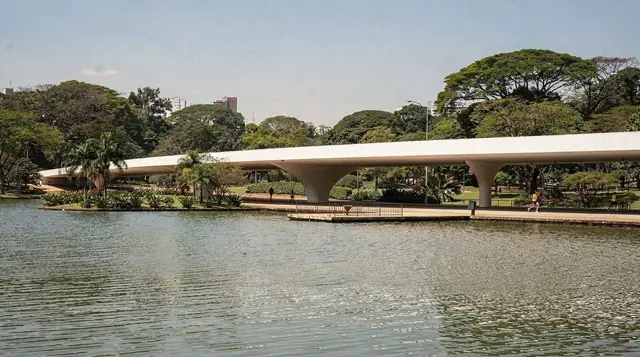
These are our own photographs of São Paulo, not the operator's pictures of this tour — open the tour page to see those.