São Paulo food tours compared
Which São Paulo food tour should I book?
For a broad first-timer introduction, a general city food tour covering multiple neighbourhoods works best. For Japanese-Brazilian food specifically, choose Liberdade. For a hands-on option, a cooking class. Most run 3–5 hours and cost R$250–500 per person, food included.
São Paulo has more food tour operators than most visitors expect, and they cover genuinely different ground — a general city tour is a different experience from a Liberdade-focused one, which is different again from a hands-on cooking class. This guide compares the main formats so you can pick the one that actually matches what you want out of the day, rather than booking the first one that shows up in a search.
| Where | Tours run in Centro, Pinheiros, Liberdade and Vila Madalena depending on focus |
| Cost | R$250–500 per person, most food included |
| Time needed | 3–5 hours for a walking tour; 4 hours for a cooking class |
| Getting there | Most tours meet at a fixed point and are entirely on foot from there |
| Best time | Late morning or early evening starts are most common; avoid booking right at lunch rush if you want a relaxed pace |
General city food tours
The broadest option covers a cross-section of São Paulo’s food identity in one outing — often starting in a market, moving through a few neighbourhood stops, and ending with a sit-down tasting. This is the right starting point if you’re new to the city and want context on the food scene as a whole rather than a deep dive into one specific cuisine or neighbourhood.
São Paulo food tour: the flavors of Brazil is built exactly for this — a broad survey rather than a single-neighbourhood focus, good for a first visit. The Brazilian food tour with a chef and photographer takes a similar broad approach but adds a professional photography element, useful if documenting the trip matters to you as much as the eating. For an evening-focused alternative, the four-hour food crawl through eight local bars and street food stops trades the market-and-walk structure for a bar-hopping format that suits a night out better than an afternoon outing.
Neighbourhood-focused tours
Two neighbourhoods have tours built specifically around their food identity. Pinheiros combines food with the area’s street art scene, useful if you want to cover two interests in one outing rather than scheduling them separately. Liberdade is the deeper option for anyone specifically curious about São Paulo’s Japanese-Brazilian food culture — market stalls, temaki, izakaya snacks — and benefits more than most tours from a guide’s context, since a lot of what’s on offer in Liberdade isn’t self-explanatory to visitors without background on the neighbourhood’s immigration history.
The Pinheiros food and graffiti tour pairs eating with street art in one of the city’s most visually interesting neighbourhoods. The Liberdade street food tour is the better pick if Japanese-Brazilian food specifically is what you’re after — see the Japanese food in São Paulo guide for more on why this neighbourhood carries so much weight in the city’s food identity.
| Best for | Neighbourhoods covered | Duration | |
|---|---|---|---|
| Flavors of Brazil tour | First-timers, broad overview | Multiple | 3–4 hours |
| Chef and photographer tour | Broad overview plus photos | Multiple | 3–4 hours |
| Pinheiros food and graffiti | Food plus street art | Pinheiros | 3–4 hours |
| Liberdade street food tour | Japanese-Brazilian food specifically | Liberdade | 2–3 hours |
| Cooking class | Hands-on, active participation | Fixed kitchen location | 4 hours |
Hands-on cooking classes
If you’d rather cook than just eat, a cooking class is the better format entirely — most run around four hours, cover multiple recipes, and end with you eating what you made alongside the instructor. The four-hour cooking class covering nine recipes with bottomless drinks is the most comprehensive option, walking through a real spread of Brazilian dishes rather than one or two token recipes. The full cooking classes in São Paulo guide covers this format in more depth, including what skill level is expected.
What a typical walking tour actually looks like
Most walking-format tours follow a similar structure regardless of neighbourhood: an opening stop at a market or well-known food institution to set context, followed by three to five smaller tastings spread across a two-to-three-kilometre walking route, ending with either a sit-down meal or a final larger tasting that functions as the meal. Guides typically explain the history and cultural context behind each stop rather than just handing over food — this is the actual value proposition over eating the same items independently, since a lot of São Paulo’s food culture (why coxinha looks the way it does, what makes a good pastel, why Liberdade’s food scene exists at all) isn’t obvious without some background. Groups are usually kept small, generally under fifteen people, which keeps the pace manageable and gives room to ask questions as you go.
Questions worth asking before booking
Not every tour operator structures things identically, so it’s worth confirming a few details ahead of time rather than assuming. Ask how many stops are included and roughly how much food that adds up to, particularly if you have a big appetite or specific dietary needs. Confirm whether the tour is fully on foot or includes any transport between stops, since some neighbourhood-focused tours cover more ground than a single compact area. If English-language guiding matters, confirm the tour runs in English rather than assuming — most catering to international visitors do, but it’s worth a quick check for smaller or newer operators. Finally, confirm the group size if you’d prefer a more intimate experience over a larger group tour.
Seasonal considerations for booking a food tour
Tour availability and comfort shift meaningfully with São Paulo’s seasons, worth factoring in alongside the format comparisons above. Summer (December–March) brings both the year’s heaviest crowds at popular market stops and the risk of an afternoon storm interrupting an outdoor walking route — booking a morning start rather than an afternoon one reduces the odds of rain disrupting a summer tour, since São Paulo’s storms typically build through the afternoon rather than the morning.
Winter (June–August) is drier and more comfortable for walking multiple kilometres between stops, and it’s also the season with the least tour demand, meaning slightly more flexibility on last-minute bookings and marginally better availability for popular time slots than during the summer high season. Whichever season you’re visiting, a tour that runs partly or fully in the early evening rather than midday avoids the worst of the day’s heat regardless of month, which matters more on a walking tour with several kilometres of ground to cover than it does for a single restaurant meal.
What actually differs between these tours
The biggest practical difference isn’t quality — most operators in this space are reliable — it’s focus and pace. Walking tours move through multiple stops with smaller tastings at each, good for variety but less filling than you might expect; some visitors book a light breakfast beforehand rather than arriving hungry expecting a full meal at the first stop. Cooking classes are the opposite: a single location, a slower pace, and a genuinely full meal at the end that you had a hand in making. Neither is objectively better — it depends whether you want breadth or a deeper single experience.
Is a tour actually worth it versus exploring solo
For a confident, food-curious traveller, much of São Paulo’s street food and padaria scene is genuinely navigable without a guide — the São Paulo street food guide and padaria culture guide cover enough context to explore independently and save the cost of a tour. Where a guide adds the most real value is in neighbourhoods with a language or cultural barrier that’s harder to bridge alone — Liberdade specifically, where a lot of the food’s context (why a particular stall matters, what distinguishes a good version of a dish from a mediocre one) isn’t something you can pick up just by walking through. A tour is also simply more efficient if your time in the city is limited: three or four hours with a guide covers more ground, with better context, than the same time spent wandering and guessing.
Coffee-focused tours and farm day trips, a different category entirely
Every tour compared above operates within the city itself, but São Paulo’s food-tour landscape also includes a genuinely different format worth knowing about even if it doesn’t fit a standard city visit: full-day trips out to working coffee and cheese farms in the state’s interior, covering the agricultural side of Brazil’s food identity that a city walking tour simply can’t reach. These run considerably longer than a city food tour, typically a full day with transport included, and trade the density of a multi-stop walking tour for a slower, single-location experience — seeing how coffee is actually grown and processed, not just served. They’re a genuinely different kind of day rather than a more intense version of the same thing, worth considering specifically if the São Paulo coffee guide or the coffee in the country that grows it blog piece has you curious about origins rather than just where to drink a good cup in the city.
What food tours typically don’t cover, and how to fill the gap yourself
No single tour covers everything São Paulo’s food scene actually offers, and it’s worth knowing the specific gaps rather than assuming a booked tour handles the whole picture. Churrasco and rodízio — the sit-down, all-you-can-eat grilled meat format most internationally associated with Brazilian dining — essentially never appears on a walking food tour, since it’s a seated restaurant experience rather than a street-food format; book this separately using the churrasco and rodízio explained guide.
Pizza, despite being one of São Paulo’s genuinely distinctive food traditions thanks to the city’s Italian immigration history, is similarly absent from most tours, since a proper pizza meal doesn’t compress into a quick tasting stop the way a coxinha or a pastel does — see the dedicated São Paulo pizza guide. Fine dining, at the opposite end from street food, is also outside the scope of every tour compared here; the fine dining in São Paulo guide covers that separately. Treat a booked food tour as one strong piece of a broader food itinerary rather than the complete picture.
Tipping your food tour guide
Tipping isn’t automatically built into most food tour prices, and it’s worth budgeting for separately rather than assuming it’s covered. The general guidance from the tipping in Brazil guide — 10–15% for a service you were satisfied with — applies reasonably well to food tours too, though some operators build a gratuity line into checkout at booking, in which case tipping the guide directly in cash on top is a generous but not obligatory extra. For cooking classes specifically, where the instructor spends several hours with a small group, tipping toward the higher end of that range is more standard practice than for a larger walking tour.
Vegetarian and vegan travellers on a food tour
Food tours built around São Paulo’s meat-forward street food traditions — coxinha with chicken filling, various grilled meats, mortadella sandwiches — can be genuinely limiting for vegetarian or vegan travellers if you don’t flag it ahead of time. Most established operators can adapt with advance notice, substituting vegetarian versions of the same core dishes or adjusting the stop list to lean toward naturally plant-based options, but this generally needs to happen at booking rather than being solvable on the day itself, since some stops are fixed vendor relationships the guide can’t easily swap out last-minute. The vegetarian and vegan São Paulo guide covers what’s realistic citywide beyond any single tour, useful context for setting expectations before you commit to a specific operator.
Combining a tour with the rest of your food itinerary
A food tour works best as a highlight within a broader food-focused day or trip rather than the only food-related activity. The São Paulo food guide gives the full picture of what to eat beyond any single tour, and the where to eat in São Paulo guide covers restaurant selection for the meals you’ll have outside the tour itself.
Solo travellers and food tours
A food tour is one of the more naturally solo-friendly activities on this site, worth flagging specifically since eating alone at a series of restaurants isn’t always an appealing prospect for a solo traveller. Walking-format tours put you in a small group by default, giving a built-in social element without requiring any extra effort, and guides are generally used to solo bookings making up a meaningful share of their group on any given day. Cooking classes work similarly well solo, and arguably better — the shared hands-on activity gives natural conversation starters with other participants that a purely observational walking tour doesn’t always generate. If solo dining specifically feels daunting elsewhere on your trip, booking at least one food tour early in your stay is a reasonable way to offset it with a guaranteed social meal.
Frequently asked questions about São Paulo food tours
Which food tour is best for a first-time visitor?
A broad city-wide tour like the flavors of Brazil tour — it gives context across multiple neighbourhoods and cuisines rather than focusing narrowly on one.
Are food tours worth it if I’m confident navigating on my own?
They add the most value in Liberdade, where cultural and historical context genuinely changes what you understand about what you’re eating. For general padaria and street food exploration, you can reasonably do it yourself using the São Paulo street food guide.
How much food do you actually get on a walking tour?
Enough to constitute a meal across several smaller tastings, but not necessarily as filling as a single sit-down dinner — don’t arrive starving.
Are cooking classes suitable for beginners?
Yes, most are designed for a general audience with no assumed prior cooking skill, and instructors typically speak English.
Can food tours accommodate dietary restrictions?
Many can with advance notice — contact the operator before booking if you have specific vegetarian, vegan or allergy needs. See the vegetarian and vegan São Paulo guide for context on what’s realistic.
How far in advance should I book a food tour?
A few days ahead is usually sufficient outside peak holiday periods, though popular time slots (weekend mornings) can fill faster.
Do food tours include alcohol?
Some do, particularly cooking classes with “bottomless drinks” built in — check the specific tour description, since it varies.
How many stops does a typical walking food tour include?
Usually three to five tastings across a two-to-three-kilometre route, plus an opening context-setting stop and often a final larger tasting or sit-down meal at the end.
Is it better to book a tour with a large group or a small one?
Smaller groups (generally the norm for most São Paulo food tours, often under fifteen people) allow more direct interaction with the guide and an easier pace — worth confirming group size if that matters to you.
Can I combine a food tour with other activities on the same day?
Yes, easily — most run 3–4 hours, leaving room for a museum visit, a park walk or another neighbourhood in the same day, though plan for some downtime afterward given how much walking and eating is packed in.
Fitting this into your trip
One food tour fits naturally into a single day of a three-day or five-day itinerary without displacing other sightseeing. If food is the primary focus of your trip, the food lover’s São Paulo itinerary sequences a tour alongside markets, restaurants and a cooking class across multiple days.
São Paulo food & drink tours on GetYourGuide
Verified deep-linked GetYourGuide tours. Book through these links and we earn a small commission at no cost to you.
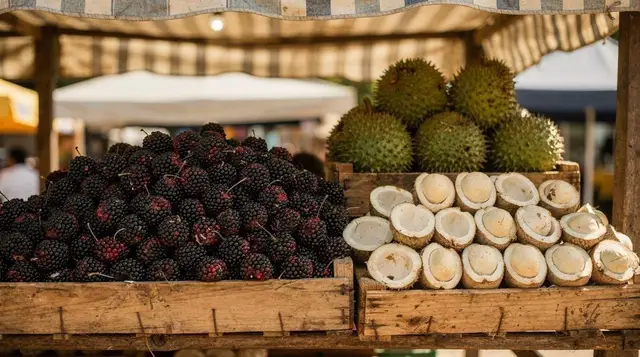
These are our own photographs of São Paulo, not the operator's pictures of this tour — open the tour page to see those.