A guide to Vila Madalena
What is Vila Madalena known for?
Beco do Batman's street art, one of the city's best bar and nightlife scenes centred on Rua Aspicuelta, and a bohemian, walkable atmosphere unlike anywhere else in São Paulo. It's best visited in the afternoon for street art and stays lively into the night for bars and restaurants.
Vila Madalena is the neighbourhood most visitors mean when they picture São Paulo’s “cool” side — narrow streets covered in murals, a genuinely walkable bar scene, and an atmosphere that feels more like a village within the city than a typical urban district. It grew from a middle-class residential area into an arts and nightlife hub over the past few decades, and it now sits alongside Pinheiros as one of the two neighbourhoods that best represent how São Paulo diverges from its business-city reputation.
For the wider context of how this neighbourhood fits into the city, see the São Paulo neighbourhoods explained guide; for the destination-page version of this guide with practical visiting details, see the Vila Madalena destination page.
| Where | West São Paulo, on metro Line 2 (Green), Vila Madalena station |
| Cost | Free to walk; R$20–50 (~US$4–9) for drinks and street food |
| Time needed | Half a day for street art, a full evening for the bar scene |
| Getting there | Metro Line 2 to Vila Madalena station, then a 5-10 minute walk |
| Best time | Weekday afternoons for street art without crowds; Thursday-Saturday nights for the bar scene |
Beco do Batman: the headline attraction
Beco do Batman is a narrow alley covered floor to roofline in street art, named for a Batman stencil painted there decades ago that’s long since been painted over by newer work. It’s the most photographed spot in the neighbourhood and, on weekend afternoons, the most crowded — arrive on a weekday morning if you want it without competing for photo space. The murals rotate regularly as artists paint over older work, so no two visits look quite the same. A São Paulo street art tour is worth booking here specifically, since a guide can explain which pieces are by internationally recognised artists and which are recent additions — a distinction that isn’t obvious from looking at the wall alone.
Beyond the alley: the wider street art scene
Beco do Batman gets the attention, but the surrounding blocks — particularly toward Pinheiros — carry the scene much further, with entire building facades and side streets covered in work that rarely makes it into photos of the famous alley. A bike tour covering the coolest urban scenes is a good way to see more of this in less time than walking would allow. See the Beco do Batman guide and São Paulo street art guide.
Rua Aspicuelta and the bar scene
Once evening arrives, Vila Madalena shifts into its other identity: one of the few places in São Paulo where walking between bars on foot, in a group, at night feels genuinely normal rather than something you’d rather avoid. Rua Aspicuelta and the streets around it fill with bars spilling onto the pavement from early evening — Thursday and Friday are busiest, Monday and Tuesday noticeably quieter if you’d prefer a calmer night. A bars and clubs walking tour is a good option if you want a guided introduction to the scene rather than picking spots blind on your first night. See the bars in Vila Madalena guide.
Rua Harmonia: a quieter alternative
Two streets over from Aspicuelta’s bar-heavy strip, Rua Harmonia offers a calmer version of the same neighbourhood — independent cafés, small galleries, and a noticeably slower pace. It’s worth a midday visit if you’ve already done the famous alley and bar strip and want to see the neighbourhood’s quieter side.
Food in Vila Madalena
The neighbourhood’s food scene ranges from casual botecos to more serious kitchens, and it blends into Pinheiros’ food-and-graffiti scene at the edges. A Pinheiros food and graffiti tour covers both neighbourhoods’ overlapping strengths in one outing if you want food and street art combined rather than as separate activities. See the where to eat in São Paulo guide for specific recommendations.
Praça Benedito Calixto’s Saturday market
On Saturdays, the neighbourhood’s edge toward Pinheiros hosts the Praça Benedito Calixto antiques and crafts market — vintage furniture, vinyl, jewellery, and a reliable live samba and choro corner in the afternoon. It’s a genuinely local scene rather than a tourist-facing one, and it pairs naturally with an afternoon in Vila Madalena proper. See the Praça Benedito Calixto Saturday market guide.
How Vila Madalena compares to Pinheiros
The two neighbourhoods border each other closely enough that most visitors treat them as one continuous area, but there’s a real distinction: Vila Madalena leans more bohemian and nightlife-focused, with the famous alley and the densest bar strip, while Pinheiros is slightly more residential, with its own strong but less concentrated food and street art scene. See the guide to Pinheiros for the full comparison.
A short history: from residential suburb to arts district
Vila Madalena started the 20th century as a fairly ordinary residential neighbourhood, and its transformation into an arts and nightlife hub is relatively recent — driven from the 1980s and 90s onward by artists and students drawn to its cheap rents and quiet, hilly streets, followed by the bars and galleries that made it a destination in its own right. That history explains some of the neighbourhood’s physical character: narrow, winding streets that don’t follow a grid, small independent buildings rather than towers, and a village-like feel that’s increasingly rare in a city as dense as São Paulo. The street art scene grew directly out of this same artistic concentration, rather than being a later, separate development.
Shopping and galleries
Beyond the bars and murals, Vila Madalena has a genuine concentration of small independent galleries, design shops and vintage clothing stores, mostly clustered along and near Rua Harmonia and Rua Girassol. This side of the neighbourhood is easy to miss if you’re focused purely on the alley and the bar strip, but it rewards an unhurried midday wander, particularly if you’re interested in Brazilian contemporary art and design outside the formal museum context.
How the neighbourhood’s fame reshaped its own housing market
Vila Madalena’s transformation from cheap artists’ enclave to one of São Paulo’s most visited neighbourhoods hasn’t been free of consequences for the people who live there. Rents have climbed substantially over the past two decades as the same bohemian reputation that drew original residents began attracting developers, short-term rental listings and businesses aimed squarely at visitors rather than locals, a pattern common to “discovered” creative neighbourhoods worldwide but keenly felt here given how quickly the shift happened.
Short-term rental platforms in particular have concentrated heavily in Vila Madalena precisely because of its visitor appeal, which some longtime residents and local commentators argue has pushed ordinary residential rents up and reduced the available long-term housing stock in the immediate area around the main bar streets. None of this changes what makes the neighbourhood worth visiting, but it’s a useful piece of honest context if you hear a local describe Vila Madalena’s current character as different, and often less genuinely bohemian, than it was a decade or two ago — that’s a real observation about a real economic shift, not simple nostalgia.
Where Vila Madalena fits into São Paulo’s LGBTQ+ scene
Vila Madalena isn’t the city’s primary LGBTQ+ nightlife district — that distinction belongs more to the Rua Frei Caneca and Consolação area — but its generally open, mixed, non-judgmental bar culture means it’s a comfortable evening for LGBTQ+ visitors regardless, and a handful of specifically LGBTQ+-friendly bars operate within the neighbourhood’s broader scene rather than being segregated to a separate strip. If a dedicated LGBTQ+ nightlife scene specifically is what you’re after, the LGBTQ+ nightlife in São Paulo guide covers the Consolação district in full; the broader LGBTQ+ São Paulo guide puts both areas in context alongside the rest of the city, including the massive annual Parada LGBT+ on Avenida Paulista every June, one of the largest Pride events in the world.
A practical loop: combining Vila Madalena and Pinheiros in one day
Because the two neighbourhoods border each other so closely, a single well-planned loop covers both without backtracking. Start at Vila Madalena metro station and head first to Beco do Batman for street art before the late-morning heat and crowds build, then work south along Rua Harmonia for the galleries and quieter cafés described above. From there, continue toward Pinheiros proper — walkable in 15–20 minutes, or a short rideshare if you’re short on time or energy — for lunch and an afternoon exploring that neighbourhood’s own food and design scene, covered in the guide to Pinheiros. Loop back to Vila Madalena’s Rua Aspicuelta by early evening for dinner and the bar scene, closing the day where you started. This sequencing avoids the common mistake of treating the two neighbourhoods as entirely separate outings on different days, which wastes time re-entering an area you’d already covered from the other direction.
A rainy-day version of Vila Madalena
Street art and outdoor bar-hopping both lose most of their appeal in a downpour, so it’s worth having a wet-weather plan specific to this neighbourhood rather than abandoning it entirely for indoor alternatives elsewhere. Several of Rua Harmonia’s small galleries and design shops stay comfortably browsable in the rain, and a number of the neighbourhood’s better cafés — part of the scene covered in the coffee in São Paulo guide — are worth treating as a genuine rainy-afternoon destination rather than a quick coffee stop, with enough seating and atmosphere to sit out a storm properly. Bars with substantial covered or indoor seating keep the evening scene alive even in wet weather, since São Paulo’s afternoon storms typically clear by evening — see the what to do in São Paulo when it rains guide for the citywide version of this planning problem.
Getting around within the neighbourhood
Vila Madalena is compact enough to cover mostly on foot once you’re there — the distance from Beco do Batman to the main bar strip on Rua Aspicuelta is a 10-15 minute walk, and most of what’s worth seeing sits within a similar radius. The streets are hilly in places, which is worth knowing if you’re visiting in São Paulo’s summer heat and humidity, but nothing that requires transport between stops within the neighbourhood itself.
Seasonal notes: how the neighbourhood changes across the year
Vila Madalena’s outdoor-heavy character means it genuinely shifts with São Paulo’s seasons more than some more indoor-focused parts of the city. Summer (December–March) brings the fullest outdoor bar terraces and the liveliest street energy, but also the highest odds of an afternoon storm cutting a day of street-art wandering short — see the São Paulo in summer guide for how to plan around it. Winter (June–August) is drier and noticeably cooler in the evenings, which changes the bar scene’s rhythm slightly — expect more people indoors or in enclosed sections of a bar rather than lingering on open pavement seating, and dress in light layers rather than the shorts-and-t-shirt norm of a summer evening here. Either season works for a visit; the difference is mainly about matching your own plans (heavy street-art photography, a long outdoor bar crawl) to the season’s actual conditions rather than assuming the neighbourhood behaves identically year-round.
Should you stay here?
Vila Madalena is a strong choice as a base if nightlife and street art matter more to your trip than being closest to Centro Histórico or the museums — see the where to stay in São Paulo guide for the full trade-off against Jardins and Paulista.
What a first-timer typically gets wrong here
The most common mistake isn’t a safety issue or a logistics error, it’s a timing one: arriving on a Saturday or Sunday afternoon expecting a relaxed, uncrowded wander through Beco do Batman, only to find the alley genuinely packed with other visitors doing the exact same thing, phones out, waiting for a clear shot of the same few murals. A weekday morning visit, ideally before 11am, gives a meaningfully different experience of the same alley — worth the schedule adjustment if photography without a crowd in every frame matters to you. The second common miss is treating Vila Madalena as a single evening stop rather than budgeting separate time for its daytime identity, then feeling rushed trying to fit street art, shopping and dinner all into a few compressed hours before a bar crawl. Splitting the neighbourhood across an afternoon and a separate evening, even a day or two apart, generally produces a better experience than trying to cram both versions of Vila Madalena into one visit.
Comparing a day visit versus a night out here
| Daytime visit | Evening / night out | |
|---|---|---|
| Focus | Beco do Batman, street art, cafés | Bars, restaurants, live music |
| Best days | Weekday mornings, quieter | Thursday-Saturday |
| Crowd level | Manageable except weekend afternoons | Busy, especially Friday-Saturday |
| Pairs well with | Praça Benedito Calixto (Saturdays) | An early dinner in the neighbourhood first |
Frequently asked questions about visiting Vila Madalena
Is Vila Madalena safe at night?
Yes, on the main streets with normal precautions — it’s one of the more walkable nightlife areas in the city. Take a rideshare back to your hotel rather than the metro very late at night.
What’s the best day to visit for the market?
Saturday, for the Praça Benedito Calixto antiques and crafts market bordering the neighbourhood.
How long should I spend in Vila Madalena?
Half a day covers the street art properly; add an evening if the bar scene interests you. It works well as either a standalone half-day trip or an overnight base.
Is Beco do Batman worth visiting on a weekend?
Yes, but expect crowds in the afternoon — a weekday morning gives a calmer experience if photos without other people matter to you.
How do I get to Vila Madalena?
Metro Line 2 (Green) to Vila Madalena station, then a 5-10 minute walk to Beco do Batman and the main bar streets.
Is Vila Madalena walkable, or do I need transport between spots?
Walkable — the distance from Beco do Batman to the main bar streets is about 10-15 minutes on foot, and most of the neighbourhood’s highlights sit within that same radius.
Does Vila Madalena get crowded with tourists?
Beco do Batman does, particularly on weekend afternoons — the bar streets stay more mixed between visitors and locals even at their busiest, since they’re a genuine part of paulistano nightlife rather than a purely visitor-facing scene.
What should I wear for an evening out in Vila Madalena?
Casual works everywhere — no dress codes to worry about at the neighbourhood’s bars and casual restaurants, though comfortable shoes matter given the hilly, sometimes uneven pavement on the older streets.
Is Vila Madalena good for families?
The street art works fine during the day; the evening bar scene is adult-oriented. See the São Paulo with kids guide for family-focused alternatives.
Fitting this into your trip
Vila Madalena fits naturally into the São Paulo in one day guide as the afternoon-and-evening stop, and into the perfect São Paulo weekend itinerary as a Saturday-evening anchor. For a longer trip, the three days in São Paulo itinerary gives it a full dedicated slot alongside Centro Histórico and Paulista.
São Paulo culture, nightlife & street art experiences on GetYourGuide
Verified deep-linked GetYourGuide tours. Book through these links and we earn a small commission at no cost to you.
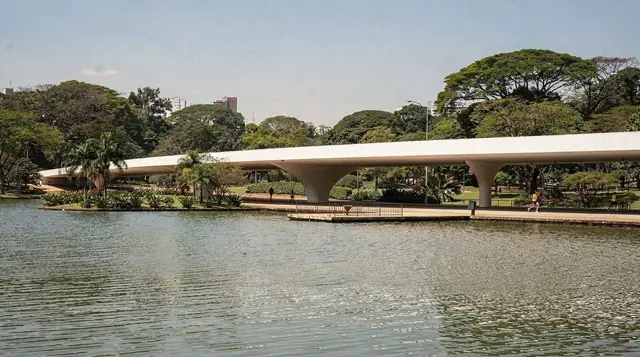
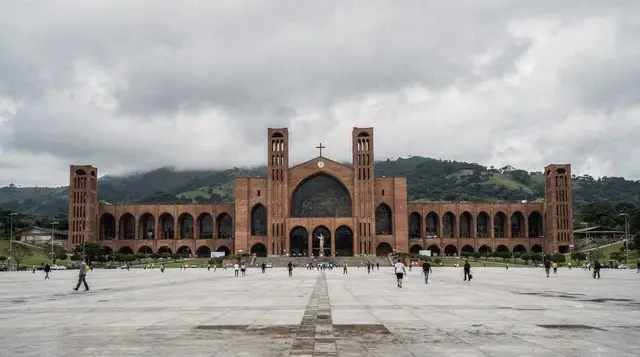
These are our own photographs of São Paulo, not the operator's pictures of this tour — open the tour page to see those.