Farol Santander observation deck
What is Farol Santander and is it worth visiting?
Farol Santander is a restored 1947 Art Deco skyscraper in downtown São Paulo, once the tallest building in South America, now a cultural centre with exhibition floors, a café and an observation deck. It's worth 1.5-2 hours and pairs naturally with a historic-centre walk — the building itself is as much the attraction as the view.
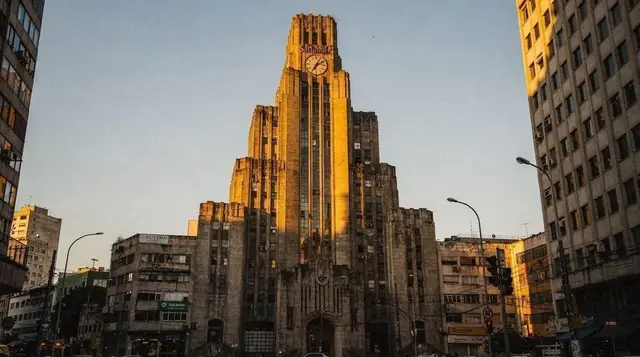
Farol Santander — “farol” means lighthouse — occupies a 1947 Art Deco tower in the historic centre that spent decades as an ordinary bank headquarters before a major restoration turned it into one of São Paulo’s better cultural venues, with exhibition floors, a café, a cinema and an observation deck near the top. It’s worth knowing the building’s history before you go, because unlike a purpose-built viewing platform, the view here is really a bonus attached to a genuinely interesting piece of architecture and a period of the city’s commercial history. This guide covers tickets, what’s inside beyond the deck, and how to fold a visit into a wider historic-centre day.
| Where | Rua João Brícola 24, Centro Histórico, near Praça da Sé and Pátio do Colégio |
| Cost | Roughly R$30-60 (~US$6-12) for observation deck access; exhibition pricing varies |
| Time needed | 1.5-2 hours including exhibitions |
| Getting there | Metro São Bento or Sé (Line 1 Blue / Line 3 Red), short walk |
| Best time | Weekday mornings for a quiet visit; late afternoon for the view before sunset |
A brief history: from tallest building in South America to bank HQ to cultural centre
The tower was completed in 1947 for Banco Bandeirantes and, at just over 160 metres, was for a period the tallest building in South America — a genuine symbol of São Paulo’s mid-20th-century economic rise, built during the same postwar boom that reshaped much of the historic centre’s skyline. It later passed to Banespa, the state bank, and then to Santander after a 2000s-era banking consolidation, spending most of that time functioning as ordinary office space rather than a public attraction.
A major restoration, completed in the 2010s, stripped back decades of alterations, restored the original Art Deco detailing on the façade and lobby, and reopened the building as a mixed cultural venue — part museum, part cinema, part observation deck — while Santander retained naming rights and some office functions in the lower floors. Knowing this arc matters because it explains why the building feels different from a typical modern attraction: you’re walking through a restored working office tower with its original bones largely intact, not a space built from scratch for tourism. For the wider context of this part of the city, see the historic centre guide.
The observation deck
Near the top of the tower, the observation deck gives a view over the dense historic centre immediately below — the cathedral, Pátio do Colégio, Praça da Sé and the tangle of narrow commercial streets that make up old downtown São Paulo — with the modern towers of Avenida Paulista and beyond visible further out. It’s lower than the Sampa Sky platform’s roughly 170 metres a few blocks away, but the trade-off is context: because you’re looking directly down at the historic core rather than the whole metropolitan sprawl, the view reads as a story about the city’s development rather than pure scale. a Sampa Sky entry ticket is worth adding to the same day if you want both perspectives — the two viewpoints are a genuinely short walk apart and complement rather than duplicate each other.
What else is inside
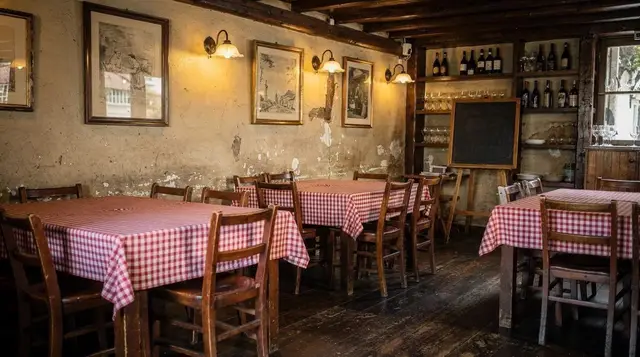
Beyond the deck, Farol Santander runs a rotating programme of art and cultural exhibitions across several floors, ranging from photography retrospectives to design and technology-themed shows — check the current programme before visiting, since it changes every few months and is sometimes the more compelling reason to go over the view itself. There’s a small cinema showing arthouse and classic films on a limited schedule, a café on one of the lower levels, and a gift shop with better-curated souvenirs than most downtown tourist stalls. The lobby itself, restored to its original Art Deco detailing — marble, brass fittings, period signage — is worth a slow look even if you don’t buy a ticket to go further up; it’s one of the better-preserved commercial interiors of this era left in the city.
| Farol Santander | Sampa Sky | |
|---|---|---|
| Height | Lower, mid-city tower | ~170m, highest public viewpoint in São Paulo |
| Extra content | Exhibitions, cinema, restored Art Deco lobby | Glass-floor platform, pure view focus |
| Context | Historic centre, mid-20th-century architecture | 360-degree metropolitan scale |
| Best paired with | A historic-centre walking day | A dedicated skyline/photography visit |
Combining with a historic-centre walk
Farol Santander sits within easy walking distance of the historic centre’s other major sights — Pátio do Colégio, where the city was founded in 1554, the Metropolitan Cathedral at Praça da Sé, and the old commercial streets around Rua XV de Novembro. a downtown walking tour with Farol Santander entry bundles the tower with a guided walk through this surrounding area, which is genuinely the more efficient way to see the neighbourhood if you’d rather have context explained as you go than navigate the (safe by day, but occasionally chaotic) historic centre streets on your own. For a shorter option, a two-hour downtown-centre walking tour covers similar ground at a faster pace.
The Art Deco detail worth slowing down for
If you have any interest in architecture, don’t rush the lobby and lower floors on your way to the elevator — this is one of the most intact Art Deco commercial interiors left in São Paulo, and the restoration team went to real lengths to bring back original details that had been covered over during decades of ordinary bank use: geometric brass grillwork, restored period lighting fixtures, marble flooring patterns that had been carpeted over, and painted ceiling details that were rediscovered during the renovation and cleaned rather than replaced. The building sits within a wider cluster of early-to-mid-20th-century commercial towers in this part of the historic centre, part of the same downtown building boom that gave São Paulo its first real skyscraper skyline before Avenida Paulista and the western neighbourhoods took over as the city’s commercial centre of gravity. The São Paulo architecture guide places Farol Santander within that broader story if the period interests you.
Exhibition programme and what changes
Unlike the observation deck, which is a fixed, permanent feature, the exhibition floors rotate on a schedule of several months per show, and the quality and subject matter vary considerably — some past programming has leaned toward major international photography names, others toward Brazilian design and technology themes aimed at a broader, more casual audience. It’s worth checking the current show before you visit if a specific exhibition is part of your reason for going, since there’s no guarantee a headline-grabbing show will overlap with your travel dates. The building’s cinema runs on an even more limited schedule, typically a handful of screenings per week rather than a full daily programme, and tends toward Brazilian and international arthouse titles rather than mainstream releases — check listings directly if that’s of interest, since it’s easy to miss if you’re not specifically looking for it.
Getting there and safety notes
Metro São Bento (Line 1 Blue) or Sé (Line 1 Blue / Line 3 Red) both put you within a five-to-ten-minute walk of the tower, and this part of the historic centre is genuinely walkable and reasonably safe during daytime business hours, when the streets are busy with office workers and shoppers. The picture changes after dark and on weekends, when much of the historic centre empties out and some streets feel noticeably less comfortable — plan a Farol Santander visit for daytime, ideally on a weekday, and combine it with other daytime historic-centre activities rather than an evening outing.
The is São Paulo safe guide covers the historic centre’s day-versus-night dynamic in more detail, and it’s worth reading before you build a full day around this part of the city. If you’re relying on a rideshare rather than the metro, be aware that historic-centre streets are narrow and one-way in places, and traffic here backs up meaningfully during the morning and evening rush (7-10am, 5-8pm) — the metro is genuinely the more reliable option for this specific part of town at those times.
Nearby historic-centre sights worth combining
Once you’re in this part of downtown, several other sights are within a short walk and worth folding into the same visit. The Metropolitan Cathedral at Praça da Sé is the historic centre’s most visually dominant building, a short walk from Farol Santander. Pátio do Colégio marks the exact site where Jesuit priests founded the settlement that became São Paulo in 1554, and its small museum covers that founding story in more depth than most visitors expect from what looks like a modest colonial-style courtyard. Mercado Municipal, the city’s grand early-20th-century covered market, is a slightly longer walk or short metro hop away and pairs naturally with a historic-centre day if you haven’t already covered it — see the Mercado Municipal guide for what to order and what to skip there. For a fuller walking route through this cluster of sights, a downtown historical bike tour covers more ground in less time than walking, if you’d rather cycle between stops.
Photography at Farol Santander
The observation deck and lobby are both popular photography spots, and for good reason — the mix of restored period architecture and a genuine city view is a rarer combination than either element alone. The São Paulo photography spots guide lists this building among its recommended locations, particularly the lobby’s geometric brass detailing, which photographs well even on an overcast day when the observation deck view itself might be hazier than ideal. If you’re building a dedicated photography day around the historic centre, pair this with the São Paulo museums guide for other architecturally interesting interiors nearby, several of which share a similar early-to-mid-20th-century commercial pedigree.
A reliable rainy-day option
Because almost everything worth seeing at Farol Santander — the observation deck, the exhibition floors, the restored lobby, the cinema — sits indoors or under cover, it’s one of the more dependable historic-centre stops when São Paulo’s afternoon storms roll in, particularly during the wet summer months (December–March). Where an outdoor walking route through Praça da Sé and Pátio do Colégio can get genuinely disrupted by a sudden downpour, Farol Santander simply continues as normal, and the observation deck’s glass enclosure means you can still take in the view even during heavy rain, albeit with visibility reduced. If you’re planning a historic-centre day and the forecast looks unsettled, it’s worth putting Farol Santander later in the itinerary as a flexible, weather-proof stop you can lean on if an earlier outdoor plan gets rained out. See the what to do in São Paulo when it rains guide for more options across the city.
Accessibility
As a restored early-20th-century office tower rather than a purpose-built modern attraction, Farol Santander’s accessibility is better than you might expect from the building’s age, largely because the 2010s restoration included lift upgrades as part of the broader renovation. Lifts run from the lobby to the observation deck and exhibition floors, and the main public areas are step-free once inside, though the original building’s ground-floor entrance and some transition points between sections retain small level changes typical of a converted historic structure. If you have specific mobility requirements, it’s worth confirming current lift access and any temporary closures directly with the venue before visiting, since maintenance on a building this old is an ongoing reality rather than a one-time restoration event.
Visiting with kids
Farol Santander works reasonably well for families, particularly as a change of pace from an outdoor walking day — the observation deck is a straightforward, low-effort highlight for most children, and the rotating exhibitions occasionally include content genuinely engaging for younger visitors, though this depends entirely on the current programme. The building’s cinema, when its limited schedule includes anything family-appropriate, is a pleasant option for a rainy afternoon, though check listings directly since the programme leans toward arthouse and adult-oriented films more often than not. Unlike some of the historic centre’s other attractions, there’s no significant walking or standing required beyond moving between floors by lift, which makes it a manageable stop even with younger children or a stroller, provided you’re comfortable navigating a modestly busy lobby at peak times.
Frequently asked questions about Farol Santander
How long does a Farol Santander visit take?
1.5 to 2 hours covers the observation deck and a current exhibition at a relaxed pace. Add extra time if you want to see a film at the on-site cinema.
Is Farol Santander worth it if I’m also visiting Sampa Sky?
Yes — the two are close together and offer different things: Farol Santander for architecture and historic-centre context, Sampa Sky for pure height and scale. Doing both on the same day is realistic and worthwhile.
What was Farol Santander before it became a cultural centre?
It opened in 1947 as the headquarters of Banco Bandeirantes, later passed to Banespa and then Santander, functioning as an office tower for most of its history before its 2010s restoration into a public cultural venue.
Is the area around Farol Santander safe to visit?
During the day, yes — this part of the historic centre is busy with office workers and generally comfortable to walk. It’s less recommended after dark or on quiet weekends, when foot traffic drops significantly.
Do I need to book tickets in advance?
It’s a good idea for weekends, though weekday visits are usually manageable without pre-booking. Check the current exhibition schedule too, since some special shows carry separate or additional ticketing.
What’s the best time of day for the observation deck view?
Late afternoon into early evening, giving you daylight visibility over the historic centre plus, if you stay, the transition into the city’s lit-up evening skyline.
Is there a café or restaurant inside?
Yes, a café operates on one of the lower floors — a reasonable stop for a coffee break between the exhibitions and the observation deck rather than a dedicated dining destination.
Is Farol Santander wheelchair accessible?
Largely yes — lifts serve the observation deck and exhibition floors as part of the building’s 2010s restoration, though some transition points typical of a converted historic structure retain small level changes. Confirm current access directly with the venue if you have specific mobility needs.
Fitting Farol Santander into your trip
Farol Santander fits naturally into a historic-centre-focused morning or afternoon on any itinerary length. On a one-day itinerary, it’s a strong anchor for a downtown morning before moving on to Avenida Paulista in the afternoon; on a three-day itinerary, pair it with the rest of the historic centre for a full dedicated day. If art and architecture are the focus of your trip specifically, the art and architecture itinerary includes Farol Santander alongside the city’s other major architectural sites.
Best viewpoints & lookout tours in São Paulo on GetYourGuide
Verified deep-linked GetYourGuide tours. Book through these links and we earn a small commission at no cost to you.
These are our own photographs of São Paulo, not the operator's pictures of this tour — open the tour page to see those.