Where to eat in São Paulo
Where should I eat in São Paulo?
Spread your meals across neighbourhoods rather than staying near your hotel: Liberdade for Japanese-Brazilian food, Bixiga for traditional Italian-São Paulo trattorias, Pinheiros and Vila Madalena for the contemporary bar-and-small-plates scene, and Jardins for the city's fine-dining concentration. Budget R$25-60 for a solid casual meal, R$150-400+ per person for a serious tasting menu.
São Paulo is, by most serious measures, Latin America’s most important food city — the scale of immigration that built it (Italian, Japanese, Lebanese, Portuguese, and internal migration from across Brazil) shows up directly on its menus, and there’s genuinely no single “São Paulo cuisine” the way there might be a signature dish in a smaller city. What that means practically is that where you eat matters more here than in most destinations: a hotel-adjacent meal in the wrong neighbourhood tells you almost nothing about what the city actually offers. This guide breaks down where to eat by neighbourhood and budget, with the honest picks and the honest skips.
| Best overall areas | Pinheiros, Vila Madalena, Bixiga, Liberdade, Jardins |
| Cost | R$25-60 casual meal; R$80-150 mid-range; R$150-400+ tasting menu |
| Time needed | Spread across your whole trip, not a single outing |
| Getting there | Metro plus rideshare for evening venues in most food-focused neighbourhoods |
| Best time | Lunch (12-2pm) and dinner (7:30-10pm) are the standard windows; Brazilians eat dinner later than much of Europe |
Think in neighbourhoods, not restaurant names
The single most useful mental shift for eating well in São Paulo is to stop searching for individual “best restaurant” lists and start thinking neighbourhood by neighbourhood, because each area’s food identity is genuinely distinct and tied to specific immigration histories. Liberdade is the historic Japanese-Brazilian neighbourhood, still the strongest concentration of Japanese food outside Japan in the Western hemisphere by most estimates. Bixiga carries the city’s Italian-immigrant identity in dozens of family-run trattorias serving a distinctly São Paulo take on Italian food, heavier and more Brazilian-adapted than you’d find in Italy itself.
Pinheiros and Vila Madalena hold the contemporary scene — small plates, natural wine, chef-driven bars that have opened over the past decade. Jardins concentrates the city’s fine dining, including several restaurants that regularly appear on world’s-best lists. See the Liberdade guide, Bixiga guide, Pinheiros guide and Vila Madalena guide for the full neighbourhood pictures. a Pinheiros food and graffiti tour is a good structured way to cover that specific neighbourhood’s food-and-street-art combination in one guided outing.
Casual eating: padarias, botecos and lanchonetes
For everyday casual eating, São Paulo runs on padarias (bakery-cafés), which double as informal breakfast and light-meal spots across every neighbourhood in the city, serving pão de queijo, misto quente sandwiches and strong coffee at prices that rarely exceed R$15-25 for a full light meal. Botecos — casual corner bars serving cold beer and simple bar snacks like coxinha, pastel and bolinho de bacalhau — are the backbone of São Paulo’s low-key social eating culture, and a good boteco crawl tells you more about how paulistanos actually eat and drink than a single fine-dining reservation. The padaria culture guide and boteco culture guide cover both in depth. a Liberdade street food tour is a good structured way to sample a concentrated range of casual food in a single outing if you’re short on time.
Mid-range: where most of your meals should land
For a proper sit-down meal without fine-dining pricing, expect R$60-150 per person depending on the restaurant and how much you drink — this is where most of your meals in São Paulo should realistically land if you’re eating out regularly across a multi-day trip. Rodízio (all-you-can-eat) churrascarias fall into this bracket and are a genuinely good-value way to sample a huge range of Brazilian meat cuts in one sitting, though quality varies enormously between tourist-oriented and locally-favoured spots — see the churrasco and rodízio guide for how to tell the difference. a São Paulo food tour covering the flavors of Brazil is a solid way to hit several mid-range and casual spots across a single guided outing rather than researching each one individually.
Fine dining: is it worth the splurge?
São Paulo’s upper-tier restaurant scene is genuinely world-class, with several kitchens that have earned serious international recognition for reinterpreting Brazilian and Amazonian ingredients through a fine-dining lens. Expect R$250-500+ (~US$50-100+) per person for a full tasting menu with wine pairings at the top tier, and book well in advance — the city’s best-known tables can require reservations weeks ahead, particularly on weekends. a Brazilian food tour with a chef and photographer is a useful middle ground if you want a curated, expert-guided food experience without committing to a single high-stakes reservation. See the São Paulo fine dining guide for specific recommendations and how to book.
| Casual | Mid-range | Fine dining | |
|---|---|---|---|
| Price per person | R$15-40 | R$60-150 | R$250-500+ |
| Examples | Padarias, botecos, street food | Rodízio, neighbourhood trattorias | Tasting-menu restaurants |
| Reservation needed | No | Sometimes, weekends | Yes, often weeks ahead |
| Best for | Quick meals, sampling widely | Most evening meals | A dedicated splurge night |
What’s overrated and worth skipping
Being honest about this matters as much as the recommendations. The Avenida Paulista strip has a concentration of forgettable, overpriced tourist-facing restaurants trading purely on foot traffic and location rather than food quality — walk a block or two off the main avenue into Jardins or Bela Vista side streets instead, and the quality-to-price ratio improves noticeably. Mercado Municipal’s food stalls, while a genuine city institution worth visiting for the mortadella sandwich experience, run inflated prices that don’t match the quality elsewhere in the market — see the Mercado Municipal guide for exactly what’s worth ordering there and what to skip.
Coffee, drinks and the in-between meals
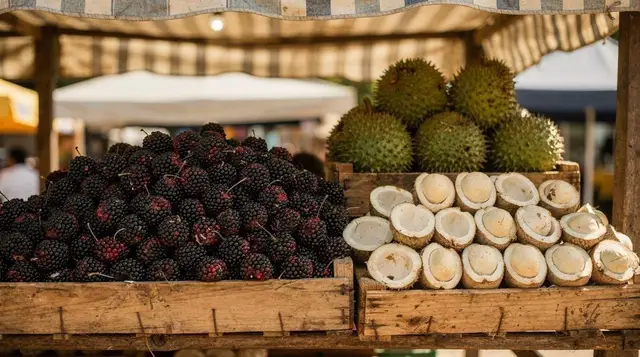
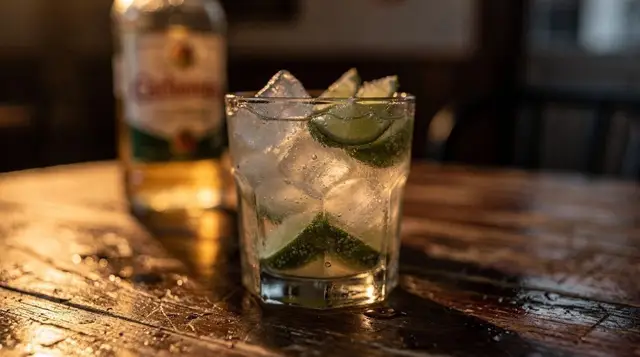
São Paulo takes coffee seriously in a way that goes beyond a quick espresso between meals — the country grows the beans, and the city has a genuine specialty-coffee scene layered on top of the traditional padaria café culture, particularly in Vila Madalena and Pinheiros. The São Paulo coffee guide covers both traditions. For drinks beyond coffee, cachaça-based caipirinhas are the default order at most bars and restaurants, and quality varies far more than the drink’s simplicity suggests — see the cachaça and caipirinha guide for what separates a well-made one from a tourist-bar version. Brazilian fruit, much of it unfamiliar to visitors, shows up constantly in juices, desserts and cocktails across the city — the Brazilian fruit guide is worth a read before you order blind from an unfamiliar menu.
Cooking classes and food tours as a shortcut
If you’d rather learn the food than just eat it, São Paulo has a solid cooking-class scene, generally taught in home-style or small-group formats that cover Brazilian staples like feijoada, moqueca and regional specialities from across the country, not just São Paulo-specific dishes. See the São Paulo cooking classes guide and São Paulo food tours compared guide for how to pick between a hands-on class and a guided eating tour, depending on whether you want to cook or just eat efficiently across several stops in one outing.
Dietary considerations
São Paulo handles vegetarian and vegan dining better than its meat-heavy reputation suggests, particularly in Pinheiros and Vila Madalena, where the contemporary restaurant scene includes a genuine number of dedicated plant-based kitchens rather than just token menu items — see the vegetarian and vegan São Paulo guide for specifics. Feijoada, the national bean-and-pork stew most associated with Brazilian Saturday lunches, deserves its own dedicated research if it’s a priority for your trip — the where to eat feijoada guide covers where it’s done properly.
Pizza: a category of its own
São Paulo has its own distinct pizza tradition, shaped by the same wave of Italian immigration that built Bixiga, and it’s substantial enough that it deserves separate research rather than lumping it in with general Italian food — thinner and differently topped than what many visitors expect from “Brazilian pizza,” with its own dedicated pizzerias, many family-run for multiple generations. See the São Paulo pizza guide for a serious breakdown of where it’s done well and what makes the local style distinct from both Italian and American versions.
Tipping etiquette across price levels
Most São Paulo restaurants add a 10% service charge to the bill automatically, listed as a separate line item — check for it before adding anything further, since tipping on top of an already-included charge is generous rather than expected. If the charge isn’t included (occasionally the case at padarias, botecos and casual counters), rounding up or leaving a modest tip is appreciated but genuinely optional rather than a social obligation the way it might be elsewhere. At the top end of the fine-dining scale, an additional tip beyond the included service charge is sometimes left for an exceptional meal, but this is a personal choice rather than a norm you’ll be judged for skipping. Card payment is near-universal even at small counters now, and splitting a bill across a group is normal and easy — just ask for “a conta dividida” if you want it split automatically rather than working it out yourselves.
Breakfast: the meal this guide hasn’t covered yet
Breakfast in São Paulo runs almost entirely through padarias rather than dedicated breakfast restaurants — a strong coffee, fresh-baked pão francês (a crusty white roll, the city’s default bread) with butter, and often a pastel de forma (baked, not fried) or misto quente make up the standard order, typically for well under R$20. Hotels commonly include a padaria-style spread as part of a stay, but seeking out a genuine neighbourhood padaria for at least one breakfast is worth doing specifically for the experience of standing at the counter alongside locals doing the same thing before work, a small but genuine slice of everyday paulistano life that a hotel buffet doesn’t replicate. Weekend brunch, by contrast, has become its own more elaborate category in recent years, particularly in Jardins and Vila Madalena, where sit-down cafés serve a slower, more composed plate than the quick padaria counter routine — see the Jardins guide for specifics on that scene.
Eating alone in São Paulo
Solo dining is genuinely unremarkable in São Paulo — padarias, botecos and most mid-range restaurants see solo diners regularly enough that you won’t draw any particular attention eating by yourself at a counter or a small table. Fine dining is a slightly different case: the more elaborate tasting-menu restaurants at the top of the price scale are more commonly booked for groups or couples, and a solo diner at one of these tables is less common, though never actually a problem to book. If you’re travelling alone and want a more social meal without the formality of a group booking, a food tour or cooking class is a practical way to eat well and have company for an evening without needing to coordinate with anyone yourself.
Allergies and dietary restrictions in practice
Communicating a food allergy in Portuguese is worth preparing for before you arrive rather than improvising at the table — “alergia a” (allergic to) followed by the specific ingredient is understood at most restaurants, though English menu translations and allergy awareness vary considerably more at casual counters and padarias than at mid-range and fine-dining restaurants, where staff are generally better equipped to handle a specific dietary request.
Shellfish, nuts and dairy are the allergies most commonly and reliably accommodated; gluten-free requests are increasingly well understood in Jardins and Pinheiros’s more contemporary restaurant scene but less consistently so at traditional cantinas and padarias, where wheat-based bread and pastry are foundational rather than optional. Writing your specific allergy on a translated card to show staff, rather than relying on spoken Portuguese in a busy or loud restaurant, is a simple and effective precaution worth taking for anything serious.
Frequently asked questions about where to eat in São Paulo
What’s the single best neighbourhood for eating in São Paulo?
There isn’t one best answer — Liberdade for Japanese-Brazilian food, Bixiga for Italian-São Paulo trattorias, and Pinheiros/Vila Madalena for the contemporary scene are all genuinely distinct and worth visiting for different reasons.
How much should I budget for food per day in São Paulo?
Roughly R$100-250 per day covers a casual breakfast, a mid-range lunch and dinner. Add significantly more for any fine-dining splurge nights.
Do I need reservations for restaurants in São Paulo?
For casual spots and botecos, no. For popular mid-range restaurants on weekends and any top-tier fine-dining table, yes — book well ahead, especially for the city’s best-known kitchens.
Is street food safe to eat in São Paulo?
Generally yes at busy, high-turnover stalls and padarias, which is the same rule of thumb that applies in most food cities — look for places doing steady business rather than empty stalls.
What time do people actually eat dinner in São Paulo?
Later than much of Europe or North America — restaurants often don’t fill up until 8:30 or 9pm, though earlier tables are available and quieter.
Are there good vegetarian and vegan options?
Yes, particularly in Pinheiros and Vila Madalena, where a genuine dedicated plant-based restaurant scene has developed over the past several years.
Is Mercado Municipal worth eating at?
Worth visiting for the experience and the famous mortadella sandwich, but prices at the market’s food stalls run higher than equivalent quality elsewhere in the city.
Fitting good food into your trip
Spread meals across neighbourhoods rather than clustering them near your accommodation, especially on longer trips. On a three-day itinerary, try to hit at least three distinct food neighbourhoods rather than eating near your hotel each night; a dedicated food lover’s São Paulo itinerary builds a full multi-day route around exactly this kind of neighbourhood-hopping. For a broader sense of what to actually order once you’ve picked a neighbourhood, see the São Paulo food guide.
São Paulo food & drink tours on GetYourGuide
Verified deep-linked GetYourGuide tours. Book through these links and we earn a small commission at no cost to you.
These are our own photographs of São Paulo, not the operator's pictures of this tour — open the tour page to see those.