Things to do in São Paulo
What are the best things to do in São Paulo?
Walk Avenida Paulista and MASP, spend a morning in Centro Histórico, eat at Mercado Municipal, see street art in Beco do Batman and Vila Madalena, and cross Ibirapuera Park. Add a football match or a Pinheiros food crawl if you have more than two days — São Paulo rewards people who go neighbourhood by neighbourhood rather than monument by monument.
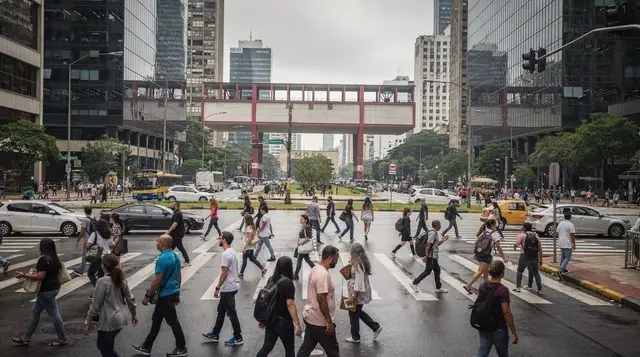
São Paulo doesn’t hand you a skyline photo or a beach to sit on, and that trips people up on their first day. There’s no Christ Redeemer moment here. What the city has instead is 21 million people’s worth of neighbourhoods, museums, food scenes and street art layered on top of each other, and the “best things to do” list looks less like a checklist of sights and more like a set of districts worth spending real time in. This guide covers the things that are actually worth your limited hours, organised the way you’ll experience them: by area and by type, with the honest caveats attached — including which listicle favourites aren’t worth the money or the detour.
That last point matters more here than in most cities. São Paulo has a well-developed tourist-facing layer — helicopter operators, favela tour vans, restaurants that exist purely to catch foot traffic on Avenida Paulista — sitting right alongside the genuinely good stuff, and the two aren’t always easy to tell apart from a listing site. This guide separates them out neighbourhood by neighbourhood, the way locals actually think about the city, rather than as a flat top-ten list.
| Where | Spread across sao-paulo — no single walkable core, plan by neighbourhood |
| Cost | Free (parks, street art, Paulista) to R$50–70 (~US$9–13) for museum entry |
| Time needed | 3–5 days to cover the highlights properly |
| Getting there | Metro Lines 1, 2, 3 and 4 cover most of what’s below |
| Best time | Weekday mornings for museums, weekends for street markets and Paulista |
Avenida Paulista and MASP, the obvious starting point
Most visits start here and that’s reasonable: Paulista is the closest thing São Paulo has to a civic spine, a two-and-a-half-kilometre avenue of banks, cultural centres and the raised concrete box of MASP, the Museu de Arte de São Paulo. The collection inside — Bosch, Rembrandt, Portinari — is genuinely one of the best in the southern hemisphere, and it’s free on Tuesdays, which is worth planning around if your dates allow it. On other days entry runs R$50–70 (~US$9–13). Full details, including how to skip the queue, are in the MASP guide.
MASP skip-the-line entrance with a guided tour is worth the small premium on weekends when the ground-floor queue backs up. On Sundays, several blocks of Paulista close to cars and fill with cyclists, skaters, street vendors and buskers — read the Avenida Paulista destination guide before you go so you know which end has the flea market (Praça do Ciclista) and which has the food trucks.
Centro Histórico, for one focused morning
The old downtown — Praça da Sé, the Theatro Municipal, Edifício Copan, the Farol Santander observation deck — has the densest concentration of historic and modernist architecture in the city, and it’s genuinely worth a half-day walk. It’s also a district that empties out fast after 6pm and on Sundays, so go in daylight and treat it as a morning activity rather than an evening one. The full walking route, including where the district turns unsafe after dark, is in the Centro Histórico guide.
A downtown historical bike tour covers more ground than walking will in the same amount of time, which matters here because the centre’s sights are spread over a couple of kilometres rather than clustered on one square.
Mercado Municipal, hungry or not
The Mercadão’s stained-glass ceiling and produce stalls are worth seeing even if you’re not there to eat, though most people are there to eat — specifically for the mortadella sandwich, a genuinely good if overpriced institution at the ground-floor lanchonetes. Climb to the mezzanine for a better view and a calmer lunch, and check prices before ordering at any of the fruit stalls near the entrance, since several are set up to overcharge tourists by the kilo. The Mercado Municipal guide breaks down exactly what to order and what to skip.
Ibirapuera Park, São Paulo’s green lungs
Ibirapuera is the city’s answer to Central Park — 1.6 square kilometres of lakes, running paths, Niemeyer-designed pavilions and, on weekends, thousands of paulistanos doing exactly what you’d expect in a big city park: running, picnicking, playing football, walking dogs. It’s free, it’s safe by day, and it’s an easy antidote to a couple of days of concrete and traffic. The planetarium and the Afro Brasil museum sit inside the park boundaries if you want a paid stop to break up the walk. See the Ibirapuera Park guide for the best entrances and a map of what’s where.
An Ibirapuera Park bike tour is a good option if you’re short on time and want to see the whole park rather than one corner of it.
Beco do Batman and street art in Vila Madalena
São Paulo has one of the world’s largest concentrations of street art, and Beco do Batman — a narrow alley in Vila Madalena covered floor to roofline in graffiti — is the most photographed example, though it’s also the most crowded on weekend afternoons. The wider point stands beyond that one alley: Vila Madalena and neighbouring Pinheiros have entire blocks of murals, and a guided tour tends to explain the difference between the tagging (pixação) and the commissioned murals in a way a solo walk won’t. The Beco do Batman guide and São Paulo street art guide cover both the alley and the wider scene.
A São Paulo street art tour takes you through Vila Madalena and Pinheiros with someone who can point out which artists are internationally known, which most visitors walking through on their own would miss entirely.
Liberdade, the largest Japanese community outside Japan
Liberdade grew from Japanese immigration in the early 20th century into the largest Japanese diaspora neighbourhood in the world, and it still shows in the red torii-style gates on the main street, the weekend street market around Praça da Liberdade, and a density of Japanese and pan-Asian restaurants unmatched anywhere else in the city. Saturday’s street market, with its mix of food stalls and craft vendors, is the best single visit; weekdays are much quieter. The Liberdade destination guide has the full walking route.
Pinheiros and Vila Madalena after dark
The same streets that hold the street art scene by day turn into São Paulo’s best-known nightlife district after sunset. Rua Aspicuelta and the blocks around it fill with bars spilling onto the pavement, and it’s one of the few areas in the city where walking between venues on foot, in a group, at night is genuinely normal rather than something you’d rather avoid. Thursdays and Fridays are busiest; Mondays and Tuesdays are noticeably quieter if you’d rather have a calmer evening.
Shopping, from bargain streets to Saturday markets
Rua 25 de Março, near Centro Histórico, is São Paulo’s dense bargain shopping district — fabric, electronics, party supplies, costume jewellery, all sold at volume and low margin, and worth a browse even if you don’t buy anything, purely for the sensory overload. For something calmer, the Saturday antiques and craft market at Praça Benedito Calixto in Pinheiros draws a mostly local crowd and includes a small but reliable choro and samba live-music corner in the afternoon.
Parks beyond Ibirapuera
Ibirapuera gets the attention, but it’s not the only green space worth a visit. Parque Villa-Lobos, on the west side near the river, is larger and quieter, popular with cyclists and less crowded with tourists. The São Paulo Botanical Garden, tucked against the Atlantic Forest remnant in the south of the city, is a genuinely different kind of outing — closer to a nature reserve than a city park, with trails through native forest a short walk from the entrance.
Museums beyond MASP
MASP gets the attention, but the Pinacoteca do Estado — a 19th-century building turned art museum, with a strong Brazilian modernist collection and a genuinely moving memorial to victims of Brazil’s military dictatorship — is arguably a deeper visit for less money and fewer crowds. It’s part of a strong wider museum scene that also includes the Museu do Futebol for football history and the Ipiranga museum after its recent restoration.
Football, taken seriously
São Paulo has four major clubs — Corinthians, Palmeiras, São Paulo FC and, an hour south in Santos, Santos FC — and going to a match is one of the most genuine cultural experiences in the city, provided you buy tickets through official channels rather than street touts. The Museum of Football, housed inside Estádio do Pacaembu, is a good introduction even for people not attending a live match. The full breakdown of tickets, stadiums and rivalries is in the football in São Paulo guide.
With kids, or on a rainy afternoon
São Paulo isn’t set up as a family destination the way a beach resort is, but it has real options if you’re travelling with children. The Catavento science museum, in a restored 1924 building downtown, is hands-on and genuinely engaging for kids from about six upward. Instituto Butantan, better known for its snake and spider research, has an accessible public museum wing that manages to be educational without being gruesome. And because São Paulo’s afternoon thunderstorms between December and March can shut down an outdoor plan with almost no warning, it’s worth having an indoor backup on hand for whichever day the weather turns.
Day trips, if you have a spare day
Everything above is inside the city, but São Paulo’s real advantage is what surrounds it. Santos and Guarujá, on the coast, are close enough for a genuine beach day without an overnight stay, and Campos do Jordão, in the mountains, feels almost alpine in July and August. Ranking the best options by distance and what each one is actually good for matters given how much traffic can eat into a day-trip schedule — always check the time of day you’ll be returning, since the drive back into the city during evening rush hour (5–8pm) can double a trip’s return leg.
What’s genuinely worth skipping
A few things get recommended by generic listicles and aren’t worth your time. Helicopter tours are sold hard around the city for 15 minutes of flight time at prices that don’t match the experience — see the honest breakdown in the helicopter tours guide before booking one. Favela tours run by operators with no real community connection are common and worth avoiding; the favela tours guide explains which operators actually put money back into the community and which don’t. And several restaurants directly on Avenida Paulista exist purely to catch foot traffic — walk two blocks off the avenue for better food at lower prices.
Comparing your options by time available
| Half a day | Full day | Two-plus days | |
|---|---|---|---|
| Priority | Paulista + MASP | Add Centro Histórico or Vila Madalena | Add Liberdade, Ibirapuera, a museum, football |
| Pace | Rushed but doable | Comfortable | Relaxed, room for a day trip |
| Best for | Layovers | First-time visitors | Anyone spending a real trip in the city |
Accessibility across these sights
São Paulo’s accessibility record is mixed, and it’s worth knowing which of the sights above genuinely work for visitors using a wheelchair or with limited mobility before you plan a day around them. MASP and the Pinacoteca are the strongest options — both have step-free entrances, lifts between floors, and accessible restrooms, and MASP’s raised concrete structure, unusual as it looks, was actually designed with a level plaza underneath that removes stairs entirely. Ibirapuera Park’s main paths are paved and largely flat, manageable in a manual chair with some effort, though the paths around the lakes can get busy and uneven near the entrances after rain.
Centro Histórico is the hardest of the areas above: older buildings with a couple of front steps are common, pavements are cracked and narrow in places, and the streets around Praça da Sé have real camber and kerbs without dropped edges. Beco do Batman is a narrow alley with a rough, sloped surface — manageable slowly, but not comfortable in a chair. The metro is a genuine asset here: most Line 1, 2 and 4 stations have lifts, though a handful of older Line 3 stations still rely on stairs only, so checking a specific station before relying on it is worth the two minutes. The accessible São Paulo guide covers station-by-station detail and goes well beyond what fits here.
How this compares to Rio, in hours and reais
It’s a fair question for anyone deciding how to split a Brazil trip: does São Paulo’s version of “things to do” actually stack up against Rio’s? Numerically, yes, though the shape is different. Rio’s headline sights — Christ the Redeemer, Sugarloaf, Copacabana — can be covered inside two focused days for around R$150–250 (~US$28–46) in combined entry and cable-car tickets. São Paulo’s equivalent list above takes closer to three or four days to do properly, but costs less per sight: MASP and the Pinacoteca together run under R$100 (~US$18), and the single biggest draw, Ibirapuera Park, is free. What São Paulo doesn’t have is Rio’s one-photo payoff; what it has instead is roughly twice the museum and food density for a similar or lower spend. The São Paulo vs Rio de Janeiro comparison runs the full numbers, including flight time between the two (about an hour), for anyone weighing a combined trip.
Frequently asked questions about things to do in São Paulo
What is São Paulo best known for?
Its size, its food scene, its museums (MASP and the Pinacoteca in particular), its street art, and its football culture. It’s not known for beaches or postcard landmarks — those are in Rio and along the coast, both reachable as day trips or longer excursions.
How many days do I need to see the main sights?
Three days covers Paulista, Centro Histórico, Vila Madalena and Ibirapuera comfortably. Add a fourth or fifth day for a museum beyond MASP, a football match, or a first day trip out of the city.
Is MASP free?
Yes, on Tuesdays. Other days run R$50–70 (~US$9–13), and skip-the-line tickets cost a small premium but save real time on weekends.
What’s the best neighbourhood to start in?
Jardins or Avenida Paulista for first-timers — central, safe, well connected by metro. The where to stay in São Paulo guide covers the trade-offs between neighbourhoods.
Are the free things to do worth prioritising over paid attractions?
Yes, several of the best experiences — Ibirapuera Park, Beco do Batman, Sunday on Paulista — cost nothing. See the free things to do in São Paulo guide for the full list.
Is it safe to walk between these sights?
By day, generally yes, on the routes described in each linked guide. After dark, take a rideshare rather than walking, especially around Centro Histórico and Praça da Sé.
Can I do all of this without a car?
Yes — metro and rideshares cover everything on this list, and driving in the city is rarely worth the trouble given the traffic.
What should I skip if I only have one day?
Football matches and day trips to the coast or mountains — both need a dedicated day. Focus a single day on Paulista, MASP and Centro Histórico instead; see São Paulo in one day for a full hour-by-hour plan.
Fitting this into your trip
A three-day trip covers the core list above comfortably — see the three days in São Paulo itinerary for a day-by-day plan. With five days, add Liberdade, a museum beyond MASP and either a football match or a first day trip to the coast, laid out in the five days in São Paulo and around itinerary. A full week lets you add Campos do Jordão or the coast without rushing the city itself — the seven days in São Paulo and the coast itinerary covers that pacing in detail.
São Paulo city highlights on GetYourGuide
Verified deep-linked GetYourGuide tours. Book through these links and we earn a small commission at no cost to you.
These are our own photographs of São Paulo, not the operator's pictures of this tour — open the tour page to see those.