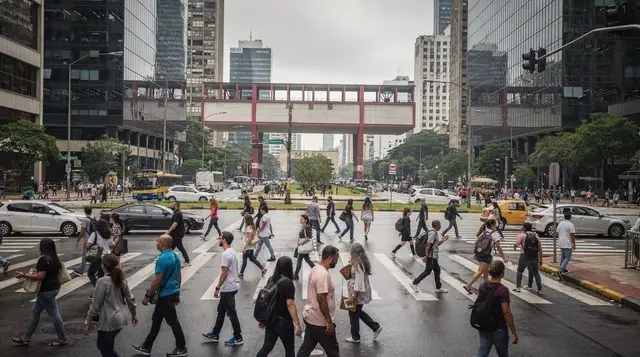
São Paulo in one day
What's the best way to see São Paulo in one day?
Start early on Avenida Paulista and MASP, move to Centro Histórico by mid-morning for the Farol Santander and Theatro Municipal, eat at Mercado Municipal for lunch, then spend the afternoon in Vila Madalena or Ibirapuera Park depending on your interest. A private half-day tour covers the core route efficiently if your time is genuinely tight.
One day in São Paulo is not enough to see the city properly, and it’s worth saying that plainly before laying out a plan — this is triage, not a tour. But a well-sequenced day still covers a genuine cross-section: the modern civic spine of Avenida Paulista, the historic density of Centro Histórico, and a taste of the neighbourhood life that makes São Paulo worth a longer trip. The route below is built around actual travel times, not theoretical ones, because a single miscalculated cross-town trip during rush hour can eat the whole afternoon.
This plan assumes you’re staying somewhere reasonably central — Jardins, Paulista or nearby — since starting from a hotel further out adds time you don’t have. If you’re arriving specifically for a layover or a single free day between business meetings, read the layover section below before committing to the full route, since the timing works differently once an airport transfer is part of the equation.
| Where | Avenida Paulista to Centro Histórico, with an optional Vila Madalena add-on |
| Cost | R$150-250 (~US$27-45) for entries, lunch and transport |
| Time needed | A full day, 9am to 8pm realistically |
| Getting there | Metro Lines 2-Green, 3-Red and 1-Blue cover the whole route |
| Best time | Weekdays — many sights close or run reduced hours on Sundays |
Start on Avenida Paulista, early
Begin at Avenida Paulista by 9am, before both the heat and the crowds build. MASP, the raised concrete-and-glass museum building that anchors the avenue, opens at 10am (except Tuesdays, when it opens at 11am but is free) — arrive at opening if you can, since the ground-floor queue lengthens fast on weekends. A skip-the-line MASP tour is worth the small premium if your morning window is tight, since it removes the one variable most likely to derail a one-day schedule. Budget 60-90 minutes inside. The MASP guide covers what’s worth prioritising in the collection if you don’t have time to see everything.
Afterward, walk the avenue itself for 20-30 minutes — the Casa das Rosas mansion, Parque Trianon’s small patch of Atlantic Forest, and the general street life are worth a look even without stopping anywhere specific. The Avenida Paulista destination guide has the full walking route.
Mid-morning: Centro Histórico
From Paulista, take the metro (Line 2-Green to Line 3-Red, or a 15-20 minute rideshare depending on traffic) to Centro Histórico, aiming to arrive by 11am. This district thins out fast after lunch and on weekends, so treat the late-morning window as your best shot at it. A downtown walking tour with Farol Santander entry is an efficient way to cover the Pateo do Collegio, Praça da Sé, and the observation deck in one guided pass rather than working it out street by street. The Centro Histórico guide has the self-guided version if you’d rather walk it alone.
Don’t skip the Theatro Municipal’s plaza and Vale do Anhangabaú on the way through — both sit between Praça da Sé and the Copan building and add only 15-20 minutes to the route.
Lunch at Mercado Municipal
By 12:30-1pm, head to the Mercadão, a 10-15 minute walk or short rideshare from Centro Histórico’s core. The mortadella sandwich at the ground-floor lanchonetes is the famous order — genuinely good, priced for visitors rather than locals, and worth doing once. Climb to the mezzanine for a calmer view over the market, and check prices before buying fruit near the entrance, where some stalls charge well above what locals pay. Budget 45-60 minutes here; the Mercado Municipal guide has the specific stalls worth seeking out and the ones to skip.
Early afternoon: choose your direction
This is the fork in a one-day itinerary, and the right choice depends on what you actually want from the day. If street art and neighbourhood atmosphere matter more, take a 20-30 minute rideshare to Vila Madalena and Beco do Batman — plan for traffic if it’s after 3pm, since the trip can stretch toward 45 minutes. If green space and a break from concrete matter more, Ibirapuera Park is a similar distance in the opposite direction and gives a very different, calmer second half of the day. Both are covered in the things to do in São Paulo guide if you want the fuller picture before deciding.
| Vila Madalena route | Ibirapuera route | |
|---|---|---|
| Best for | Street art, bars, photography | Parks, a slower pace, Niemeyer architecture |
| Time from Mercadão | 25-45 min by rideshare depending on traffic | 20-35 min by rideshare |
| Evening options | Dinner and drinks on-site | Dinner in nearby Moema or Itaim Bibi |
| Good for | First-time visitors wanting the classic scene | Anyone who’s had enough walking on concrete |
Evening
Wherever you end up, plan an early-ish dinner — 7-8pm rather than the later Brazilian norm — if you’re catching a flight or simply want to avoid an exhausting late night after a packed day. Vila Madalena has the highest density of good casual restaurants and bars if you went that direction; Moema and Itaim Bibi cover the Ibirapuera side well. The where to eat in São Paulo guide has specific picks near both. By this point you’ll have covered somewhere between eight and twelve kilometres of walking and transit, so factor in a genuine sit-down meal rather than another quick stop — the day rewards ending it deliberately rather than trying to squeeze in one more sight.
If you’re on a layover rather than a real day
A GRU layover changes the math significantly, since the airport sits about 40km from the centre and traffic can eat an hour each way. If your layover is under eight hours, don’t attempt the full route above — a layover private tour from GRU airport is built specifically around this constraint and typically covers Paulista and a compressed Centro Histórico visit within a safe return window. The São Paulo layover guide has the full time-budget breakdown by layover length.
Getting between the stops without losing time
The route above works because Paulista and Centro Histórico both sit on São Paulo’s metro network, which is the one part of the city genuinely faster than driving during the day. Line 2-Green runs through Paulista’s Consolação and Trianon-MASP stations, and connects at Ana Rosa or Paraíso to Line 1-Blue, which reaches Sé in Centro Histórico directly. A single Bilhete Único fare costs R$5.20 (~US$1) and covers each leg. Rideshares make sense for the fork after lunch, since neither Vila Madalena nor Ibirapuera sit directly on the same line as Centro Histórico, but check the estimated time before booking — a ride that shows 15 minutes at 11am can show 35 at 4pm. The getting around São Paulo guide and São Paulo metro guide cover the full network if you want to adapt this route.
What this route deliberately leaves out
A single day forces real cuts, and it’s worth knowing what you’re skipping rather than discovering it by accident. Liberdade, São Paulo’s Japanese immigrant neighbourhood, doesn’t make the cut here because it sits far enough from both Paulista and Centro Histórico to require its own half-day; the Liberdade guide covers it as a separate outing. Football matches, day trips to the coast or Campos do Jordão, and a proper museum crawl beyond MASP all need dedicated days of their own — trying to force any of them into this itinerary is the fastest way to run the whole day late. If one of those is your priority, it’s worth building your day around it directly rather than adapting this route.
Doing it with a guide versus alone
A classic half-day private sightseeing tour is the most efficient way to cover Paulista and Centro Histórico if your day is genuinely tight, since a private guide with a driver removes the metro-versus-traffic decision-making that eats time on a self-guided route. Going alone by metro is cheaper and lets you linger where you want, but only works if you’re comfortable navigating and keep strictly to the timing above.
Adjusting the plan for a late start
Not everyone can be on Paulista by 9am — jet lag, a late flight in the night before, or simply not being a morning person all push the realistic start later. If you’re beginning closer to 11am, cut the Vale do Anhangabaú stroll and go straight from MASP to Mercado Municipal for a slightly earlier lunch, then treat Centro Histórico as a 45-minute focused pass on Praça da Sé and the Farol Santander rather than the fuller version. This compressed version still gets you the three highest-value stops — MASP, Mercadão, and one Centro Histórico landmark — without pushing dinner past 9pm. It sacrifices the afternoon fork almost entirely, so pick Vila Madalena or Ibirapuera in advance rather than deciding on the day, and treat whichever one you choose as a shorter, 90-minute visit rather than a full afternoon.
Weekday versus weekend timing
This route works noticeably better on a weekday than a weekend, and it’s worth knowing why before you commit to a Saturday version. Centro Histórico empties out on Sundays — many of the small shops and some cafés close, and the district feels emptier and less interesting than on a weekday morning. MASP’s queue, on the other hand, is worst on Saturday and Sunday afternoons, which pushes even harder toward an early start if your only available day is a weekend. Mercado Municipal stays busy every day of the week, so that stop holds up regardless. If you have any flexibility in your dates, a Tuesday gets you free MASP entry on top of the quieter Centro Histórico crowds — the single best day of the week to run this exact itinerary.
A concrete rush-hour scenario, and why it matters for this route
Here’s the kind of miscalculation that wrecks a tight one-day schedule: a rideshare from Mercado Municipal to Vila Madalena shows 22 minutes when you check it at 11am while planning the day, so you build the afternoon fork around that number. But if lunch runs long and you don’t actually leave until 4:30pm, squarely inside the 17:00-20:00 evening rush window, that same trip can take 45 minutes or more as the Marginal Pinheiros and the streets feeding into it clog with the daily commute.
The fix isn’t complicated — check the live estimate again right before you book the ride rather than trusting a number from earlier in the day, and treat anything booked between 4pm and 7pm as running at least 1.5 times its off-peak estimate. The same logic applies in reverse for an early start: a 9am departure from a Jardins hotel to Paulista can also run slower than expected if it overlaps with the 7-10am morning commute, though Paulista’s own proximity to most central hotels makes this less punishing than the wider afternoon cross-town trip to Vila Madalena or Ibirapuera.
Doing this route with limited mobility
The plan above assumes a reasonable amount of walking and standing across a full day — realistically 8-12km including transit connections — which isn’t automatically workable for every visitor. If mobility is a concern, the single biggest adjustment is swapping metro connections for door-to-door rideshares at each leg, which removes station stairs and platform walking distances at the cost of more exposure to traffic timing.
MASP itself is fully accessible with lift access to all floors, and Centro Histórico’s Praça da Sé and the Theatro Municipal plaza are flat, open spaces reachable without stairs, though the Farol Santander observation deck and some of the district’s narrower historic streets are less consistently accessible. A private half-day tour with a driver removes most of this friction in one move, since it eliminates station transfers entirely and lets you set the walking pace at each stop. See the accessible São Paulo guide for the fuller picture before committing to this specific route.
Mistakes that blow up a one-day plan
Doing this route solo
Solo travellers generally have an easier time with this itinerary than families or larger groups, since there’s no group consensus needed at the early-afternoon fork between Vila Madalena and Ibirapuera, and moving through MASP or Centro Histórico alone is faster than coordinating a group’s pace. The main adjustment worth making solo is being more deliberate about the after-dark transition — switch to a rideshare rather than walking once the sun sets, particularly around Centro Histórico and Praça da Sé, and keep the phone in a pocket rather than out for photos in busy transit areas. A solo traveller with a tight layover window benefits especially from the guided option, since a driver removes the need to make transit decisions alone while jet-lagged. See the solo travel in São Paulo guide for the broader picture beyond this one-day route.
This route in summer versus winter
The plan above works year-round, but the experience shifts noticeably with the season. December through March, the walk along Avenida Paulista and through Centro Histórico gets genuinely hot and humid by midday, and the mid-afternoon storm window (roughly 3-6pm) can force the Vila Madalena-or-Ibirapuera fork indoors or under cover with little warning — build in a five-minute radar check before committing to either direction. June through August, the same route is markedly more comfortable for walking, with cooler, drier air and a lower chance of a storm disrupting the schedule, though early mornings can be genuinely chilly by São Paulo standards, cool enough that a light jacket at a 9am Paulista start is worth packing rather than assuming Brazil means warm at all hours. The best time to visit São Paulo guide has the fuller month-by-month breakdown if you’re choosing dates around this itinerary rather than working around a fixed trip.
Frequently asked questions about spending one day in São Paulo
Is one day enough to get a real sense of São Paulo?
It’s enough for a solid orientation — Paulista, MASP, Centro Histórico and one neighbourhood — but not enough to understand the city properly. Most visitors who do a one-day version end up wanting to come back with more time.
Should I book a guided tour or go it alone for a single day?
A guided tour is worth it if your day is tight or you’re jet-lagged and don’t want to make transit decisions. Going alone by metro works well if you’re comfortable navigating and stick to the timing above.
What if it rains?
São Paulo’s afternoon storms (worst December-March) can derail an outdoor-heavy day fast. MASP, the Pinacoteca and the Mercadão are all good indoor fallbacks; see the what to do in São Paulo when it rains guide for a full rainy-day version of this plan.
Can I fit in a football match in one day?
Only if the timing lines up with a home match and you’re willing to build the whole day around it — matches typically need a half-day commitment on their own. See the football in São Paulo guide before trying to combine it with sightseeing.
Is it safe to do this route alone?
Yes, by day, on the specific route described here. Keep your phone in a pocket rather than out on the street in Centro Histórico and Praça da Sé, and switch to a rideshare rather than walking once it gets dark. The is São Paulo safe guide has the full picture.
What should I skip if I’m running behind schedule?
Cut the Vale do Anhangabaú stroll before cutting Mercado Municipal or MASP — those two are the highest-value stops on the route and the park detour is the easiest to drop.
How much should I budget for the day?
R$150-250 (~US$27-45) covers museum entry, lunch, and metro or rideshare fares for one person, before any guided tour cost. The how much does São Paulo cost guide breaks this down further.
Is it better to go clockwise or counter-clockwise around this route?
As written — Paulista first, then Centro Histórico, then the afternoon fork — because it follows the metro line naturally and puts the district that closes earliest (Centro Histórico) in the middle of the day rather than at the end, when you’d risk arriving after it’s already quiet.
Can I do this itinerary with kids?
It’s a lot of walking and transit for young children in one day. If you’re travelling with kids, the São Paulo with kids guide has a gentler version built around shorter stops and more breaks.
If you can stretch it to more than one day
A single day is a compressed version of a much better three-day trip — the three days in São Paulo itinerary spreads this exact route across a more comfortable pace and adds Vila Madalena and Ibirapuera without forcing a choice between them. With five days, per the five days in São Paulo and around itinerary, you can add a day trip to the coast or the mountains. If you’re specifically working with a single 24-hour window rather than choosing to keep it short, the one day in São Paulo itinerary gives an alternative structure built around the same constraints.
São Paulo city highlights on GetYourGuide
Verified deep-linked GetYourGuide tours. Book through these links and we earn a small commission at no cost to you.
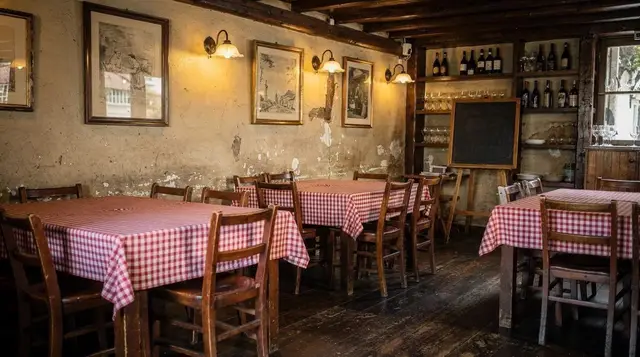
These are our own photographs of São Paulo, not the operator's pictures of this tour — open the tour page to see those.