Where to eat feijoada in São Paulo
Where and when should I eat feijoada in São Paulo?
Saturday lunch is the traditional time — many of the best versions are only served that day. Look for traditional Brazilian restaurants rather than hotel buffets, expect to pay R$60-120 per person, and go hungry: it's a heavy, multi-component meal meant to be lingered over for hours, not rushed through.
Feijoada is Brazil’s national dish — a slow-cooked black bean and pork stew served with rice, collard greens, orange slices and farofa (toasted cassava flour) — and in São Paulo it carries a specific tradition beyond just being a well-known recipe: it’s a Saturday lunch ritual, historically tied to a leisurely, hours-long weekend meal rather than a quick weekday dinner. Getting it right means understanding both the dish itself and the timing around it, since showing up on a Tuesday evening expecting the full traditional version can leave you disappointed. This guide covers what’s actually in a proper feijoada, where to find good versions, and how to order it if it’s your first time.
| Traditional timing | Saturday lunch |
| Cost | R$60-120 (~US$12-24) per person at a sit-down restaurant |
| Time needed | 1.5-2.5 hours — it’s a lingering meal, not a quick one |
| Getting there | Neighbourhood-dependent; traditional restaurants spread across the city |
| Best time | Arrive by early-to-mid afternoon; many restaurants wind down feijoada service by late afternoon |
What’s actually in a proper feijoada
At its base, feijoada is black beans slow-cooked with a range of pork cuts — commonly including sausage, ribs, and cured or smoked cuts like pork ear or trotter in more traditional versions, though many restaurants now offer lighter versions with more conventional cuts for visitors unfamiliar with the fuller traditional range. It’s served with white rice, couve (thinly sliced sautéed collard greens), farofa, and orange slices, which aren’t just garnish — the citrus is traditionally understood to help digest the heavy, fatty stew. A proper feijoada is a build-your-own-plate affair: you combine beans, rice, greens and farofa in whatever ratio you prefer, and most traditional restaurants serve it in generous, shareable portions rather than individually plated servings. a Brazilian cooking class covering nine recipes is a good way to understand each component in depth if you want to actually learn to make it rather than just order it once.
Why Saturday matters
The Saturday-lunch tradition dates back generations and is taken seriously enough that many of the city’s best-regarded feijoada restaurants only run their full traditional menu on that specific day, reserving a lighter or different weekday menu for the rest of the week. This isn’t an arbitrary quirk — it reflects the dish’s origins as a labour-intensive, slow-cooked meal suited to a day when people have time to sit, eat slowly, and often nap afterward, rather than return to work. If feijoada is a priority for your trip, it’s worth checking your itinerary for a Saturday and building a leisurely lunch around it rather than trying to squeeze in a rushed weekday version and missing the full traditional experience.
Traditional restaurants versus hotel buffets
Most hotels and some tourist-oriented restaurants offer a feijoada option on their regular menu or weekend buffet, and while convenient, these versions are frequently a simplified, less carefully made take on the dish compared with restaurants that specialise in traditional Brazilian home-style cooking. If feijoada is genuinely important to your trip, seek out a dedicated Brazilian restaurant with a strong local reputation for the dish specifically, rather than defaulting to whatever’s on your hotel’s Saturday buffet. a São Paulo food tour covering the flavors of Brazil often includes a proper feijoada stop as part of a broader introduction to Brazilian cuisine, which is a reliable way to get a well-regarded version without needing to research restaurants yourself.
| Traditional restaurant | Hotel buffet | |
|---|---|---|
| Authenticity | Higher, often family recipes | Variable, often simplified |
| Availability | Usually Saturday-only for the full version | Often available daily or weekly |
| Price | R$60-120 per person | Varies, sometimes bundled into buffet pricing |
| Atmosphere | Local, unhurried | Convenient but less distinctive |
How to order and eat it
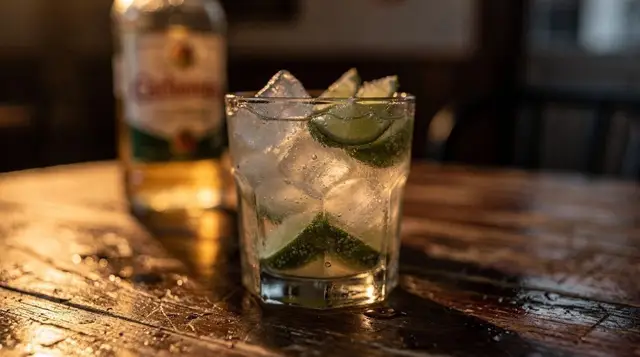
If it’s your first time, start with modest portions of each component and build your plate gradually — the beans and pork are rich and filling, and it’s easy to over-serve yourself before you’ve tasted the full range of accompaniments. Caipirinha, Brazil’s cachaça-based cocktail, is the traditional pairing, and many restaurants include a round as part of a set feijoada menu — see the cachaça and caipirinha guide for what to expect. Farofa is meant to be sprinkled over the beans and rice rather than eaten as a standalone side, and orange slices are traditionally eaten alongside the stew rather than saved for dessert. Don’t rush — this is a meal built around lingering, often stretching well past two hours at a proper traditional lunch, especially with a group.
Where feijoada fits in São Paulo’s food geography
Because feijoada is a national dish rather than a São Paulo-specific invention, it doesn’t have a single defining neighbourhood the way pizza has Bixiga or Japanese food has Liberdade — good versions are spread across the city, from traditional botecos serving a simplified daily plate to dedicated Brazilian restaurants running the full Saturday ritual. That said, some of the more highly regarded traditional versions cluster in central and older residential neighbourhoods, where longer-established, family-run restaurants have kept the Saturday tradition alive across generations rather than adapting fully to a tourist-driven daily schedule. See the where to eat in São Paulo guide for the neighbourhood-by-neighbourhood picture, and the boteco culture guide for the more casual, everyday version of Brazilian home-style cooking that feijoada is part of.
A brief history of the dish
Feijoada’s exact origins are debated — the popular story that it developed from enslaved people using discarded pork cuts has been increasingly questioned by food historians, who note that similar bean-and-meat stews existed in Portugal and other parts of Europe well before Brazilian colonisation, suggesting a more complex Portuguese-Brazilian culinary blending rather than a single origin story. What’s not in dispute is the dish’s role in modern Brazilian identity: it’s served at national celebrations, referenced constantly in popular culture, and treated as close to an unofficial national dish alongside churrasco. Understanding this contested history is worth knowing before you eat it — it’s a dish that carries real cultural weight in Brazil, not just culinary interest, and the Saturday ritual around it in São Paulo specifically reflects decades of urban working patterns as much as any single origin myth.
Vegetarian and lighter alternatives
Traditional feijoada is unavoidably meat-heavy, but some contemporary restaurants, particularly in Pinheiros and Vila Madalena, now offer vegetarian versions built around the same bean base without the pork — a reasonable option if dietary restrictions rule out the traditional dish but you still want the flavour profile. See the vegetarian and vegan São Paulo guide for specifics. If the dish’s richness is a concern rather than its meat content, ordering smaller portions and pacing the meal with plenty of water (or the traditional caipirinha, in moderation) helps more than skipping the meal’s heavier components entirely.
Pairing feijoada with the rest of a Saturday
Because a proper feijoada lunch runs long and leaves most people wanting a slow afternoon rather than more sightseeing, it pairs naturally with a low-key Saturday itinerary rather than a packed one. Consider building your feijoada lunch around a visit to the Praça Benedito Calixto Saturday market, which runs the same day and offers a relaxed antiques-and-food browse either before or after your meal, or simply plan a quieter museum or park visit for later in the afternoon once the meal has settled. The how to spend a Sunday in São Paulo piece, while framed around the following day, gives a useful sense of the city’s slower weekend pace that a Saturday feijoada lunch fits naturally into.
Feijoada across Brazil’s regions
While this guide focuses on São Paulo specifically, it’s worth knowing that feijoada varies meaningfully by region across the country, and São Paulo’s version sits within a specific, recognisable tradition rather than being the only way the dish is made. Rio de Janeiro’s feijoada, often considered the most internationally famous version, tends to hew closely to the same Saturday-lunch, full-cut ritual described here, and the two cities’ traditions share more similarities than differences. Minas Gerais and the interior of the country sometimes lean toward a slightly different balance of cuts and a thicker, less liquid bean preparation, reflecting the state’s own strong pork-and-bean culinary tradition independent of the coastal cities’ version.
Bahia and the northeast incorporate their own regional touches, occasionally including dendê palm oil or other ingredients tied to Afro-Brazilian culinary tradition in the northeast specifically, a meaningfully different flavour profile from the more European-leaning versions further south. None of this makes São Paulo’s version lesser or more authentic than any other — it simply reflects how a genuinely national dish adapts to regional ingredient availability and culinary history as it moves across a country the size of a continent.
How feijoada relates to Portuguese and European bean stews
The debated origin story touched on earlier deserves a bit more context. Portugal’s own feijoada tradition, along with French cassoulet and various central European bean-and-meat stews, share a genuine family resemblance with the Brazilian dish — slow-cooked legumes with preserved or cured meat, built as a hearty, filling meal from ingredients that kept well without refrigeration.
Food historians increasingly favour an explanation where Portuguese colonial-era cooking traditions blended with ingredients and techniques available in colonial Brazil, evolving over generations into something distinctly Brazilian rather than a direct transplant from Europe or a dish invented wholesale on Brazilian soil. This blended-origin framing matters because it positions feijoada as a genuine product of Brazil’s colonial and immigrant history broadly, similar in spirit to how the city’s pizza tradition (covered in the São Paulo pizza history piece) reflects Italian immigration reshaped by local conditions rather than a straight import.
Common mistakes first-time feijoada diners make
A handful of avoidable missteps come up often. Ordering feijoada as a light lunch before an active afternoon of sightseeing is probably the biggest one — this is a genuinely heavy meal, and pairing it with a museum-heavy afternoon immediately afterward tends to leave visitors sluggish and uncomfortable rather than energised. Assuming the meat components are optional garnish rather than central to the dish is another common misunderstanding, particularly among visitors expecting something closer to a simple bean soup. Overloading a first plate with every component available, rather than starting modestly and returning for seconds once you’ve tasted the balance, routinely leads to an overfull plate abandoned half-finished. And skipping the orange slices, assuming they’re purely decorative, means missing a genuinely functional part of the traditional meal, included specifically to help cut through the dish’s richness.
Building a plate: a concrete walkthrough
For a first-timer unsure how to actually assemble a feijoada plate, a reasonable approach looks like this: start with a modest base of rice, spoon a moderate portion of the bean-and-meat stew over it rather than beside it, add a smaller portion of couve on the side rather than mixed in, sprinkle a light dusting of farofa over the top just before eating rather than drowning the plate in it, and set two or three orange slices on the plate’s edge to eat between bites of the richer stew. This isn’t a rigid rule — plenty of regular diners build their plate differently — but it’s a sensible default for a first attempt that avoids the common mistake of over-serving farofa, which can overwhelm the dish’s flavour if piled on too generously before you’ve had a chance to taste the stew on its own.
Beyond caipirinha: other drink pairings worth trying
While caipirinha remains the traditional pairing, it’s not the only reasonable option, and some restaurants now offer alternatives worth considering. A cold Brazilian pilsner-style beer is a common, less sweet alternative that cuts through the dish’s richness in a different way than the cachaça-based cocktail. For visitors who’d rather skip alcohol at a midday meal, a glass of fresh guaraná soda or a chilled fruit juice works as a refreshing, non-alcoholic counterpoint to the stew’s heaviness. Some of the city’s more ambitious restaurants, particularly those covered in the São Paulo fine dining guide, have started pairing elevated feijoada preparations with Brazilian wine rather than the traditional caipirinha, a genuinely interesting if less traditional option worth asking about if you’re at a restaurant serving a more contemporary take on the dish.
Frequently asked questions about feijoada in São Paulo
Why is feijoada traditionally eaten on Saturday?
It reflects the dish’s origins as a slow, labour-intensive meal suited to a day with time to linger — many traditional restaurants still only serve the full version on Saturdays as a result.
What’s actually in feijoada?
Black beans slow-cooked with various pork cuts, served with rice, sautéed collard greens (couve), farofa (toasted cassava flour) and orange slices.
Is feijoada very spicy?
No — it’s rich and savoury rather than spicy. Hot sauce is often available on the side for anyone who wants extra heat, but the base dish itself isn’t spicy.
How much does feijoada cost in São Paulo?
Roughly R$60-120 per person at a traditional sit-down restaurant, often served in generous, shareable portions.
Is there a vegetarian version?
Some contemporary restaurants offer a bean-based vegetarian feijoada without pork, though it’s a variation on the traditional dish rather than the classic version.
What should I drink with feijoada?
Caipirinha is the traditional pairing, often included as part of a set feijoada menu at restaurants that serve the dish regularly.
How long does a feijoada lunch typically take?
1.5 to 2.5 hours is normal for a proper traditional lunch — it’s meant to be a lingering, unhurried meal rather than a quick sit-down.
Fitting feijoada into your trip
If your trip includes a Saturday, build at least one leisurely lunch around feijoada rather than squeezing it between other activities — it doesn’t work well as a rushed meal. On a three-day itinerary or longer, check which day of your trip falls on a Saturday and plan a lighter afternoon around it, since a proper feijoada lunch can reasonably take up most of the early afternoon. See the food lover’s São Paulo itinerary for how it fits into a broader multi-day food-focused trip, and the São Paulo food guide for how feijoada fits alongside the city’s other essential dishes.
São Paulo food & drink tours on GetYourGuide
Verified deep-linked GetYourGuide tours. Book through these links and we earn a small commission at no cost to you.
These are our own photographs of São Paulo, not the operator's pictures of this tour — open the tour page to see those.